Introduction
In the ever-evolving landscape of financial technology, Artificial Intelligence (AI) has emerged as a game-changer in various domains. One significant area where AI is making a profound impact is credit scoring. Traditional credit scoring models, while effective, often rely on historical data and may not capture the dynamic nature of an individual’s financial situation. In this article, we delve into the world of AI-based credit scoring, exploring its benefits, challenges, and the transformative potential it holds for the financial industry.
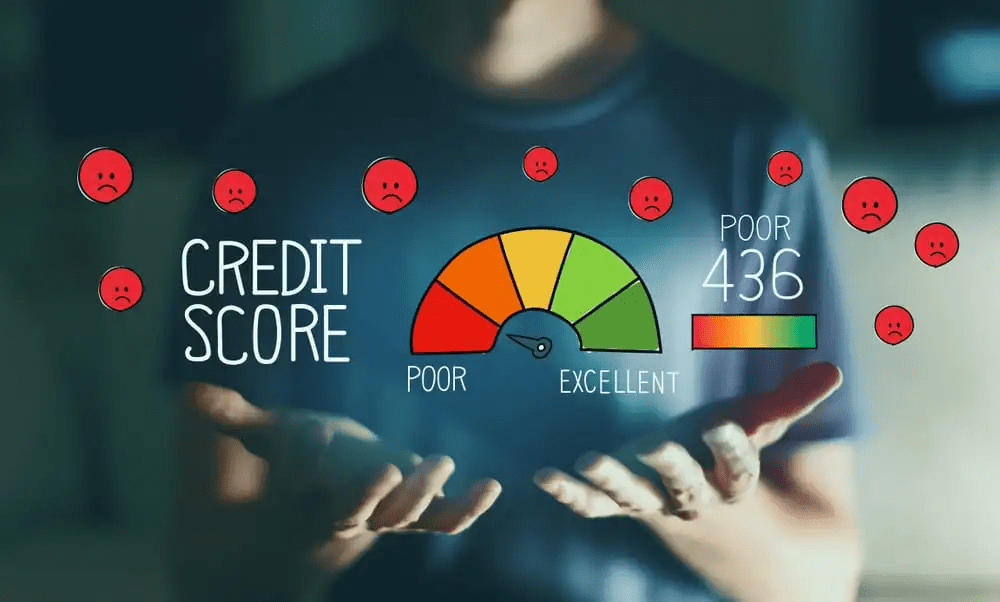
Understanding AI in Credit Scoring
- The Essence of AI in Credit Scoring AI in credit scoring involves leveraging machine learning algorithms to analyze a vast array of data points, providing a more comprehensive and accurate assessment of an individual’s creditworthiness. Unlike traditional methods, AI can process large datasets in real-time, enabling a more dynamic and responsive evaluation.
- Components of AI-Based Credit Scoring
- a. Machine Learning Algorithms Machine learning algorithms play a pivotal role in AI-based credit scoring. These algorithms analyze historical financial data, identify patterns, and make predictions about an individual’s future credit behavior. Common algorithms include decision trees, neural networks, and ensemble methods.
- b. Alternative Data Sources AI credit scoring incorporates a diverse range of data sources beyond traditional credit reports. This may include social media activity, utility bill payments, and even smartphone usage patterns. By considering these unconventional data points, AI models aim to provide a more holistic view of an individual’s financial habits.
Benefits of AI-Based Credit Scoring
- Enhanced Accuracy and Predictability AI models excel in recognizing patterns and trends, leading to more accurate predictions of creditworthiness. By assessing a broader spectrum of data, these models can identify subtle correlations that traditional methods might overlook, resulting in more reliable credit scores.
- Real-Time Decision-Making Traditional credit scoring models often rely on static snapshots of an individual’s financial history. AI, on the other hand, can analyze data in real-time, allowing for instantaneous updates to credit scores. This real-time capability is particularly advantageous in dynamic financial scenarios.
- Inclusion of Unbanked and Underbanked Individuals One of the significant advantages of AI-based credit scoring is its ability to incorporate alternative data sources. This inclusivity allows individuals with limited or no traditional credit history to be evaluated based on a broader set of criteria, fostering financial inclusion.
Challenges in Implementing AI-Based Credit Scoring
- Interpretability and Transparency One of the primary challenges in AI-based credit scoring is the black-box nature of some machine learning models. Understanding how these models arrive at a specific credit score can be challenging, leading to concerns about transparency and accountability.
- Data Privacy and Security Concerns As AI systems rely on a vast amount of data, ensuring the privacy and security of this information is crucial. Striking the right balance between collecting sufficient data for accurate predictions and respecting individual privacy rights is an ongoing challenge for the industry.
- Bias and Fairness AI models can inadvertently perpetuate or even exacerbate existing biases present in historical data. If historical data includes biases related to race, gender, or socioeconomic factors, AI models may unintentionally perpetuate these biases, leading to unfair credit assessments.
The Future of AI Credit Scoring
- Explainable AI for Transparency To address concerns about interpretability, researchers and developers are actively working on creating more explainable AI models. This involves designing algorithms that can provide clear explanations for their decisions, giving consumers and regulators greater insight into the credit scoring process.
- Ethical AI Practices As the financial industry embraces AI, there is a growing emphasis on incorporating ethical considerations into the development and deployment of these technologies. Ensuring fairness, transparency, and accountability in AI-based credit scoring is essential for building trust among consumers and regulatory bodies.
- Collaboration between Fintech and Traditional Institutions The successful integration of AI into credit scoring requires collaboration between innovative fintech companies and established financial institutions. By combining the agility of fintech startups with the regulatory expertise of traditional banks, the industry can create a balanced and effective approach to AI-based credit assessment.
Conclusion
AI-based credit scoring represents a significant leap forward in the financial industry’s ability to assess individual creditworthiness. While challenges such as interpretability, data privacy, and bias persist, ongoing research and development efforts are actively addressing these concerns. The future holds promise for a more inclusive, accurate, and dynamic credit scoring system that leverages the power of AI to benefit both consumers and financial institutions alike. As the industry continues to evolve, the collaborative efforts of fintech innovators and traditional financial institutions will play a crucial role in shaping the future of AI in credit scoring.
 FinTech blogs
Leave a comment