Introduction:
In recent years, Artificial Intelligence (AI) has emerged as a transformative force in the manufacturing sector, revolutionizing traditional processes and paving the way for unprecedented efficiency and innovation. From predictive maintenance to smart production lines, AI technologies are reshaping the landscape of manufacturing. This article explores the key technologies and techniques that are unleashing AI’s potential in manufacturing.
- Predictive Maintenance:
One of the most impactful applications of AI in manufacturing is predictive maintenance. Traditional maintenance practices are often reactive, leading to costly downtime and unexpected breakdowns. AI-driven predictive maintenance, on the other hand, leverages machine learning algorithms to analyze historical data and predict when equipment is likely to fail. By identifying potential issues before they escalate, manufacturers can schedule maintenance activities strategically, minimizing downtime and reducing operational costs.
- Computer Vision:
Computer vision is a technology that enables machines to interpret and make decisions based on visual data. In manufacturing, computer vision systems can enhance quality control, streamline inspection processes, and improve overall production efficiency. These systems can identify defects, measure dimensions, and ensure products meet quality standards. Integrating computer vision into manufacturing operations not only enhances accuracy but also accelerates the inspection process, leading to increased throughput.
- Robotics and Automation:
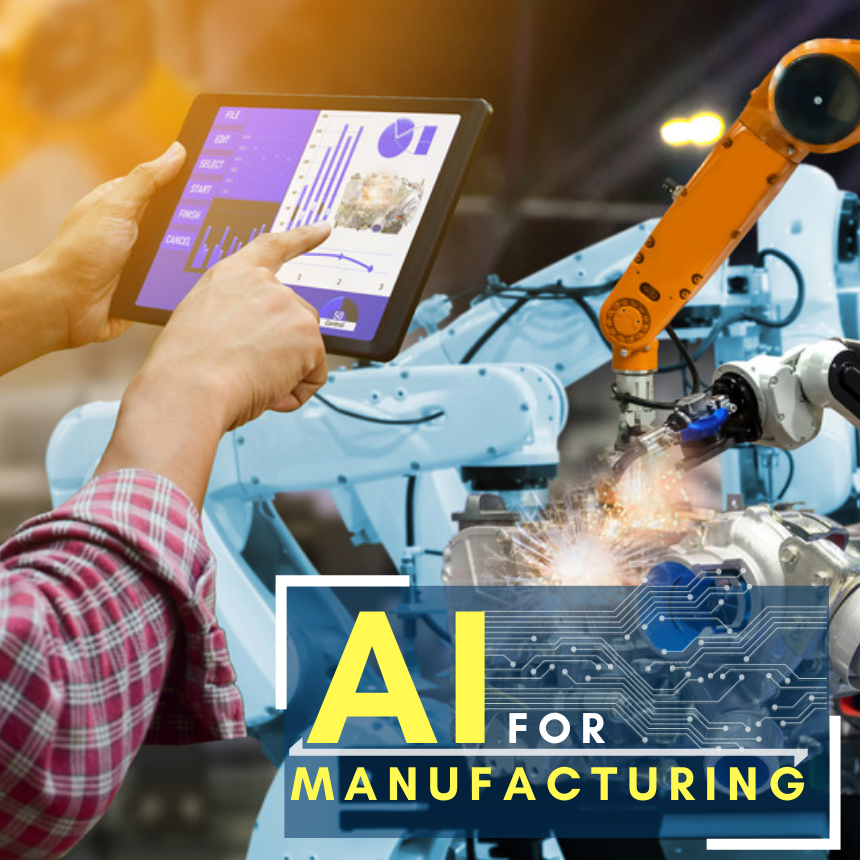
AI-powered robotics and automation have revolutionized the manufacturing floor. Autonomous robots equipped with AI algorithms can perform intricate tasks with precision, speed, and consistency. Collaborative robots (cobots) work alongside human workers, enhancing efficiency and safety. AI-driven automation reduces manual labor, minimizes errors, and enables manufacturers to scale production rapidly, meeting the demands of an ever-changing market.
- Generative Design:
Generative design, powered by AI, transforms the product design process. Instead of relying on traditional design approaches, generative design algorithms explore multiple design possibilities based on specified constraints and requirements. This not only accelerates the design phase but also results in innovative solutions that human designers might not have considered. Manufacturers can optimize product performance, reduce material waste, and create more sustainable designs with generative design powered by AI.
- Supply Chain Optimization:
AI plays a crucial role in optimizing supply chain processes, from demand forecasting to inventory management. Machine learning algorithms analyze historical data, market trends, and external factors to predict demand more accurately. This helps manufacturers optimize inventory levels, reduce carrying costs, and minimize stockouts. Additionally, AI-driven supply chain management enhances visibility, allowing manufacturers to respond swiftly to disruptions and streamline their overall logistics.
- Digital Twins:
Digital twins are virtual replicas of physical objects, processes, or systems. In manufacturing, digital twins are used to create a real-time digital representation of a physical product or production line. AI algorithms analyze data from these digital twins to optimize performance, identify potential issues, and enhance decision-making. This technology enables manufacturers to simulate and test different scenarios, leading to improved product quality and operational efficiency.
- Natural Language Processing (NLP):
Natural Language Processing (NLP) allows machines to understand and interpret human language. In manufacturing, NLP is used for various applications, such as voice-activated controls, human-machine interfaces, and real-time communication between machines. NLP enhances collaboration, simplifies complex processes, and improves overall efficiency on the manufacturing floor.
Conclusion:
Artificial Intelligence has become a game-changer in the manufacturing industry, offering a plethora of technologies and techniques that enhance efficiency, productivity, and innovation. From predictive maintenance to supply chain optimization, the applications of AI in manufacturing are diverse and far-reaching. As manufacturers continue to adopt and integrate AI technologies, the industry is poised for a new era of unprecedented growth and transformation. Embracing these key technologies and techniques will not only drive operational excellence but also position manufacturers at the forefront of the Fourth Industrial Revolution. The journey towards a smarter, more efficient manufacturing future is well underway, with AI leading the way.
 FinTech blogs
Leave a comment