Introduction:
In the fast-paced world of modern business, efficient inventory management is crucial for success. As industries continue to evolve, so does the technology that supports them. Artificial Intelligence (AI) is emerging as a game-changer in the realm of inventory management, offering innovative solutions to streamline processes, enhance accuracy, and optimize supply chains. This article explores the profound impact of AI in inventory management, delving into key use cases that are transforming the way businesses handle their stock.
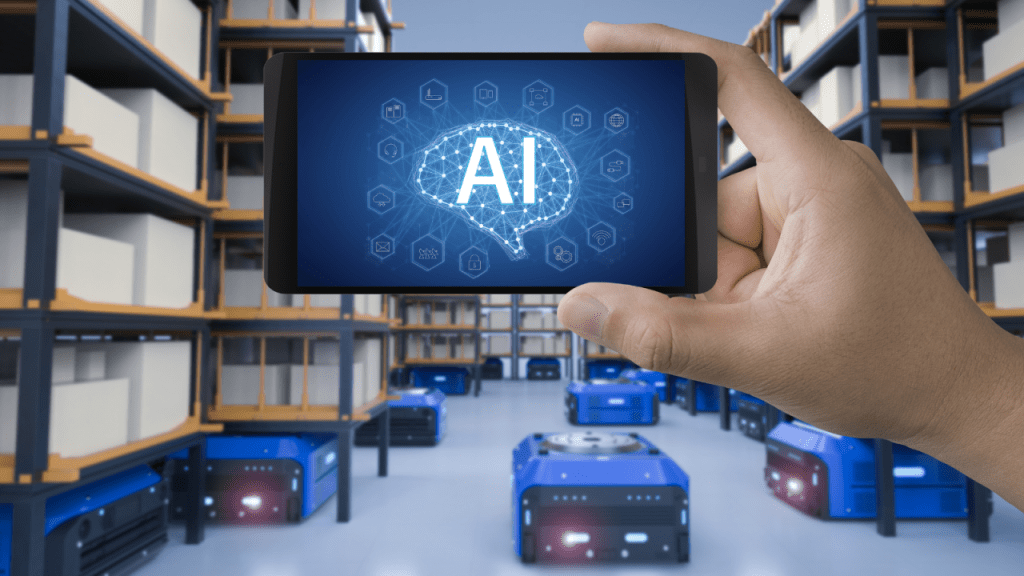
AI in Inventory Management:
Inventory management involves overseeing the flow of goods from production to distribution and ultimately to the end consumer. AI brings a new level of sophistication to this process by leveraging advanced algorithms and machine learning to analyze data, predict demand, and make informed decisions. The integration of AI in inventory management not only reduces operational costs but also improves overall efficiency, minimizing the risk of stockouts and overstock situations.
Use Cases of AI in Inventory Management:
- Demand Forecasting and Predictive Analytics: One of the primary applications of AI in inventory management is demand forecasting. AI algorithms analyze historical sales data, market trends, and external factors to predict future demand accurately. By understanding patterns and fluctuations, businesses can optimize their inventory levels, ensuring that they have the right amount of stock to meet customer demand without excess.
- Dynamic Reordering Systems: AI enables the implementation of dynamic reordering systems that adjust replenishment levels in real-time. These systems continuously analyze data, considering factors such as seasonality, promotions, and market trends. Through this dynamic approach, businesses can optimize inventory levels, reducing carrying costs while ensuring that products are available when needed.
- Predictive Maintenance for Equipment: AI extends its influence beyond inventory itself to the equipment used in the supply chain. AI in Predictive maintenance helps anticipate equipment failures before they occur. By monitoring the condition of machinery and identifying potential issues, businesses can schedule maintenance proactively, minimizing downtime and disruptions in the supply chain.
- Optimizing Warehouse Layouts: AI algorithms can optimize warehouse layouts to enhance efficiency and reduce picking times. By analyzing historical data on product movement, these systems recommend optimal storage locations for different items. This not only speeds up order fulfillment but also reduces labor costs and maximizes warehouse space utilization.
- Automated Order Processing: AI streamlines order processing by automating routine tasks. Natural Language Processing (NLP) algorithms enable systems to understand and process orders more efficiently. This not only reduces the risk of errors but also accelerates the order fulfillment process, improving customer satisfaction.
- Supply Chain Visibility: AI enhances supply chain visibility by providing real-time insights into the movement of goods. Predictive analytics can identify potential disruptions and bottlenecks, allowing businesses to take proactive measures to mitigate risks. This level of transparency ensures that businesses can respond swiftly to changes in the market and maintain a resilient supply chain.
Conclusion:
The integration of AI in inventory management is a transformative step for businesses seeking to stay competitive in today’s dynamic markets. From demand forecasting to optimizing warehouse layouts and ensuring equipment reliability, AI offers a range of use cases that revolutionize how companies handle their inventory. As technology continues to advance, the synergy between AI and inventory management will only deepen, providing businesses with the tools they need to navigate an increasingly complex and fast-paced business environment. Embracing AI in inventory management is not just a strategic choice but a necessity for those looking to thrive in the ever-evolving landscape of supply chain management.
 FinTech blogs
Leave a comment