Introduction
In the dynamic landscape of manufacturing, efficiency is paramount. As industries strive to optimize processes, reduce costs, and enhance productivity, the integration of Artificial Intelligence (AI) in production planning emerges as a transformative solution. By harnessing the power of AI algorithms, businesses can revolutionize their production planning strategies, paving the way for greater agility, accuracy, and competitiveness in the market.
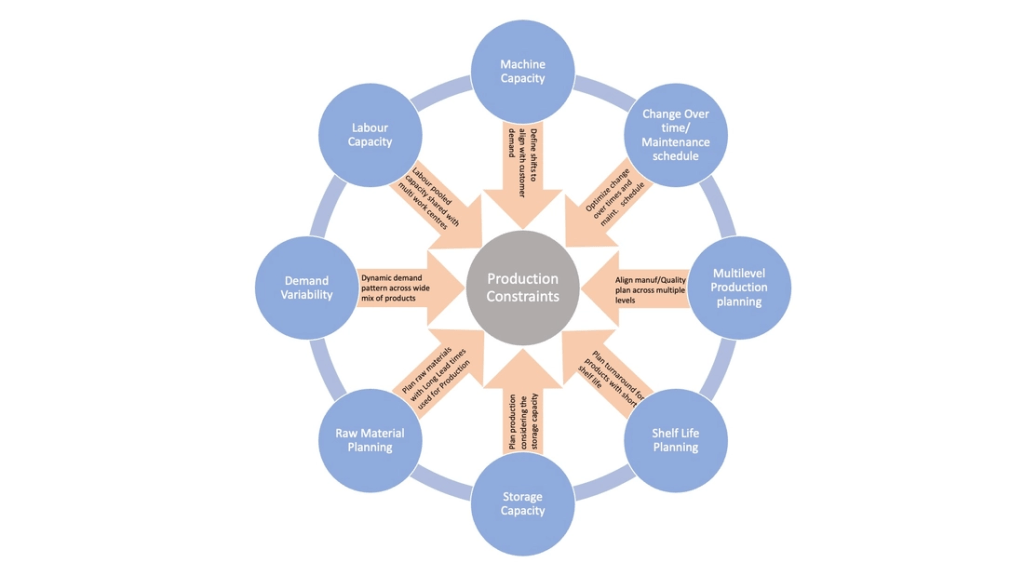
Understanding AI in Production Planning
Defining AI in Production Planning
AI in production planning refers to the utilization of advanced algorithms and machine learning techniques to optimize various aspects of manufacturing processes. It involves the analysis of vast datasets, prediction of demand, scheduling of resources, and decision-making to ensure seamless operations.
Key Components of AI in Production Planning
- Data Analytics: AI systems analyze historical data, current market trends, and other relevant factors to make informed decisions.
- Demand Forecasting: By analyzing past sales data and external factors like market trends and seasonality, AI predicts future demand accurately.
- Resource Optimization: AI algorithms allocate resources efficiently, minimizing idle time and maximizing utilization.
- Real-time Monitoring: AI-enabled systems monitor production processes in real-time, detecting anomalies and facilitating prompt interventions.
- Decision Support: AI provides valuable insights and recommendations to decision-makers, aiding in strategic planning and problem-solving.
Benefits of AI in Production Planning
Enhanced Efficiency
AI optimizes production schedules, reduces downtime, and minimizes wastage, leading to enhanced operational efficiency. By automating repetitive tasks and streamlining workflows, businesses can achieve higher output levels with existing resources.
Improved Accuracy
AI algorithms leverage predictive analytics to forecast demand accurately, reducing the risk of overstocking or stockouts. Real-time monitoring ensures that production processes remain on track, mitigating errors and deviations from the plan.
Cost Reduction
By optimizing resource allocation and minimizing inefficiencies, AI helps businesses reduce production costs. Moreover, AI-driven predictive maintenance can prevent equipment failures, minimizing downtime and repair expenses.
Agility and Adaptability
In today’s fast-paced market environment, agility is crucial for staying competitive. AI-equipped production planning systems enable rapid adaptation to changing market conditions, demand fluctuations, and unforeseen disruptions, ensuring business continuity and responsiveness.
Challenges and Considerations
Data Quality and Integration
The effectiveness of AI in production planning hinges on the availability and quality of data. Businesses must ensure data integrity, accuracy, and compatibility across different systems and sources to derive meaningful insights.
Integration with Existing Systems
Integrating AI solutions with existing production planning systems can be complex and time-consuming. Businesses need to invest in robust infrastructure and IT capabilities to facilitate seamless integration and interoperability.
Human-AI Collaboration
While AI automates many aspects of production planning, human expertise remains indispensable. Effective collaboration between AI systems and human operators is essential to leverage the strengths of both and ensure optimal decision-making.
Ethical and Regulatory Considerations
As AI plays an increasingly prominent role in production planning, ethical and regulatory considerations come to the forefront. Businesses must address issues related to data privacy, algorithmic bias, and accountability to ensure responsible AI deployment.
Case Studies: AI in Action
- Toyota: Optimizing Production with AI
Toyota leverages AI algorithms to optimize production schedules, minimize inventory levels, and improve supply chain efficiency. By analyzing real-time data from production lines and market demand, Toyota ensures timely delivery of high-quality vehicles to customers worldwide. - Siemens: Predictive Maintenance with AI
Siemens utilizes AI-driven predictive maintenance to enhance equipment reliability and performance. By analyzing sensor data and machine learning models, Siemens predicts equipment failures before they occur, enabling proactive maintenance and minimizing downtime. - Amazon: AI-powered Demand Forecasting
Amazon employs AI algorithms for demand forecasting, enabling precise inventory management and order fulfillment. By analyzing historical sales data, customer behavior, and external factors, Amazon optimizes inventory levels and reduces stockouts, ensuring customer satisfaction.
Future Trends and Outlook
The integration of AI in production planning is poised to continue evolving, driven by advancements in technology and increasing demand for efficiency and agility. Future trends may include the adoption of autonomous manufacturing systems, the proliferation of AI-driven predictive analytics, and the emergence of AI-powered collaborative planning platforms.
Conclusion
AI is revolutionizing production planning, enabling businesses to optimize operations, enhance efficiency, and stay competitive in a rapidly changing market landscape. By harnessing the power of AI algorithms for demand forecasting, resource optimization, and decision support, organizations can unlock new opportunities for growth and innovation in manufacturing. As AI continues to evolve, its role in production planning will become increasingly indispensable, driving transformative changes across industries worldwide.
 FinTech blogs
Leave a comment