Introduction
In today’s fast-paced global economy, efficient logistics and supply chain management are crucial for businesses to remain competitive. With the advent of artificial intelligence (AI), these processes are undergoing a significant transformation. AI is not just a buzzword; it’s a game-changer, revolutionizing the way companies handle their logistics and supply chain operations.
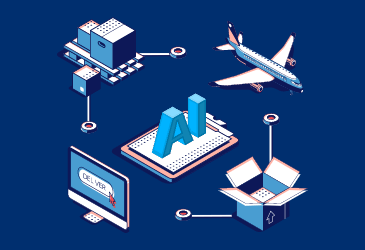
Understanding AI in Logistics and Supply Chain Management
AI in Route Optimization
One of the primary challenges in logistics is optimizing routes to minimize costs and delivery times. AI algorithms analyze vast amounts of data, such as traffic patterns, weather conditions, and delivery schedules, to determine the most efficient routes. By doing so, companies can reduce fuel consumption, lower transportation expenses, and improve overall delivery efficiency.
AI in Inventory Management
Effective inventory management is essential for ensuring product availability while minimizing excess stock. AI-powered systems use predictive analytics to forecast demand accurately. By analyzing historical sales data, market trends, and even external factors like social media sentiment, AI algorithms can predict demand with unprecedented accuracy. This enables companies to optimize inventory levels, reduce stockouts, and avoid overstocking, ultimately improving customer satisfaction and reducing costs.
AI in Predictive Maintenance
For companies operating fleets of vehicles or machinery, unplanned downtime due to equipment failure can be costly and disruptive. AI-driven predictive maintenance systems use sensor data and machine learning algorithms to forecast when maintenance is required before a breakdown occurs. By detecting early signs of equipment deterioration, companies can schedule maintenance proactively, minimizing downtime, and avoiding costly repairs.
AI in Supply Chain Visibility
End-to-end visibility is critical for effective supply chain management. AI technologies such as blockchain and IoT (Internet of Things) enable real-time tracking and tracing of goods throughout the supply chain. This provides companies with unprecedented visibility into their supply chains, allowing them to identify bottlenecks, mitigate risks, and respond quickly to disruptions. Enhanced visibility also enables better collaboration between supply chain partners, leading to smoother operations and improved customer satisfaction.
AI in Warehouse Automation
Warehousing operations are being transformed by AI-powered automation technologies. From autonomous robots that navigate warehouses to automated sorting systems and smart inventory management solutions, AI is streamlining warehouse operations and improving efficiency. By automating repetitive tasks, companies can reduce labor costs, minimize errors, and increase throughput, ultimately enhancing overall warehouse productivity.
AI in Demand Forecasting
Accurate demand forecasting is essential for optimizing inventory levels and meeting customer demand. AI algorithms analyze a wide range of data sources, including historical sales data, market trends, economic indicators, and even weather forecasts, to predict future demand with high accuracy. By leveraging advanced machine learning techniques, companies can improve forecast accuracy, reduce stockouts, and optimize inventory levels, leading to better resource allocation and increased profitability.
Challenges and Considerations
While AI holds tremendous promise for revolutionizing logistics and supply chain management, it also presents challenges and considerations. These include data privacy and security concerns, the need for skilled personnel to develop and maintain AI systems, and the potential for job displacement due to automation. Companies must carefully weigh these factors and implement appropriate strategies to maximize the benefits of AI while mitigating potential risks.
Conclusion
AI is transforming logistics and supply chain management in profound ways, enabling companies to optimize routes, improve inventory management, enhance supply chain visibility, automate warehouse operations, and forecast demand more accurately. By harnessing the power of AI, businesses can gain a competitive edge, reduce costs, and deliver superior customer experiences. As AI continues to evolve, its impact on logistics and supply chain management will only grow, shaping the future of commerce in profound ways.
Read More: https://www.leewayhertz.com/ai-in-logistics-and-supply-chain/
 FinTech blogs
Leave a comment