Introduction
In the realm of IT Service Management (ITSM), the integration of Artificial Intelligence (AI) has revolutionized how organizations deliver and support IT services. AI-powered solutions are reshaping traditional ITSM practices by automating tasks, optimizing workflows, and enhancing the overall user experience. This article explores the transformative impact of AI on ITSM and its benefits across various domains.
Understanding AI for ITSM
Artificial Intelligence for IT Service Management encompasses a range of technologies and applications designed to streamline IT operations and improve service delivery. These technologies include machine learning algorithms, natural language processing (NLP), chatbots, and predictive analytics. The goal is to leverage AI to make ITSM processes more efficient, proactive, and responsive to user needs.
Automating Routine Tasks
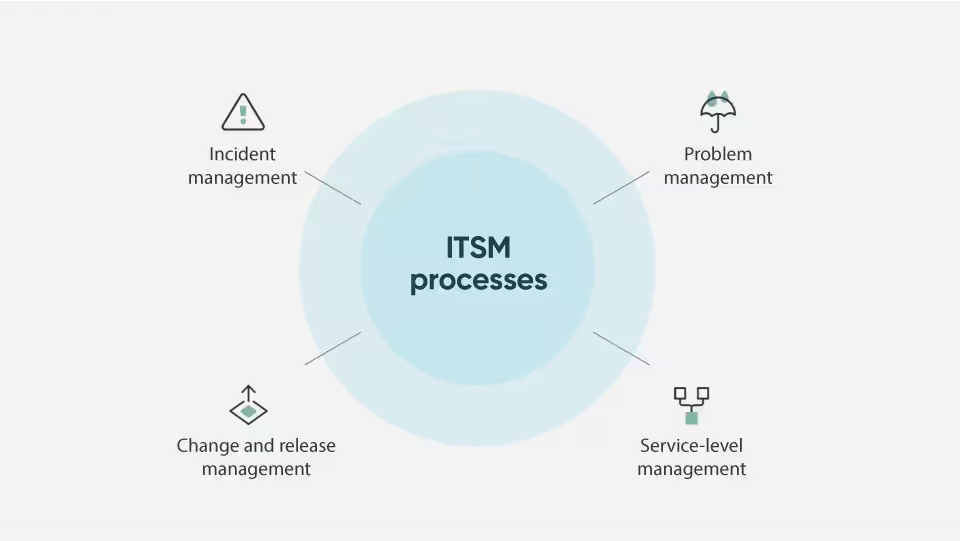
One of the primary advantages of AI in ITSM is its ability to automate routine tasks. Tasks such as incident management, ticket routing, and basic troubleshooting can be handled autonomously by AI systems. This automation not only reduces the workload on IT staff but also accelerates response times and minimizes human error. For instance, AI-powered chatbots can provide instant responses to common user queries, freeing up IT personnel to focus on more complex issues.
Enhancing Problem Resolution
AI augments ITSM by enabling predictive analytics and proactive problem management. By analyzing historical data and patterns, AI can anticipate potential issues before they escalate into major problems. This proactive approach not only prevents downtime but also improves system reliability and performance. Moreover, AI algorithms can suggest optimal solutions based on past resolutions, speeding up problem resolution times and increasing overall customer satisfaction.
Improving User Experience
User experience lies at the heart of effective ITSM. AI enhances user experience by providing personalized support and self-service options. Chatbots equipped with natural language understanding can interact with users conversationally, guiding them through troubleshooting steps or service requests. This level of responsiveness ensures that users receive timely assistance, leading to higher satisfaction levels and improved productivity across the organization.
Optimizing Service Desk Operations
AI transforms traditional service desk operations by enabling intelligent ticketing systems and automated workflows. AI algorithms can prioritize incoming tickets based on urgency and impact, ensuring that critical issues are addressed promptly. Additionally, AI-driven analytics provide insights into service desk performance metrics, enabling IT managers to identify bottlenecks, optimize resource allocation, and continuously improve service delivery.
Facilitating IT Asset Management
Effective management of IT assets is essential for maintaining operational efficiency and cost-effectiveness. AI plays a crucial role in IT asset management by automating inventory tracking, license management, and asset lifecycle management. AI-powered systems can detect anomalies, forecast usage trends, and recommend optimization strategies, thereby reducing wastage and optimizing resource utilization.
Ensuring Security and Compliance
Security and compliance are paramount concerns in ITSM. AI enhances security measures by detecting potential threats in real-time, analyzing user behavior patterns, and automating incident response processes. AI algorithms can identify anomalies indicative of security breaches and initiate immediate remediation actions. Moreover, AI-powered compliance management tools assist organizations in adhering to regulatory requirements by continuously monitoring and auditing IT processes.
Future Directions of AI in ITSM
Looking ahead, the evolution of AI in ITSM is poised to bring further advancements. Future applications may include more sophisticated AI-driven analytics for predictive maintenance, expanded use of virtual agents for IT support, and integration with emerging technologies such as Internet of Things (IoT) for proactive service management. As AI continues to mature, its role in ITSM will likely expand, offering new opportunities for innovation and operational excellence.
Conclusion
In conclusion, AI for ITSM represents a transformative force that enhances efficiency, improves service quality, and elevates the overall user experience. By automating routine tasks, facilitating proactive problem resolution, and optimizing service desk operations, AI empowers organizations to deliver superior IT services. As AI technologies evolve, they will continue to redefine ITSM practices, driving innovation and productivity across industries. Embracing AI in ITSM is not just a competitive advantage but a necessity for organizations aiming to thrive in the digital age.
 FinTech blogs
Leave a comment