Introduction
Artificial Intelligence (AI) has become a transformative force across various industries, and one of its most impactful applications is in lending. In the financial sector, AI is reshaping how loans are processed, evaluated, and managed, offering both lenders and borrowers significant advantages in terms of efficiency, accuracy, and inclusivity.
Enhancing Credit Decisions
Traditional lending processes heavily rely on historical data and credit scores to assess risk and make lending decisions. AI in lending revolutionizes this approach by leveraging advanced algorithms to analyze vast amounts of data beyond traditional credit history. Machine learning models can consider alternative data sources such as social media activity, utility bill payments, and even smartphone usage patterns to build more comprehensive borrower profiles. This enables lenders to make more accurate credit assessments, reducing the likelihood of defaults while expanding access to credit for underserved populations who may lack conventional credit histories.
Streamlining Loan Approval Processes
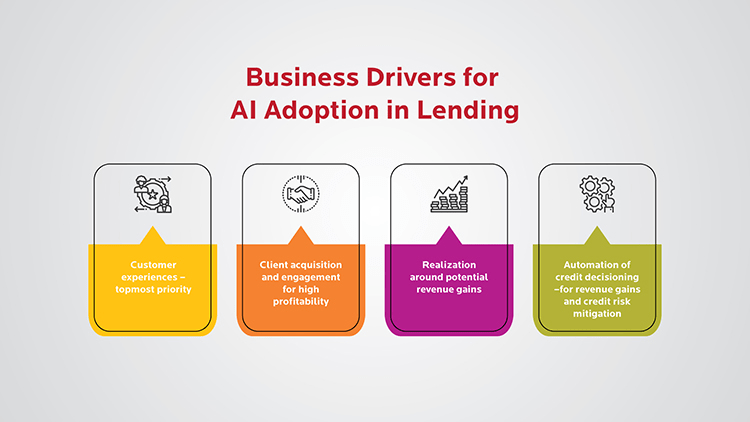
One of the significant benefits of AI in lending is the automation of loan approval processes. AI-powered systems can swiftly process loan applications, verify information, and assess risk in real-time. This not only speeds up the decision-making process but also enhances operational efficiency for lending institutions. Borrowers benefit from quicker responses, often receiving loan approvals within minutes instead of days or weeks.
Personalizing Customer Experience
AI technologies enable lenders to offer personalized financial products and services tailored to individual borrower needs. By analyzing customer data and behaviors, AI algorithms can recommend suitable loan products, terms, and repayment schedules. This personalization enhances customer satisfaction and loyalty while optimizing loan outcomes for both parties.
Mitigating Risks and Fraud
AI plays a crucial role in risk management and fraud detection within the lending industry. Machine learning models can identify patterns indicative of potential fraud, such as unusual transaction behavior or discrepancies in application details. By flagging suspicious activities in real-time, AI helps mitigate financial risks and protect both lenders and borrowers from fraudulent activities.
Improving Regulatory Compliance
Compliance with regulatory requirements is a paramount concern in the financial sector. AI-powered systems assist lending institutions in staying compliant by continuously monitoring and updating practices to align with evolving regulations. These technologies ensure that all lending activities adhere to legal standards, reducing the risk of penalties and enhancing overall governance.
Driving Financial Inclusion
One of the most significant societal impacts of AI in lending is its role in promoting financial inclusion. Traditional credit scoring models often exclude individuals with limited credit histories or unconventional financial backgrounds. AI algorithms, however, can analyze a broader range of data points to assess creditworthiness, thereby expanding access to credit for marginalized groups and fostering economic empowerment.
Challenges and Ethical Considerations
Despite its numerous benefits, AI in lending poses challenges and ethical considerations. Issues such as algorithmic bias, data privacy concerns, and transparency in decision-making processes must be carefully addressed. Lenders need to ensure that AI systems are fair and accountable, avoiding discriminatory outcomes and safeguarding sensitive borrower information.
Future Trends and Innovations
Looking ahead, the future of AI in lending promises continued innovation and evolution. Advancements in natural language processing (NLP), predictive analytics, and explainable AI will further refine credit risk assessment models and enhance the customer experience. Additionally, collaborative efforts between fintech startups, traditional banks, and regulatory bodies will shape the landscape of AI-driven lending practices.
Conclusion
AI is revolutionizing the lending industry by improving credit decisions, streamlining processes, enhancing customer experience, and mitigating risks. As technology continues to advance, AI-powered solutions will play an increasingly integral role in shaping the future of financial services, making lending more accessible, efficient, and inclusive than ever before. Embracing these innovations responsibly is key to unlocking the full potential of AI in lending while ensuring fairness, transparency, and ethical standards are upheld across the board.
 FinTech blogs
Leave a comment