In the rapidly evolving industrial landscape, maintaining high standards of quality control is crucial. Traditional methods of defect detection often fall short due to human error and inefficiency. This is where AI-powered defect detection systems come into play, offering unprecedented accuracy and efficiency in identifying flaws and ensuring product quality.
What Are AI-Powered Defect Detection Systems?
AI-powered defect detection systems utilize advanced algorithms and machine learning techniques to identify and categorize defects in various products and materials. These systems leverage the power of artificial intelligence to analyze vast amounts of data quickly and accurately, surpassing the capabilities of human inspectors.
How Do AI-Powered Defect Detection Systems Work?
Data Collection
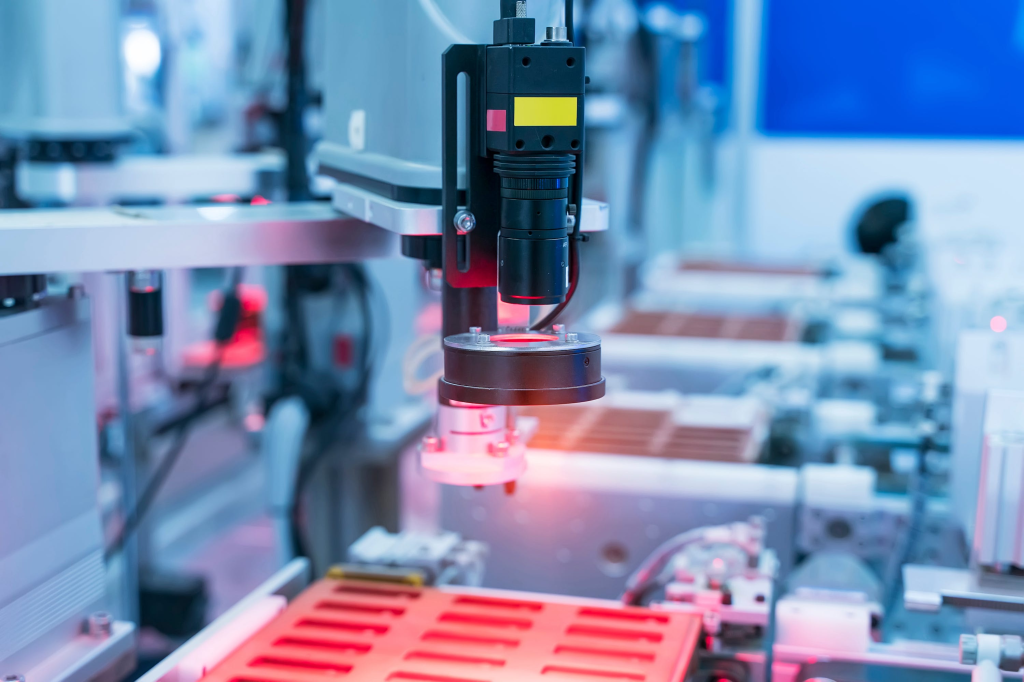
The first step in AI-powered defect detection involves data collection. High-resolution cameras and sensors capture detailed images and measurements of the products. This data serves as the foundation for the AI system to learn and identify defects.
Training the AI Model
The collected data is then used to train the AI model. This involves feeding the system thousands of images of both defect-free and defective products. The AI uses this data to learn the characteristics of various defects, such as cracks, scratches, and misalignments. Over time, the model becomes adept at distinguishing between normal variations and actual defects.
Real-Time Analysis
Once trained, the AI-powered defect detection system can be deployed on the production line. It continuously scans products in real-time, comparing each item against its learned database. When a defect is detected, the system can alert human operators or automatically remove the defective item from the production line.
Benefits of AI-Powered Defect Detection Systems
Enhanced Accuracy
AI-powered defect detection systems are known for their high accuracy. Unlike human inspectors, AI systems do not suffer from fatigue or inconsistency. They can analyze products with incredible precision, reducing the likelihood of defects slipping through the cracks.
Increased Efficiency
These systems operate at high speeds, capable of inspecting hundreds or even thousands of products per minute. This significantly boosts production efficiency, allowing manufacturers to maintain high output rates without compromising on quality.
Cost Savings
By reducing the number of defective products that reach customers, AI-powered defect detection systems help companies save money on returns, repairs, and reputational damage. Additionally, the automation of the inspection process reduces labor costs and minimizes the need for rework.
Consistency and Reliability
AI systems provide consistent and reliable results. They follow the same inspection criteria every time, ensuring uniform quality across all products. This consistency is challenging to achieve with human inspectors, who may vary in their judgment and performance.
Applications of AI-Powered Defect Detection Systems
Manufacturing
In manufacturing, AI-powered defect detection systems are used to inspect a wide range of products, from automotive parts to electronics. These systems ensure that every component meets the required standards, enhancing overall product quality.
Textile Industry
In the textile industry, these systems are employed to detect defects in fabrics, such as tears, stains, and misweaves. AI-powered systems can inspect fabrics at high speeds, ensuring that only high-quality materials are used in production.
Food and Beverage
AI-powered defect detection systems are also making waves in the food and beverage industry. They are used to inspect products for contamination, packaging defects, and labeling errors. This helps ensure that consumers receive safe and correctly labeled products.
Pharmaceuticals
In the pharmaceutical industry, AI systems are used to inspect tablets, capsules, and packaging for defects. This is critical for maintaining the safety and efficacy of medications, as even minor defects can have significant consequences.
Challenges and Considerations
Initial Investment
One of the primary challenges of implementing AI-powered defect detection systems is the initial investment. High-quality cameras, sensors, and AI software can be expensive. However, the long-term benefits often outweigh the upfront costs.
Integration with Existing Systems
Integrating AI-powered defect detection systems with existing production lines can be complex. It requires careful planning and coordination to ensure seamless operation. Manufacturers must also train staff to work with the new technology.
Data Quality
The effectiveness of AI-powered defect detection systems depends on the quality of the data used for training. Poor-quality data can lead to inaccurate results. Therefore, it is crucial to collect high-resolution images and ensure proper labeling of defects during the training phase.
The Future of AI-Powered Defect Detection Systems
As technology advances, AI-powered defect detection systems are expected to become even more sophisticated. Improvements in machine learning algorithms and sensor technology will enhance their accuracy and efficiency. Additionally, the integration of AI with other technologies, such as the Internet of Things (IoT) and blockchain, will further revolutionize quality control processes.
In conclusion, AI-powered defect detection systems represent a significant leap forward in quality control. By leveraging the power of artificial intelligence, these systems offer unparalleled accuracy, efficiency, and reliability. As industries continue to adopt and refine these technologies, we can expect even higher standards of product quality and safety in the future.
 FinTech blogs
Leave a comment