Introduction
In the ever-evolving world of aviation, advancements in technology continue to reshape the landscape. One of the most promising innovations in recent years is the emergence of AI copilot development companies. These companies are at the forefront of integrating artificial intelligence into aircraft systems, aiming to enhance safety, efficiency, and the overall flying experience.
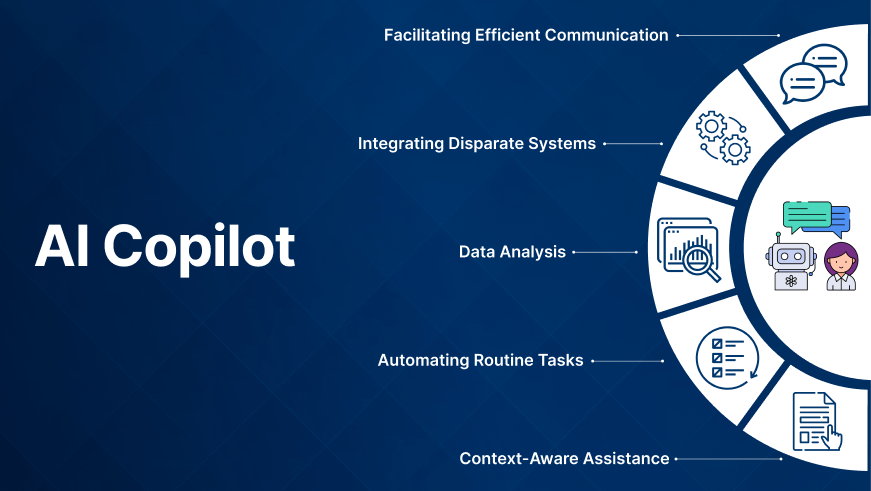
The Rise of AI Copilot Development Companies
AI copilot development companies have gained significant attention for their pioneering work in applying AI to aviation. By leveraging machine learning algorithms and sophisticated data analytics, these companies are transforming how pilots interact with their aircraft. The goal is not to replace human pilots, but rather to augment their capabilities and provide invaluable support in critical decision-making processes.
Enhancing Safety and Reliability
Safety is paramount in aviation, and AI copilot development companies are addressing this concern head-on. AI systems can analyze vast amounts of data in real-time, helping to detect potential issues before they escalate. From monitoring engine performance to predicting weather patterns, AI copilots offer proactive insights that contribute to safer flights and more reliable operations.
Optimizing Operational Efficiency
Beyond safety, AI copilot systems contribute to operational efficiency. By automating routine tasks and providing predictive analytics, these systems enable pilots to focus more on strategic decision-making. This efficiency translates into cost savings for airlines, reduced fuel consumption, and improved scheduling accuracy.
Human-AI Collaboration in Cockpit
One of the key principles behind AI copilot development is collaboration between humans and AI systems. Pilots retain ultimate control over the aircraft while AI copilots provide real-time recommendations and alerts. This symbiotic relationship enhances situational awareness and enables quicker response times in emergencies.
Real-World Applications and Success Stories
AI copilot development companies have already made significant strides in the aviation industry. For example, some systems have successfully assisted pilots in navigating complex airspace, optimizing flight paths for fuel efficiency, and even predicting maintenance issues before they occur. These applications highlight the tangible benefits of integrating AI into aviation operations.
Challenges and Ethical Considerations
Despite its promise, AI copilot development faces challenges, including regulatory hurdles, data privacy concerns, and the need for extensive testing and validation. Moreover, the ethical implications of relying on AI in critical decision-making scenarios require careful consideration and ongoing dialogue within the aviation community.
Future Outlook and Innovations
Looking ahead, the future of AI copilot development companies appears promising. Advancements in AI technology, including improved algorithms and enhanced computing power, will likely lead to more sophisticated AI copilot systems. These advancements could potentially revolutionize how aircraft are operated and maintained, paving the way for safer, more efficient air travel globally.
Conclusion
In conclusion, AI copilot development companies represent a transformative force in the aviation industry. By harnessing the power of artificial intelligence, these companies are redefining the capabilities of modern aircraft, enhancing safety, optimizing efficiency, and paving the way for a more connected and secure aviation ecosystem. As technology continues to evolve, so too will the role of AI copilots in shaping the future of flight.
 FinTech blogs
Leave a comment