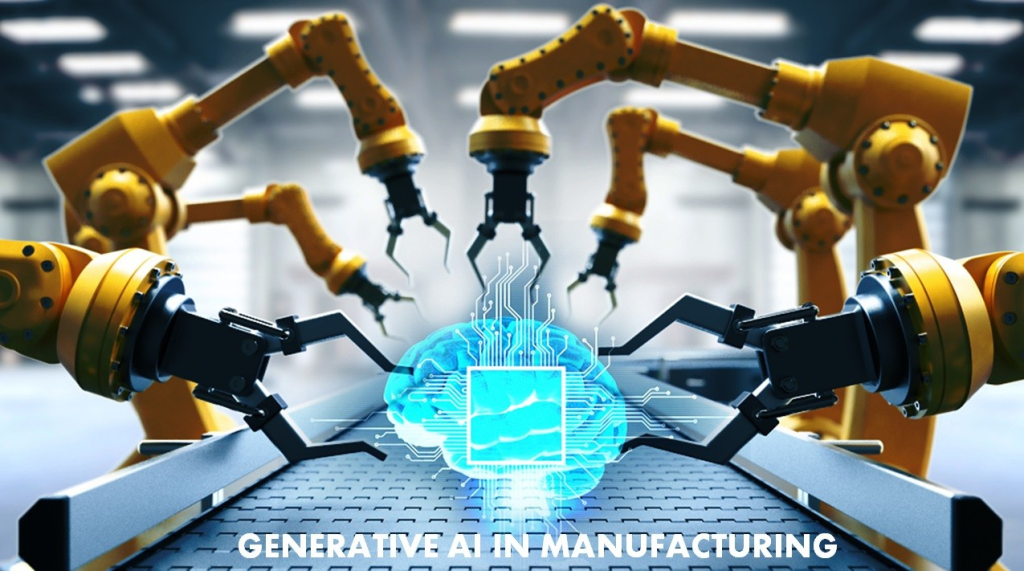
In recent years, the advent of Generative AI has revolutionized various industries, with manufacturing standing out as one of the key beneficiaries. Generative AI in manufacturing is reshaping traditional processes, leading to enhanced efficiency, innovation, and cost savings. This article explores how Generative AI is transforming the manufacturing landscape, highlighting its key applications and benefits.
What is Generative AI?
Generative AI refers to a subset of artificial intelligence that focuses on creating new content, designs, or solutions from existing data. Unlike traditional AI, which often analyzes data to make predictions or classifications, Generative AI can generate novel outputs. In manufacturing, this means creating new product designs, optimizing production processes, and predicting maintenance needs, among other applications.
Enhancing Product Design
One of the most significant impacts of Generative AI in manufacturing is in the realm of product design. Traditional product design relies heavily on human creativity and iterative testing, which can be time-consuming and costly. Generative AI streamlines this process by using algorithms to explore a vast array of design possibilities based on specific constraints and requirements.
For instance, a manufacturer can input parameters such as material type, weight, strength, and cost constraints into a Generative AI system. The AI then generates multiple design alternatives, often discovering innovative solutions that human designers might not have considered. This not only speeds up the design process but also leads to the creation of more efficient and cost-effective products.
Optimizing Production Processes
Beyond product design, Generative AI plays a crucial role in optimizing manufacturing processes. By analyzing large datasets from production lines, Generative AI can identify inefficiencies and suggest improvements. This can range from optimizing the layout of a factory floor to refining the scheduling of production runs to minimize downtime.
For example, Generative AI can analyze the workflow of a production line and suggest rearrangements that reduce the time it takes for materials to move from one stage to the next. It can also predict potential bottlenecks and recommend proactive measures to avoid them. These optimizations lead to increased productivity and reduced operational costs.
Predictive Maintenance and Reduced Downtime
One of the ongoing challenges in manufacturing is maintaining equipment to prevent unexpected breakdowns, which can lead to significant downtime and lost revenue. Generative AI addresses this challenge through predictive maintenance. By continuously analyzing data from machinery, Generative AI algorithms can predict when a machine is likely to fail and recommend maintenance before a breakdown occurs.
This predictive capability is particularly valuable in industries where equipment failure can be costly or dangerous. For example, in aerospace manufacturing, where precision and reliability are critical, Generative AI helps ensure that machinery is maintained at optimal performance levels, thereby enhancing safety and reducing costs.
Supply Chain Optimization
Generative AI also extends its benefits to supply chain management. Efficient supply chain management is vital for ensuring that materials and products move smoothly from suppliers to manufacturers to customers. Generative AI can analyze various factors affecting the supply chain, such as demand fluctuations, supplier performance, and transportation logistics, to optimize operations.
By generating scenarios and evaluating the impact of different variables, Generative AI helps manufacturers develop more resilient and efficient supply chains. This can result in better inventory management, reduced lead times, and improved customer satisfaction.
Customization and Mass Personalization
The demand for customized products is growing, and Generative AI is enabling manufacturers to meet this demand more effectively. Traditional mass production methods are often ill-suited for producing customized products due to the complexity and cost involved. However, Generative AI can streamline the customization process by automating the design and production adjustments needed for individualized products.
For instance, in the fashion industry, Generative AI can create unique clothing designs tailored to individual customer preferences and measurements. This capability extends to other sectors, such as automotive and consumer electronics, where personalized features are increasingly sought after.
Challenges and Future Prospects
While the benefits of Generative AI in manufacturing are substantial, there are also challenges to consider. Implementing Generative AI requires significant investment in technology and training. Manufacturers must also address concerns related to data security and the ethical implications of AI-driven decision-making.
Despite these challenges, the future of Generative AI in manufacturing looks promising. As technology advances and becomes more accessible, even small and medium-sized enterprises (SMEs) will be able to leverage Generative AI to enhance their operations. Moreover, continued research and development in AI will likely lead to even more sophisticated applications, further transforming the manufacturing landscape.
Conclusion
Generative AI in manufacturing is more than just a technological innovation; it represents a paradigm shift in how products are designed, produced, and maintained. From enhancing product design and optimizing production processes to predictive maintenance and supply chain management, Generative AI is driving efficiency, innovation, and cost savings across the manufacturing sector. As manufacturers continue to embrace this technology, the future of manufacturing looks brighter, more efficient, and increasingly customized to meet the evolving demands of the market.
 FinTech blogs
Leave a comment