Introduction
Artificial Intelligence (AI) has permeated various sectors, revolutionizing processes and capabilities. In the realm of legal research, AI is increasingly playing a pivotal role in transforming how lawyers gather, analyze, and utilize information. This article explores the impact of AI in legal research, highlighting its benefits, challenges, and future implications.
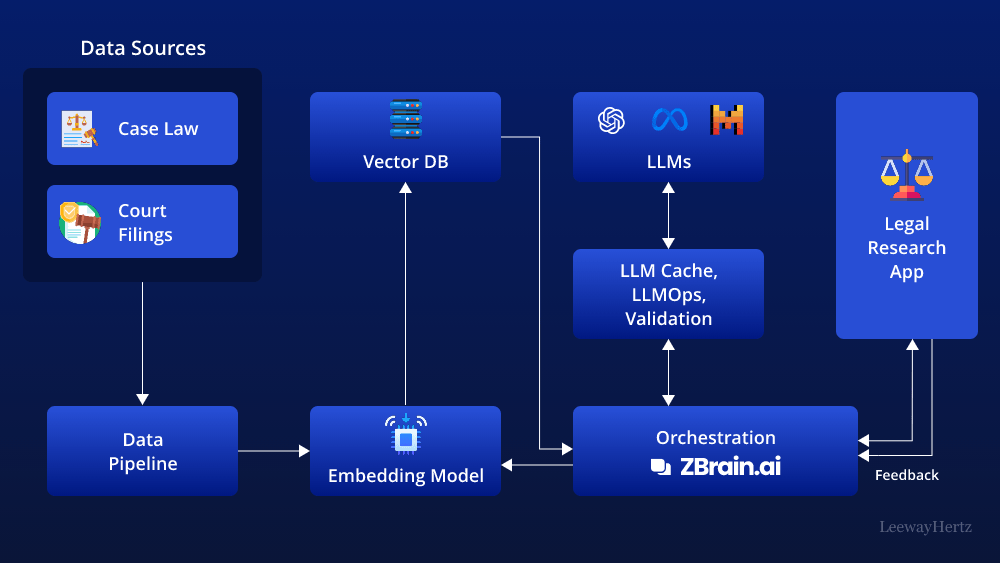
Understanding AI in Legal Research
AI in legal research refers to the application of machine learning algorithms and natural language processing techniques to analyze vast amounts of legal data. Traditionally, legal research involved hours of manual review of cases, statutes, and precedents to build arguments or provide legal advice. AI now streamlines this process by automating tasks that were once time-consuming and labor-intensive.
Benefits of AI in Legal Research
- Efficiency and Time Savings:
AI tools can sift through enormous databases of legal documents within seconds, identifying relevant cases and statutes based on specified criteria. This efficiency allows lawyers to focus more on strategy and client interaction rather than repetitive research tasks. - Enhanced Accuracy:
AI reduces the likelihood of human error in legal research. By utilizing algorithms that can analyze data objectively and consistently, AI helps lawyers access the most relevant and up-to-date information, ensuring that legal arguments are well-informed and comprehensive. - Predictive Analytics:
One of the groundbreaking aspects of AI in legal research is its ability to perform predictive analytics. By analyzing patterns in case law and judicial decisions, AI can forecast potential outcomes of legal disputes, thereby assisting lawyers in making informed decisions and developing effective litigation strategies.
Applications of AI in Legal Research
- Document Review and Discovery:
AI-powered tools can review and analyze large volumes of documents during the discovery phase of litigation. They can identify relevant documents, classify them based on relevance, and even extract key information, significantly reducing the time and cost associated with manual review. - Legal Research Platforms:
Several AI-driven platforms have emerged that provide lawyers with access to comprehensive databases of case law, statutes, and legal articles. These platforms utilize AI algorithms to suggest relevant cases, highlight important passages, and provide insights into legal trends and developments. - Natural Language Processing (NLP):
NLP technology enables AI to understand and analyze human language. In legal research, NLP algorithms can summarize lengthy documents, extract key clauses, and even answer specific legal queries posed in natural language, making legal research more accessible and efficient.
Challenges and Considerations
- Quality of Data:
The effectiveness of AI in legal research depends heavily on the quality and reliability of the data it analyzes. Ensuring that AI systems have access to accurate and up-to-date legal information is crucial for maintaining the integrity of research outcomes. - Ethical and Privacy Concerns:
AI raises ethical considerations regarding data privacy, confidentiality, and the potential biases inherent in algorithms. Legal professionals must navigate these concerns carefully to uphold ethical standards and protect client information. - Adaptation and Training:
Integrating AI into legal practice requires training lawyers and legal professionals to effectively use AI tools. Understanding how to interpret AI-generated insights and incorporating them into legal strategy is essential for maximizing the benefits of AI in legal research.
Future Directions
The future of AI in legal research holds promise for further advancements and innovations. As AI technologies continue to evolve, they are likely to become more sophisticated in their ability to analyze complex legal issues, predict legal outcomes with greater accuracy, and enhance collaboration among legal teams.
Conclusion
AI is reshaping the landscape of legal research, offering unprecedented opportunities to improve efficiency, accuracy, and decision-making in the practice of law. While challenges such as data quality and ethical considerations persist, the transformative potential of AI in legal research is undeniable. Embracing AI technologies can empower legal professionals to navigate complex legal landscapes more effectively, ultimately enhancing the delivery of legal services and justice.
In summary, AI in legal research represents a paradigm shift that is redefining how legal professionals approach research, analysis, and advocacy in the digital age.
 FinTech blogs
Leave a comment