In an era where technology is rapidly advancing, industries are constantly seeking ways to improve efficiency, reduce costs, and enhance precision. One such transformative innovation is the integration of Artificial Intelligence (AI) in production planning. By leveraging AI, companies can streamline their operations, predict demand accurately, and optimize resource allocation, thereby revolutionizing the manufacturing landscape.
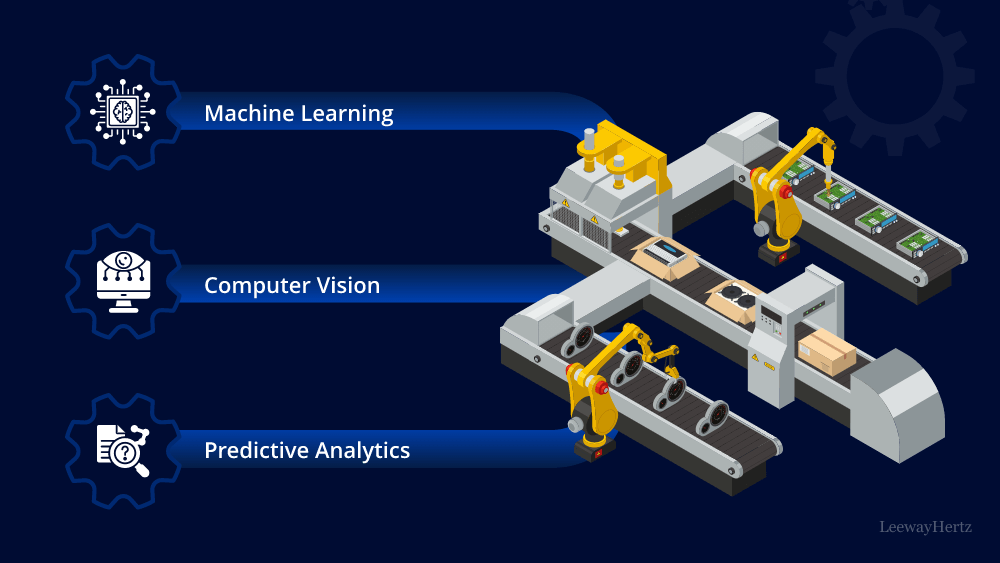
Understanding AI in Production Planning
AI in production planning refers to the use of artificial intelligence technologies to enhance the planning and scheduling processes in manufacturing. This encompasses a variety of tasks such as demand forecasting, inventory management, production scheduling, and quality control. AI systems can analyze vast amounts of data, identify patterns, and make informed decisions much faster and more accurately than traditional methods.
Enhancing Demand Forecasting
One of the critical aspects of production planning is demand forecasting. Accurate demand predictions allow manufacturers to produce the right amount of products, minimizing both excess inventory and stockouts. AI-driven algorithms can analyze historical sales data, market trends, and external factors such as economic indicators and seasonal variations to generate precise demand forecasts.
For instance, machine learning models can continuously learn from new data, improving their accuracy over time. This dynamic approach ensures that the forecasts are always up-to-date, enabling companies to respond swiftly to market changes. The result is a more efficient production process with reduced waste and optimized resource utilization.
Optimizing Inventory Management
Inventory management is another area where AI in production planning can make a significant impact. Traditional inventory systems often struggle with maintaining the right balance between too much and too little stock. AI can address this challenge by providing real-time insights into inventory levels and suggesting optimal reorder points.
By analyzing data from various sources, including sales transactions, supplier lead times, and production schedules, AI systems can predict future inventory requirements with high accuracy. This ensures that materials and components are available when needed, preventing production delays and reducing carrying costs. Furthermore, AI can help identify slow-moving or obsolete inventory, allowing companies to take corrective actions and improve overall inventory turnover.
Streamlining Production Scheduling
Production scheduling is a complex task that involves coordinating various processes, machines, and labor to meet production targets. AI in production planning can significantly simplify this task by creating optimized schedules that maximize efficiency and minimize downtime.
Advanced AI algorithms can evaluate multiple variables such as machine availability, labor skills, and production deadlines to generate optimal schedules. These algorithms can also adapt to unexpected disruptions, such as machine breakdowns or supply chain delays, by re-optimizing the schedule in real-time. This flexibility ensures that production continues smoothly, maintaining high levels of productivity and customer satisfaction.
Improving Quality Control
Quality control is essential in manufacturing to ensure that products meet the required standards and specifications. AI in production planning can enhance quality control processes by identifying defects and inconsistencies at an early stage, reducing the risk of costly rework or recalls.
AI-powered vision systems, for example, can inspect products with greater precision and speed than human inspectors. These systems can detect even minor defects that may be overlooked by the human eye. Additionally, AI can analyze data from various stages of the production process to identify potential quality issues before they escalate. By implementing AI-driven quality control, manufacturers can achieve higher product quality, reduce waste, and enhance customer satisfaction.
The Future of AI in Production Planning
The future of AI in production planning looks promising, with continuous advancements in technology driving further improvements in efficiency and precision. As AI algorithms become more sophisticated, they will be able to handle even more complex tasks, such as predictive maintenance, where AI predicts equipment failures before they occur, reducing downtime and maintenance costs.
Moreover, the integration of AI with other emerging technologies, such as the Internet of Things (IoT) and blockchain, will create a more interconnected and transparent production environment. IoT devices can provide real-time data on machine performance and production conditions, while blockchain can enhance traceability and security in the supply chain. Combining these technologies with AI will enable manufacturers to achieve unprecedented levels of efficiency, flexibility, and responsiveness.
Conclusion
AI in production planning is transforming the manufacturing industry by enhancing demand forecasting, optimizing inventory management, streamlining production scheduling, and improving quality control. As technology continues to evolve, the adoption of AI in production planning will become increasingly crucial for companies seeking to stay competitive in the market. By embracing AI, manufacturers can achieve greater efficiency, reduce costs, and deliver higher-quality products to their customers, ultimately driving growth and success in the digital age.
 FinTech blogs
Leave a comment