Artificial Intelligence (AI) is no longer a futuristic concept confined to science fiction. Today, it plays a pivotal role in transforming various sectors, fundamentally altering the way decisions are made. This article explores the influence of AI in decision making, highlighting its benefits, challenges, and potential future developments.
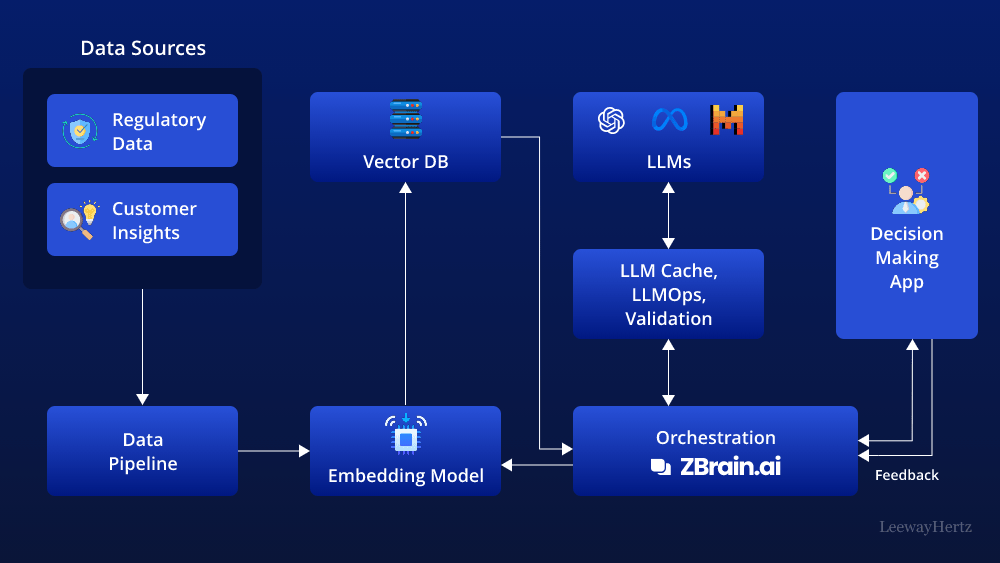
Understanding AI in Decision Making
AI in decision making refers to the use of machine learning algorithms, data analytics, and other AI technologies to assist or automate the decision-making process. These systems analyze large volumes of data, identify patterns, and provide insights or recommendations, enabling more informed and efficient decisions.
Benefits of AI in Decision Making
- Enhanced Accuracy and Efficiency One of the primary advantages of AI in decision making is its ability to process vast amounts of data with high accuracy and speed. Traditional decision-making processes often rely on human judgment, which can be prone to errors and biases. AI systems, on the other hand, use data-driven models that minimize these risks, leading to more precise outcomes.
- Cost Reduction AI technologies can significantly reduce operational costs by automating repetitive and time-consuming tasks. For instance, in manufacturing, AI-driven predictive maintenance can foresee equipment failures before they occur, preventing costly downtime and repairs.
- Improved Customer Experience In customer service, AI-powered chatbots and virtual assistants provide instant support, resolving queries quickly and efficiently. This not only enhances customer satisfaction but also frees up human agents to handle more complex issues.
- Data-Driven Insights AI systems can uncover hidden patterns and trends within data that may not be apparent through traditional analysis. This capability is particularly valuable in sectors like finance and healthcare, where data-driven insights can lead to better investment strategies or improved patient outcomes.
Applications of AI in Various Sectors
- Healthcare AI in decision making is revolutionizing healthcare by enabling personalized treatment plans and early diagnosis of diseases. For example, AI algorithms can analyze medical images to detect abnormalities with greater accuracy than human radiologists. Additionally, AI-driven predictive analytics can identify patients at high risk of developing certain conditions, allowing for early intervention.
- Finance In the financial sector, AI is used for fraud detection, risk management, and automated trading. Machine learning models can analyze transaction data in real-time to identify fraudulent activities, while AI-driven trading algorithms can make split-second decisions based on market trends, maximizing profits.
- Retail Retailers leverage AI to enhance inventory management, optimize pricing strategies, and improve customer experiences. AI systems can predict demand for products, ensuring that stores are stocked with the right items at the right time. Personalized marketing campaigns driven by AI can also boost sales by targeting customers with relevant offers.
- Transportation Autonomous vehicles are a prime example of AI in decision making within the transportation industry. These vehicles use AI to process sensor data and make real-time driving decisions, improving safety and efficiency on the roads. Additionally, AI-powered logistics systems optimize delivery routes, reducing fuel consumption and operational costs.
Challenges of AI in Decision Making
- Ethical Considerations The use of AI in decision making raises several ethical concerns. For instance, biases in AI algorithms can lead to unfair or discriminatory outcomes. Ensuring that AI systems are transparent and accountable is crucial to addressing these issues.
- Data Privacy and Security AI systems require access to large amounts of data, which can raise privacy and security concerns. Protecting sensitive information and ensuring compliance with data protection regulations is essential to maintaining public trust in AI technologies.
- Integration with Existing Systems Integrating AI with existing systems and processes can be challenging, particularly for organizations with legacy infrastructure. Ensuring seamless integration and interoperability is vital to maximizing the benefits of AI.
- Skill Gaps The implementation of AI in decision making requires specialized skills and expertise. Addressing the skill gaps through education and training programs is essential to enable organizations to fully leverage AI technologies.
The Future of AI in Decision Making
The future of AI in decision making holds immense potential. Advances in AI technologies are expected to further enhance the accuracy and efficiency of decision-making processes across various sectors. As AI systems become more sophisticated, they will be able to tackle increasingly complex problems, driving innovation and growth.
Additionally, the development of explainable AI (XAI) will address some of the ethical and transparency issues associated with current AI systems. XAI aims to make AI algorithms more understandable and interpretable, ensuring that decision-making processes are transparent and accountable.
Conclusion
AI in decision making is transforming industries by enhancing accuracy, efficiency, and cost-effectiveness. While there are challenges to overcome, the potential benefits of AI are vast. By addressing ethical, privacy, and integration issues, and bridging skill gaps, organizations can harness the power of AI to drive better decisions and achieve greater success. As AI continues to evolve, its role in decision making will only become more significant, paving the way for a future where data-driven insights and automation are integral to every aspect of business and life.
 FinTech blogs
Leave a comment