Introduction to AI for Regulatory Compliance
In today’s fast-paced, data-driven world, regulatory compliance has become more complex and demanding. Organizations must adhere to a myriad of regulations across different jurisdictions, ensuring that they operate within legal boundaries while maintaining efficient and profitable operations. Enter AI for regulatory compliance—a game-changer that is transforming how businesses manage and respond to regulatory requirements.
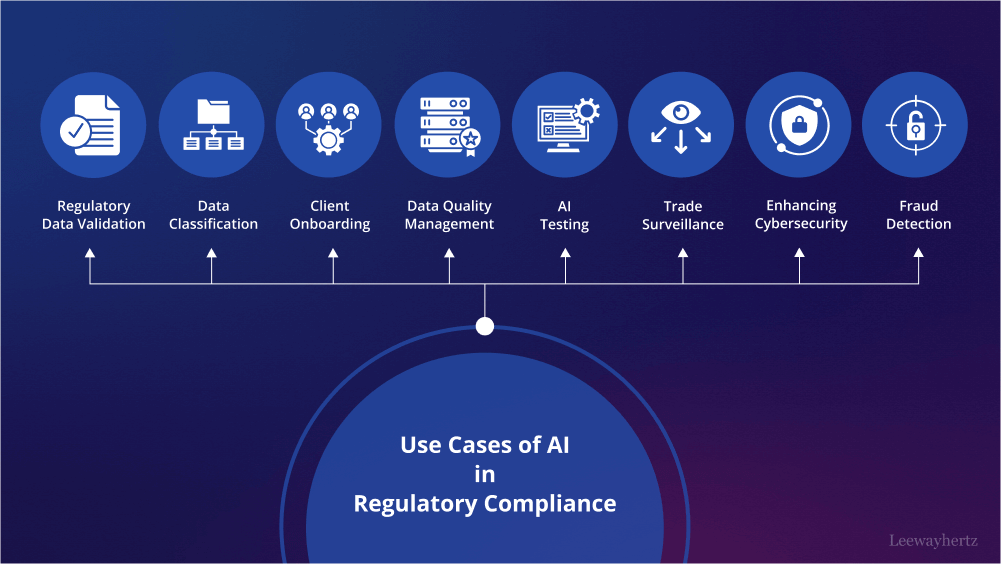
Understanding the Challenges of Regulatory Compliance
Regulatory compliance involves adhering to laws, regulations, guidelines, and specifications relevant to business operations. Non-compliance can lead to significant penalties, legal liabilities, and reputational damage. Traditional methods of compliance management often involve manual processes, which are time-consuming, prone to errors, and difficult to scale. As regulations evolve and increase in complexity, businesses face mounting pressure to stay compliant without overwhelming their resources.
The Role of AI in Regulatory Compliance
AI, or Artificial Intelligence, offers a powerful solution to the challenges of regulatory compliance. By leveraging machine learning algorithms, natural language processing, and data analytics, AI systems can automate, streamline, and enhance compliance processes.
Automating Compliance Monitoring
One of the primary advantages of AI for regulatory compliance is automation. AI systems can continuously monitor vast amounts of data from various sources, including regulatory updates, internal policies, and transaction records. This real-time monitoring allows businesses to detect potential compliance issues promptly, ensuring that corrective actions can be taken before problems escalate.
Enhancing Data Analysis and Reporting
AI excels at analyzing large datasets quickly and accurately. In regulatory compliance, this capability is invaluable. AI can identify patterns, anomalies, and trends within data that might indicate compliance risks. For example, in financial institutions, AI can analyze transaction data to detect suspicious activities indicative of money laundering or fraud. Additionally, AI can generate comprehensive compliance reports, reducing the burden on human employees and increasing the accuracy of the reports.
Streamlining Regulatory Updates
Regulations are constantly changing, and keeping up with these changes is a significant challenge for businesses. AI can help by automatically scanning and interpreting regulatory updates. Advanced natural language processing algorithms enable AI systems to understand the implications of new regulations and update compliance protocols accordingly. This proactive approach ensures that businesses remain compliant with the latest requirements.
Risk Management and Predictive Analytics
AI for regulatory compliance also extends to risk management. By analyzing historical data and current trends, AI can predict potential compliance risks and vulnerabilities. This predictive capability allows businesses to implement preventive measures, reducing the likelihood of regulatory breaches. For instance, AI can forecast potential operational risks in supply chains or financial risks in investment portfolios, enabling companies to make informed decisions and mitigate risks proactively.
Benefits of AI for Regulatory Compliance
The integration of AI into regulatory compliance processes offers several significant benefits:
Increased Efficiency
AI automates routine compliance tasks, freeing up human resources to focus on more strategic activities. This increased efficiency leads to faster compliance processes and reduced operational costs.
Improved Accuracy
Human errors in compliance processes can lead to severe consequences. AI systems minimize these errors by providing consistent and accurate monitoring, analysis, and reporting.
Scalability
As businesses grow and expand, their compliance needs also increase. AI systems can scale effortlessly to handle larger volumes of data and more complex regulations, ensuring that compliance processes remain robust and effective.
Enhanced Decision-Making
With AI’s ability to analyze data and predict risks, businesses can make better-informed decisions. This proactive approach to compliance helps organizations stay ahead of regulatory changes and avoid potential pitfalls.
Cost Savings
By automating compliance tasks and reducing the risk of fines and penalties, AI can lead to substantial cost savings for businesses. Additionally, the improved efficiency and accuracy translate into lower operational expenses.
Real-World Applications of AI for Regulatory Compliance
Several industries are already leveraging AI to enhance their regulatory compliance efforts.
Financial Services
In the financial sector, AI is used to monitor transactions for suspicious activities, ensuring compliance with anti-money laundering (AML) and know-your-customer (KYC) regulations. AI systems analyze transaction patterns, flagging unusual behaviors that may indicate fraudulent activities.
Healthcare
Healthcare providers use AI to ensure compliance with regulations related to patient privacy, data security, and billing practices. AI helps in maintaining accurate patient records, detecting billing anomalies, and safeguarding sensitive health information.
Manufacturing
Manufacturers employ AI to comply with environmental regulations and quality standards. AI systems monitor production processes, ensuring that emissions and waste levels meet regulatory requirements, and that products adhere to safety and quality standards.
Conclusion: The Future of AI for Regulatory Compliance
AI for regulatory compliance is no longer a futuristic concept but a practical solution that is transforming industries today. As AI technology continues to advance, its role in compliance will only grow, offering even more sophisticated tools for managing regulatory requirements. Businesses that embrace AI for regulatory compliance will not only ensure they meet current standards but also position themselves to adapt swiftly to future regulatory landscapes. By leveraging AI, organizations can navigate the complexities of regulatory compliance with greater confidence, efficiency, and success.
 FinTech blogs
Leave a comment