In the fast-evolving landscape of modern business operations, the integration of Artificial Intelligence (AI) has become pivotal in enhancing efficiency and optimizing workflows. AI in business process automation is revolutionizing how organizations operate, offering unprecedented opportunities to streamline tasks, reduce costs, and elevate overall productivity.
Understanding AI in Business Process Automation
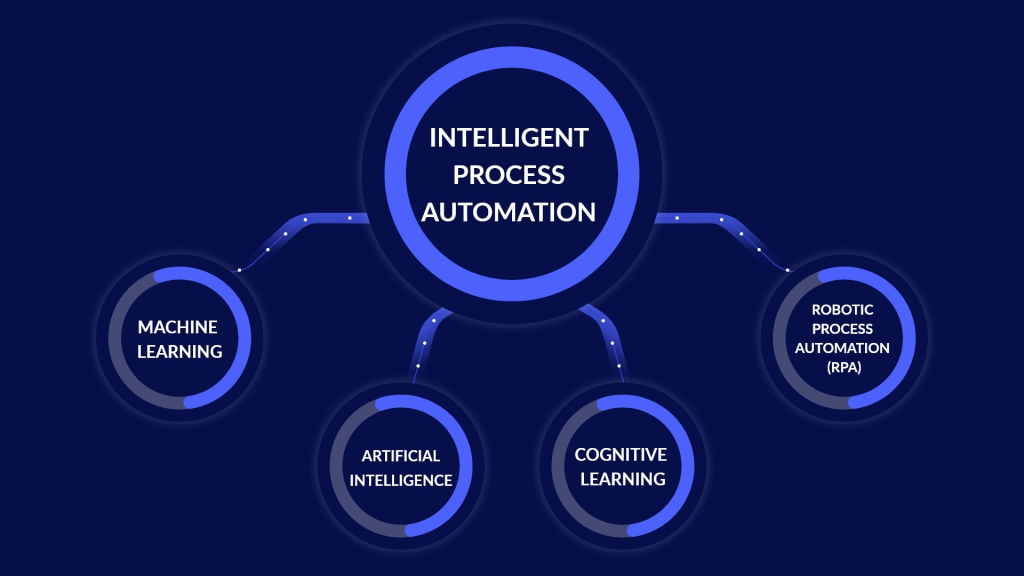
AI in business process automation refers to the deployment of artificial intelligence technologies to automate repetitive tasks, streamline complex workflows, and augment decision-making processes within organizations. This transformative approach leverages machine learning algorithms, natural language processing (NLP), and robotic process automation (RPA) to mimic human cognitive functions and execute tasks with precision and speed.
Enhancing Efficiency and Accuracy
One of the primary benefits of integrating AI into business processes is its ability to significantly enhance operational efficiency. Tasks that once required manual intervention or were prone to human error can now be automated with AI-powered systems. For instance, AI can automate data entry, invoice processing, customer support interactions, and even predictive analytics for demand forecasting. By reducing reliance on manual labor, businesses can allocate human resources to more strategic initiatives while ensuring accuracy and consistency in day-to-day operations.
Optimizing Decision-Making with AI Insights
AI doesn’t just automate tasks; it also empowers organizations to make informed decisions based on data-driven insights. Through advanced analytics and machine learning models, AI can analyze vast amounts of data to uncover patterns, trends, and correlations that human analysts might overlook. This capability is particularly valuable in sectors such as finance, marketing, and supply chain management, where timely and accurate decision-making can drive competitive advantage.
Improving Customer Experience and Engagement
In today’s hyper-competitive market, delivering exceptional customer experiences is crucial for sustaining business growth. AI plays a pivotal role in enhancing customer interactions by personalizing marketing campaigns, providing real-time customer support through chatbots, and predicting customer preferences. By leveraging AI-driven insights, businesses can tailor their offerings to meet individual customer needs, foster loyalty, and ultimately drive revenue growth.
Mitigating Risks and Ensuring Compliance
AI-powered automation not only improves operational efficiency but also strengthens risk management and regulatory compliance efforts. In industries such as healthcare and finance, where adherence to stringent regulations is paramount, AI algorithms can monitor transactions, detect anomalies, and flag potential compliance issues in real-time. By automating these processes, organizations can minimize risks, ensure regulatory compliance, and avoid costly penalties.
Challenges and Considerations
Despite its transformative potential, implementing AI in business process automation poses certain challenges. These include initial investment costs, integration complexities with existing IT infrastructure, and concerns surrounding data privacy and security. Moreover, the need for upskilling employees to work alongside AI systems underscores the importance of fostering a culture of continuous learning and adaptation within organizations.
Future Outlook: Evolving Landscape of AI in Business
Looking ahead, the role of AI in business process automation is expected to expand further. Advances in AI technologies, such as explainable AI and AI-driven decision support systems, will enable organizations to achieve even greater efficiencies and insights. Additionally, the democratization of AI tools and platforms will empower businesses of all sizes to harness the power of AI, driving innovation and competitiveness across industries.
Conclusion
In conclusion, AI in business process automation represents a paradigm shift in how organizations operate and compete in the global marketplace. By automating routine tasks, optimizing decision-making processes, and enhancing customer experiences, AI enables businesses to achieve operational excellence and sustainable growth. While challenges remain, the transformative benefits of AI are undeniable, paving the way for a future where intelligent automation is synonymous with business success.
In embracing AI, organizations not only streamline their operations but also position themselves at the forefront of innovation, ready to capitalize on emerging opportunities in an increasingly digital world. As AI continues to evolve, its integration into business processes will undoubtedly redefine industry standards and reshape the future of work.
 FinTech blogs
Leave a comment