Procurement is a critical function in any organization, encompassing the sourcing, purchasing, and management of goods and services. With the advent of technology, particularly Artificial Intelligence (AI), the procurement process is undergoing a significant transformation. This article explores how AI in procurement is reshaping the landscape, enhancing efficiency, accuracy, and strategic decision-making.
Understanding AI in Procurement
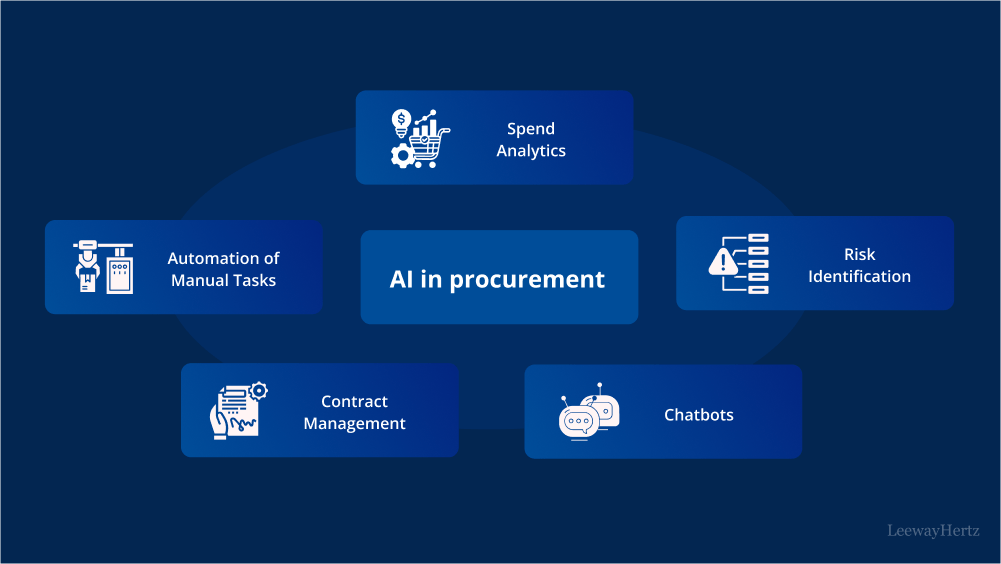
AI in procurement refers to the application of artificial intelligence technologies to streamline and optimize various procurement processes. These technologies include machine learning, natural language processing, robotic process automation (RPA), and data analytics. By leveraging AI, organizations can automate routine tasks, gain valuable insights from data, and make more informed decisions.
The Benefits of AI in Procurement
1. Automation of Routine Tasks
One of the most significant advantages of AI in procurement is the automation of repetitive and time-consuming tasks. Tasks such as invoice processing, purchase order creation, and contract management can be automated using AI-powered tools. This not only saves time but also reduces the risk of human error, leading to increased accuracy and efficiency.
2. Enhanced Data Analysis
AI can analyze vast amounts of data quickly and accurately. In procurement, this means better insights into spending patterns, supplier performance, and market trends. AI-powered analytics tools can identify cost-saving opportunities, detect anomalies, and provide predictive insights. This enables procurement professionals to make data-driven decisions, optimize spending, and improve overall procurement strategy.
3. Improved Supplier Management
Managing supplier relationships is a crucial aspect of procurement. AI can assist in evaluating supplier performance, identifying potential risks, and ensuring compliance with contracts. By analyzing data from various sources, AI can provide a comprehensive view of supplier performance and highlight areas for improvement. This leads to better collaboration, enhanced supplier relationships, and reduced supply chain risks.
4. Streamlined Sourcing and Contract Management
AI in procurement can streamline the sourcing process by automating supplier selection, negotiation, and contract management. AI-powered tools can analyze supplier proposals, compare bids, and recommend the best options based on predefined criteria. Additionally, AI can automate contract creation and management, ensuring compliance and reducing the time spent on administrative tasks.
Practical Applications of AI in Procurement
1. Spend Analysis
AI-powered spend analysis tools can categorize and analyze procurement data to identify spending patterns and trends. This helps organizations identify areas where they can reduce costs, negotiate better deals, and optimize their procurement strategy.
2. Predictive Analytics
Predictive analytics uses historical data to forecast future trends. In procurement, this means predicting demand, identifying potential supply chain disruptions, and planning for future needs. By leveraging predictive analytics, organizations can make proactive decisions and stay ahead of the competition.
3. Supplier Risk Management
AI can help organizations identify and mitigate supplier risks by analyzing data from various sources, such as financial reports, news articles, and social media. This enables procurement professionals to monitor supplier performance, identify potential risks, and take corrective actions before issues escalate.
4. Contract Compliance
AI-powered contract management tools can ensure compliance with contractual terms and conditions. These tools can automatically review contracts, identify non-compliance issues, and alert procurement professionals to take necessary actions. This reduces the risk of legal disputes and ensures that organizations meet their contractual obligations.
Challenges and Considerations
While AI in procurement offers numerous benefits, there are also challenges and considerations to keep in mind.
1. Data Quality
AI relies on accurate and high-quality data to provide reliable insights. Organizations must ensure that their data is clean, consistent, and up-to-date. Poor data quality can lead to incorrect analysis and flawed decision-making.
2. Integration with Existing Systems
Integrating AI tools with existing procurement systems can be complex and time-consuming. Organizations need to ensure that AI solutions are compatible with their current infrastructure and can seamlessly integrate with other enterprise systems.
3. Change Management
Implementing AI in procurement requires a cultural shift within the organization. Employees need to be trained on new technologies and processes, and there may be resistance to change. Effective change management strategies are crucial to ensure a smooth transition and maximize the benefits of AI.
The Future of AI in Procurement
The future of AI in procurement looks promising, with continuous advancements in technology and increasing adoption across industries. As AI becomes more sophisticated, we can expect even greater automation, more accurate predictions, and enhanced decision-making capabilities. Organizations that embrace AI in procurement will be better positioned to achieve cost savings, improve efficiency, and gain a competitive edge.
In conclusion, AI in procurement is transforming the way organizations source, purchase, and manage goods and services. By automating routine tasks, enhancing data analysis, improving supplier management, and streamlining sourcing and contract management, AI is revolutionizing procurement. However, organizations must address challenges related to data quality, integration, and change management to fully realize the benefits of AI. The future of procurement is undoubtedly AI-driven, and those who embrace this technology will reap the rewards of increased efficiency, cost savings, and strategic advantage.
 FinTech blogs
Leave a comment