Introduction: The Rise of AI Agents in Compliance
In today’s fast-paced business world, regulatory compliance is more critical than ever. As organizations grapple with complex regulations, they are turning to technology for solutions. One of the most promising advancements is the integration of AI agents in compliance. These sophisticated tools are redefining how businesses meet regulatory requirements, ensuring they adhere to laws while enhancing operational efficiency. In this article, we’ll explore how AI agents in compliance are changing the landscape of regulatory practices, and why their role is becoming indispensable.
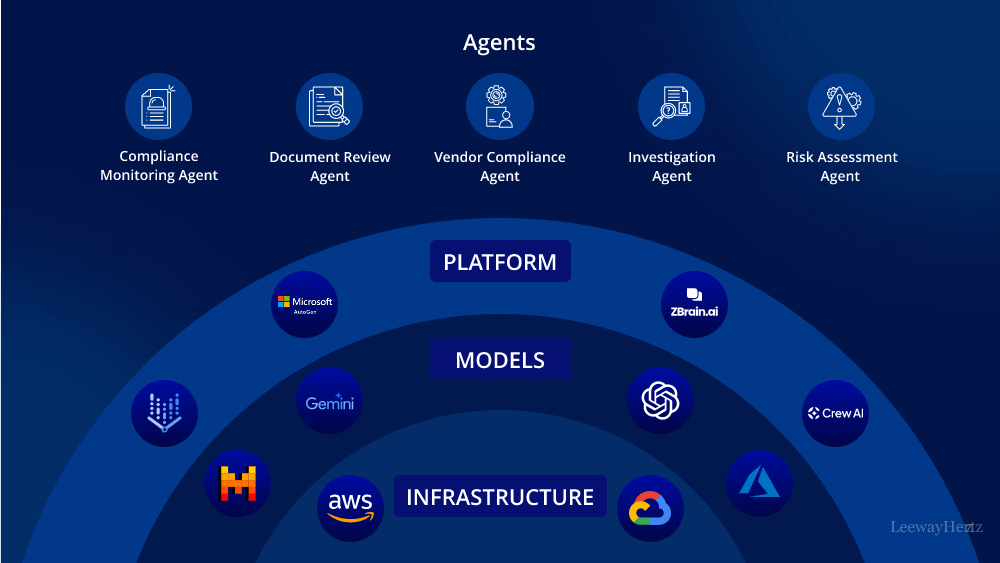
What Are AI Agents in Compliance?
AI agents in compliance are artificial intelligence-driven systems designed to assist organizations in meeting regulatory requirements. They use machine learning algorithms, natural language processing, and data analytics to monitor, analyze, and ensure compliance with various regulations. These AI-powered systems can handle a range of tasks, from detecting anomalies in financial transactions to ensuring data privacy standards are met.
Key Benefits of AI Agents in Compliance
- Enhanced Accuracy and Efficiency
One of the primary advantages of AI agents in compliance is their ability to process vast amounts of data with high accuracy. Traditional compliance processes often involve manual checks and can be prone to human error. AI agents, on the other hand, can analyze data in real-time, identifying discrepancies and potential issues with greater precision. This not only reduces the risk of compliance breaches but also enhances overall efficiency.
- Real-Time Monitoring and Reporting
AI agents in compliance provide real-time monitoring of regulatory requirements. This capability allows organizations to promptly identify and address compliance issues before they escalate. With continuous oversight, businesses can generate instant reports and maintain a proactive approach to compliance. This real-time capability is especially beneficial in industries where regulations frequently change or where immediate response is crucial.
- Cost Savings
Implementing AI agents in compliance can lead to significant cost savings. By automating routine compliance tasks, organizations can reduce the need for extensive manual labor and minimize the risk of costly fines due to non-compliance. AI systems can handle repetitive tasks efficiently, allowing compliance teams to focus on more strategic activities.
How AI Agents in Compliance Work
AI agents in compliance operate through a combination of advanced technologies:
- Machine Learning: These systems learn from historical data and patterns to predict and identify potential compliance issues. As they are exposed to more data, their accuracy and efficiency improve.
- Natural Language Processing (NLP): NLP enables AI agents to understand and interpret regulatory documents, policies, and legal language. This capability allows them to ensure that organizational practices align with current regulations.
- Data Analytics: AI agents analyze large datasets to detect anomalies, trends, and patterns that could indicate compliance risks. This analysis helps organizations address issues before they become significant problems.
Challenges and Considerations
While AI agents in compliance offer numerous benefits, there are also challenges to consider:
- Data Privacy and Security: AI systems handle sensitive information, making data privacy and security a critical concern. Organizations must ensure that their AI agents comply with data protection regulations and that their systems are secure from cyber threats.
- Integration with Existing Systems: Implementing AI agents in compliance requires seamless integration with existing systems and processes. This can be complex and may require significant investment in technology and training.
- Regulatory Uncertainty: As AI technology evolves, regulatory bodies may introduce new rules and standards. Organizations must stay informed about regulatory changes to ensure their AI systems remain compliant.
Case Studies: Success Stories with AI Agents in Compliance
Several companies have successfully integrated AI agents in compliance to enhance their regulatory practices:
- Financial Sector: A major financial institution implemented AI agents to monitor transactions for suspicious activities. The system significantly reduced the number of false positives and improved the accuracy of fraud detection, leading to greater compliance with anti-money laundering regulations.
- Healthcare Industry: A healthcare provider used AI agents to manage patient data in accordance with privacy regulations. The system automated compliance checks and ensured that patient information was handled securely, reducing the risk of data breaches.
The Future of AI Agents in Compliance
The role of AI agents in compliance is expected to grow as technology continues to advance. Future developments may include more sophisticated algorithms, greater integration with other technologies, and enhanced capabilities for predictive analytics. As organizations increasingly rely on AI for compliance, it will be essential to stay abreast of technological innovations and regulatory updates.
Conclusion: Embracing AI Agents in Compliance
AI agents in compliance are revolutionizing how organizations approach regulatory requirements. By offering enhanced accuracy, real-time monitoring, and cost savings, these tools are becoming essential in maintaining compliance in a complex regulatory environment. As technology evolves, AI agents will play an even more significant role in ensuring that businesses can navigate the regulatory landscape efficiently and effectively. Embracing these advancements will not only streamline compliance processes but also position organizations for future success in an ever-changing regulatory world.
 FinTech blogs
Leave a comment