In the rapidly evolving world of artificial intelligence, having a custom-built Language Learning Model (LLM) can give your organization a competitive edge. This guide will walk you through how to build a private LLM, ensuring your model is tailored to your specific needs while maintaining privacy and security.
What is a Private LLM?
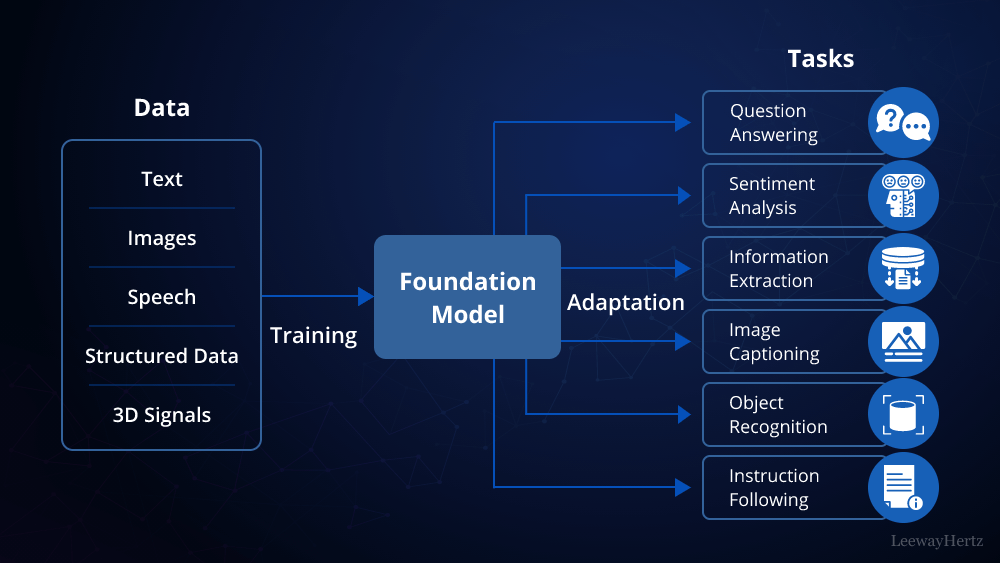
A Private Language Learning Model (LLM) is a custom-built AI model designed to process, understand, and generate human language. Unlike public models, a private LLM is built and trained on data exclusive to your organization, ensuring that sensitive information remains secure.
Why Build a Private LLM?
Before diving into how to build a private LLM, it’s important to understand why you might want to build one:
- Data Privacy: By building a private LLM, you retain control over your data, ensuring it doesn’t get exposed to external entities.
- Customization: Tailor the LLM to meet the specific needs and nuances of your industry or organization.
- Performance: Optimize the model to perform efficiently with your unique datasets, resulting in better performance and accuracy.
Step-by-Step Guide on How to Build a Private LLM
Step 1: Define Your Objectives
The first step in how to build a private LLM is to clearly define what you aim to achieve with your model. This involves identifying the specific tasks your LLM will perform, such as text generation, sentiment analysis, or language translation.
Step 2: Gather and Prepare Data
Data is the backbone of any LLM. For a private LLM, you need to gather relevant and high-quality data from your organization. This can include emails, reports, customer interactions, and more. Ensure that the data is clean and properly formatted before training.
Step 3: Choose the Right Framework and Tools
Selecting the right framework is crucial in the process of how to build a private LLM. Popular frameworks include TensorFlow, PyTorch, and Hugging Face’s Transformers. These tools offer extensive libraries and support, making it easier to develop and fine-tune your model.
Step 4: Model Architecture
Choose an appropriate model architecture based on your objectives. Transformer-based architectures like GPT-3, BERT, or custom variations are commonly used for building LLMs. Ensure that the architecture aligns with your performance and scalability requirements.
Step 5: Training the Model
Training a private LLM requires significant computational resources. Utilize GPUs or TPUs to accelerate the training process. During training, monitor the model’s performance and make necessary adjustments to parameters and hyperparameters to improve accuracy and efficiency.
Step 6: Fine-Tuning
Fine-tuning involves adjusting the model on a specific task using a smaller, specialized dataset. This step is essential in how to build a private LLM as it allows your model to perform exceptionally well on tasks specific to your organization.
Step 7: Validation and Testing
After training, rigorously test your LLM to ensure it meets your performance standards. Use a separate validation dataset to check for overfitting and other potential issues. Validate the model’s outputs to ensure they are accurate and reliable.
Step 8: Deployment
Once your private LLM is trained and validated, it’s time to deploy it. Choose a secure and scalable infrastructure for deployment, such as cloud services or on-premises servers. Ensure that the deployment environment supports the performance requirements of your LLM.
Step 9: Monitoring and Maintenance
Building a private LLM is not a one-time task. Continuous monitoring and maintenance are essential to keep your model up-to-date and functioning optimally. Regularly retrain the model with new data and update it to handle evolving language patterns and user needs.
Challenges and Considerations
When learning how to build a private LLM, it’s important to be aware of potential challenges:
- Data Quality: Ensuring high-quality data is essential for effective model training.
- Resource Intensive: Training LLMs requires substantial computational resources and time.
- Expertise: Building and maintaining LLMs requires specialized knowledge in machine learning and natural language processing.
- Ethical Considerations: Ensure that your LLM adheres to ethical guidelines and does not propagate biases or misinformation.
Conclusion
Understanding how to build a private LLM involves a clear objective, high-quality data, the right tools, and ongoing maintenance. By following this step-by-step guide, you can develop a robust and secure LLM tailored to your organization’s unique needs, ensuring privacy, customization, and optimal performance. As the AI landscape continues to evolve, having a private LLM can provide a significant advantage in processing and understanding language data specific to your domain.
 FinTech blogs
Leave a comment