Introduction
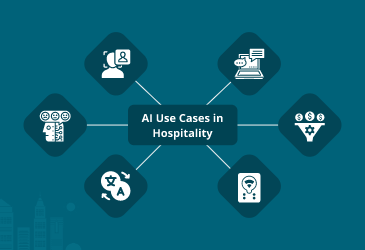
Artificial Intelligence (AI) in hospitality is rapidly revolutionizing the industry, offering innovative solutions that enhance guest experiences, streamline operations, and boost efficiency. As hotels and restaurants adopt AI technologies, they are discovering new ways to provide exceptional service and stay competitive in a fast-evolving market. This article explores the various applications of AI in hospitality and how these technologies are reshaping the industry.
1. Enhancing Guest Experiences with AI
One of the most significant impacts of AI in hospitality is the enhancement of guest experiences. AI-powered tools are helping hotels and restaurants create personalized and seamless interactions for their guests.
- Personalized Recommendations: AI algorithms analyze guest data to provide tailored recommendations for dining, activities, and services. For instance, a hotel might suggest local attractions based on a guest’s previous stays or preferences.
- Virtual Assistants: AI chatbots and virtual assistants are increasingly used to handle guest inquiries, make reservations, and provide real-time information. These tools ensure that guests receive prompt and accurate responses, improving overall satisfaction.
- Voice-Activated Technology: In-room voice assistants powered by AI enable guests to control room features, request services, and get information simply by speaking. This convenience enhances the guest experience and adds a touch of modernity to accommodations.
2. Streamlining Operations through AI
AI in hospitality is also transforming back-end operations, leading to more efficient and cost-effective management of resources.
- Automated Check-In/Check-Out: AI-driven self-service kiosks and mobile check-in options reduce wait times and streamline the check-in and check-out processes. This technology helps hotels manage high volumes of guests with greater efficiency.
- Predictive Analytics: AI tools use predictive analytics to forecast demand, optimize pricing strategies, and manage inventory. By analyzing historical data and market trends, hotels can make informed decisions about room rates and availability, maximizing revenue.
- Staff Management: AI systems assist in scheduling and managing staff by analyzing peak times and employee performance. This ensures that hotels and restaurants are adequately staffed during busy periods while avoiding overstaffing during quieter times.
3. Enhancing Security and Safety with AI
Security and safety are paramount in the hospitality industry, and AI technologies play a crucial role in enhancing both.
- Surveillance Systems: AI-powered security cameras and surveillance systems can detect unusual behavior, identify potential threats, and alert security personnel in real-time. This proactive approach helps prevent incidents and ensures guest safety.
- Fraud Detection: AI algorithms can analyze transaction patterns to identify and prevent fraudulent activities. For instance, AI can flag suspicious transactions or irregular booking patterns, helping to protect both guests and the property.
- Emergency Response: AI systems can assist in managing emergency situations by providing real-time information and coordinating responses. For example, AI can help identify the fastest evacuation routes and provide emergency alerts to guests and staff.
4. Improving Food and Beverage Services with AI
The food and beverage sector within hospitality is also benefiting from AI innovations that enhance service quality and operational efficiency.
- Smart Kitchens: AI-driven kitchen appliances and systems can automate cooking processes, manage inventory, and ensure consistent quality. For example, smart ovens can adjust cooking times and temperatures based on the type of food being prepared.
- Menu Optimization: AI tools analyze guest preferences and sales data to optimize menus. By understanding which dishes are popular and which are not, restaurants can adjust their offerings to meet customer demands and reduce food waste.
- Supply Chain Management: AI can streamline supply chain logistics by predicting demand and managing inventory levels. This reduces the risk of overstocking or running out of essential ingredients, leading to cost savings and improved service quality.
5. The Future of AI in Hospitality
The future of AI in hospitality holds exciting possibilities as technology continues to advance.
- Advanced Personalization: Future AI systems will offer even more sophisticated personalization, including anticipatory service that predicts guests’ needs before they even make a request.
- Enhanced Interaction: As AI technologies evolve, interactions between guests and AI systems will become more natural and intuitive, providing a more seamless experience.
- Sustainability Initiatives: AI will play a key role in helping the hospitality industry achieve sustainability goals by optimizing energy use, reducing waste, and promoting eco-friendly practices.
Conclusion
AI in hospitality is transforming the industry by enhancing guest experiences, streamlining operations, improving security, and elevating food and beverage services. As hotels and restaurants continue to adopt and integrate AI technologies, they will be better equipped to meet the evolving demands of their guests and stay competitive in a dynamic market. The future of AI in hospitality promises even greater innovations, making it an exciting time for both industry professionals and travelers alike.
 FinTech blogs
Leave a comment