In recent years, the integration of AI in logistics and supply chain management has become a game-changer, driving efficiency and transforming traditional processes. This article explores how AI is revolutionizing logistics and supply chains, highlighting key use cases, applications, solutions, and implementation strategies.
The Role of AI in Logistics and Supply Chain
AI in logistics and supply chain is reshaping the way businesses operate by enhancing accuracy, efficiency, and decision-making. With AI technologies, companies can optimize their supply chains, reduce operational costs, and improve customer satisfaction. The application of AI in these sectors is broad, including everything from predictive analytics to autonomous vehicles.
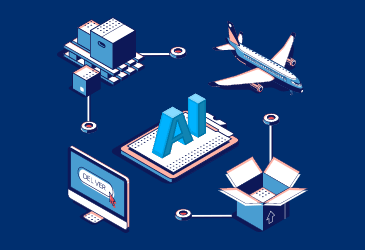
Key Use Cases of AI in Logistics and Supply Chain
- Predictive Analytics AI-driven predictive analytics is a powerful tool for anticipating future demands and trends. By analyzing historical data and identifying patterns, AI can forecast demand more accurately, helping businesses manage inventory levels and reduce stockouts or overstock situations. This capability is crucial for maintaining a balance between supply and demand.
- Route Optimization One of the most impactful applications of AI in logistics is route optimization. AI algorithms analyze traffic patterns, weather conditions, and delivery schedules to determine the most efficient routes. This not only reduces fuel consumption but also improves delivery times and customer satisfaction.
- Warehouse Automation AI enhances warehouse operations through automation. Robots equipped with AI can manage tasks such as picking, packing, and sorting with precision and speed. This minimizes human error, accelerates order fulfillment, and maximizes storage efficiency.
- Supply Chain Visibility AI improves supply chain visibility by providing real-time tracking and monitoring of goods. Machine learning models can analyze data from various sources to offer insights into potential disruptions and recommend proactive measures, ensuring smoother operations.
- Demand Forecasting Accurate demand forecasting is crucial for inventory management. AI tools analyze historical sales data, market trends, and external factors to predict future demand, helping companies align their inventory levels with market needs and minimize excess stock.
Applications of AI in Logistics and Supply Chain
- Chatbots and Virtual Assistants AI-powered chatbots and virtual assistants enhance customer service by providing instant support and information. They can handle inquiries, track shipments, and assist with order management, freeing up human resources for more complex tasks.
- Autonomous Vehicles Self-driving trucks and drones are revolutionizing transportation and delivery. AI technologies enable these vehicles to navigate roads, avoid obstacles, and deliver goods efficiently. This reduces the reliance on human drivers and addresses labor shortages in the logistics industry.
- Smart Forecasting Tools AI-based forecasting tools analyze vast amounts of data to predict future trends. These tools help businesses make informed decisions about inventory, production schedules, and procurement, leading to better resource management and cost savings.
- Fraud Detection AI algorithms can detect anomalies and potential fraud in supply chain transactions. By analyzing transaction patterns and flagging unusual activities, AI helps prevent fraud and ensures the integrity of the supply chain.
Solutions for Implementing AI in Logistics and Supply Chain
- Data Integration Effective AI implementation starts with integrating data from various sources. Companies should ensure that their data is clean, accurate, and accessible. This involves consolidating information from suppliers, customers, and internal systems to provide a comprehensive view of the supply chain.
- Choosing the Right AI Tools Selecting the appropriate AI tools is crucial for successful implementation. Companies should evaluate tools based on their specific needs, such as predictive analytics, route optimization, or warehouse automation. It’s essential to choose solutions that align with business goals and can scale with future growth.
- Training and Change Management Implementing AI in logistics and supply chain requires a cultural shift within the organization. Employees need to be trained to work with new technologies, and change management strategies should be in place to facilitate a smooth transition. This includes communicating the benefits of AI and addressing any concerns.
- Continuous Monitoring and Improvement AI systems should be continuously monitored and optimized to ensure they deliver the desired results. Regularly reviewing performance metrics, gathering feedback, and making necessary adjustments are key to maintaining the effectiveness of AI solutions.
- Partnerships and Collaboration Collaborating with AI vendors and technology partners can provide valuable expertise and support. Companies should seek partnerships with organizations that have a proven track record in AI solutions for logistics and supply chains. These partnerships can offer insights, resources, and technologies that enhance implementation efforts.
Conclusion
The integration of AI in logistics and supply chain management offers significant benefits, including improved efficiency, cost savings, and enhanced customer satisfaction. By leveraging AI for predictive analytics, route optimization, warehouse automation, and other applications, businesses can transform their operations and stay competitive in an increasingly complex market. Successful implementation requires careful planning, data integration, and ongoing monitoring, but the rewards are well worth the effort. Embracing AI in logistics and supply chain is not just a trend but a strategic move towards a more efficient and responsive future.
 FinTech blogs
Leave a comment