Introduction to Generative AI Models
Generative AI models are revolutionizing the way we interact with technology and creativity. Unlike traditional AI, which focuses on analyzing and categorizing data, generative AI models are designed to create new content. This includes generating text, images, music, and more, based on the patterns they have learned from existing data. These models are at the forefront of innovation, offering exciting possibilities for various industries.
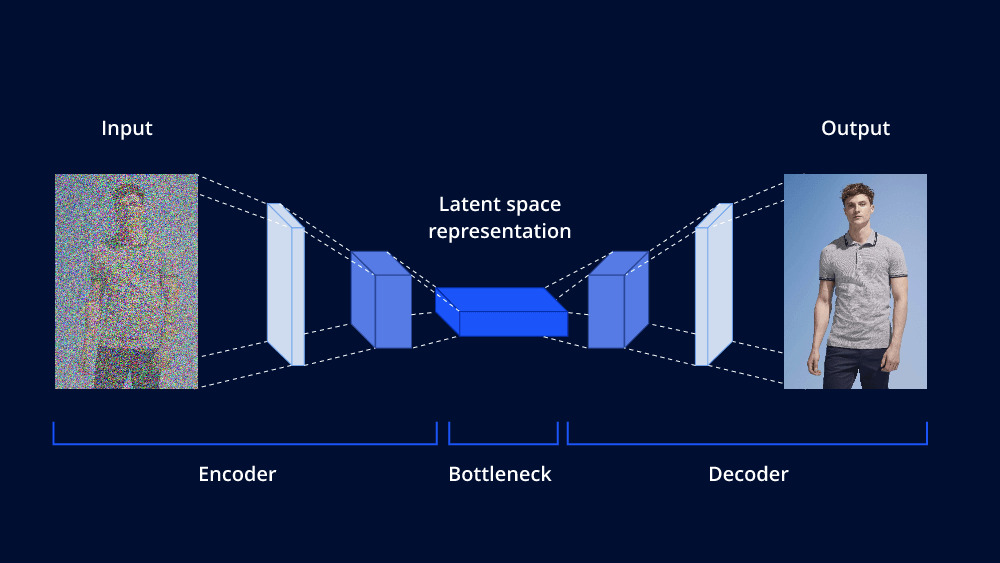
What Are Generative AI Models?
Generative AI models refer to a class of artificial intelligence systems that generate new content. Unlike discriminative models, which classify input data into categories, generative models aim to create novel outputs. These models learn from a vast amount of data and generate content that resembles the training data but is unique. Key examples include Generative Adversarial Networks (GANs) and Variational Autoencoders (VAEs), both of which have made significant impacts in fields like art and design.
Applications of Generative AI Models
Generative AI models have diverse applications across multiple domains. Here are some notable examples:
- Content Creation: In the realm of digital content, generative AI models are used to create realistic images, videos, and text. For instance, AI can generate human-like text for articles, assist in writing novels, or produce engaging social media content.
- Art and Design: Artists and designers are leveraging generative AI models to produce innovative artwork and design concepts. These models can generate new visual styles, create art pieces, and even assist in designing fashion items.
- Music Composition: Music production has also benefited from generative AI models. AI can compose original music tracks, suggest melodies, and even create new genres of music. This opens up opportunities for musicians and composers to explore novel sounds and styles.
- Gaming: In the gaming industry, generative AI models are used to create realistic game environments, characters, and storylines. This enhances the gaming experience by providing players with dynamic and immersive worlds.
How Generative AI Models Work
Generative AI models operate by learning patterns from large datasets and then using this knowledge to generate new content. The process typically involves two main components:
- Training: The model is trained on a dataset containing examples of the type of content it will generate. For instance, if the goal is to create art, the model is trained on thousands of art pieces. During training, the model learns the underlying patterns and structures of the data.
- Generation: Once trained, the model can generate new content by sampling from the learned patterns. This involves creating outputs that resemble the training data but are distinct and original. The generated content can then be refined and adjusted based on specific requirements or preferences.
Challenges and Limitations of Generative AI Models
Despite their capabilities, generative AI models face several challenges and limitations:
- Data Bias: The quality of the generated content depends heavily on the data used for training. If the training data contains biases or inaccuracies, these issues can be reflected in the generated content. Ensuring diverse and representative datasets is crucial for mitigating bias.
- Quality Control: While generative AI models can create impressive results, the quality of the output may not always meet expectations. Fine-tuning and refining the models are necessary to achieve high-quality results.
- Ethical Concerns: The ability of generative AI models to create realistic content raises ethical concerns. Issues such as deepfakes and misinformation need to be addressed to prevent misuse of the technology.
- Computational Resources: Training and running generative AI models can be resource-intensive. They require significant computational power and storage, which may be a barrier for some users and organizations.
The Future of Generative AI Models
The future of generative AI models is promising, with ongoing advancements expected to enhance their capabilities and applications. Researchers are continually developing new techniques to improve the quality of generated content and address existing challenges. As the technology evolves, generative AI models are likely to become more accessible and integrated into various aspects of daily life and industry.
Conclusion
Generative AI models are transforming technology and creativity by enabling the creation of novel content across different domains. From content creation and art to music and gaming, these models offer exciting possibilities and opportunities. However, it is essential to address challenges such as data bias, quality control, and ethical concerns to fully harness the potential of generative AI models. As advancements continue, these models will play an increasingly significant role in shaping the future of technology and creative expression.
In summary, generative AI models are at the cutting edge of artificial intelligence, offering innovative solutions and inspiring new forms of creativity. Their impact is already being felt across various industries, and their potential for future applications is vast.
 FinTech blogs
Leave a comment