Understanding AI-Ready Data
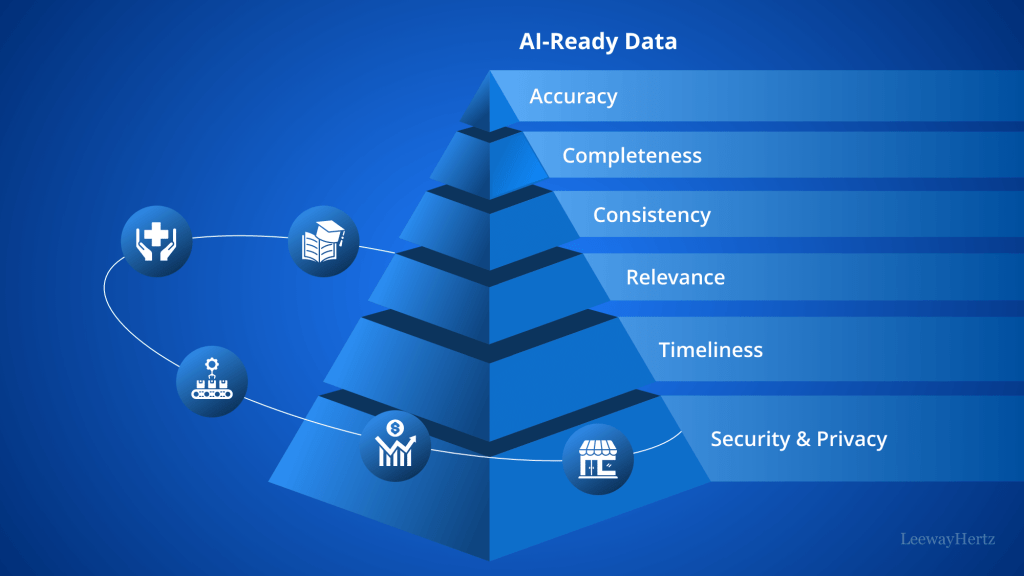
In the age of artificial intelligence (AI), data is the new gold. However, to harness the full potential of AI, the data must be AI-ready. This term refers to data that is well-prepared for use in AI models and applications, ensuring that it is accurate, relevant, and in a format that AI systems can easily process. Achieving AI-ready data involves addressing several roadblocks, adopting best practices, and leveraging the right tools and technologies. Here’s a comprehensive guide to understanding and optimizing AI-ready data.
Roadblocks to Achieving AI-Ready Data
1. Data Quality Issues
One of the most significant roadblocks in preparing AI-ready data is ensuring data quality. Inaccurate, incomplete, or outdated data can lead to unreliable AI models. For instance, if an AI system is trained on data with many errors, it can produce faulty predictions, undermining the effectiveness of the AI solution.
2. Data Silos
Data silos occur when data is isolated in different departments or systems, making it challenging to consolidate and analyze. This fragmentation prevents a comprehensive view of the data, which is crucial for building robust AI models.
3. Privacy and Security Concerns
AI-ready data must comply with data privacy regulations such as GDPR and CCPA. Ensuring that data is anonymized and secured is essential to avoid legal issues and protect user privacy.
Best Practices for Preparing AI-Ready Data
1. Data Cleaning and Validation
To ensure data is AI-ready, it must be cleaned and validated. This involves removing duplicates, correcting errors, and validating data accuracy. Employing automated data cleaning tools can streamline this process and enhance data quality.
2. Data Integration
Integrating data from various sources is crucial for a comprehensive dataset. Using data integration tools and platforms can help consolidate information from different systems, breaking down data silos and creating a unified dataset for AI.
3. Data Annotation
AI models, especially in machine learning, require annotated data to learn effectively. Data annotation involves labeling data with relevant tags, which helps the AI system understand and categorize the information correctly.
4. Ensuring Compliance
Make sure your data practices align with legal and ethical standards. Implementing data governance policies and privacy protection measures ensures that AI-ready data is handled responsibly.
Benefits of AI-Ready Data
1. Improved AI Model Accuracy
AI-ready data enhances the accuracy of AI models by providing high-quality, well-organized information. Accurate data leads to better-trained models, resulting in more reliable predictions and insights.
2. Faster Time-to-Market
With AI-ready data, businesses can accelerate the development and deployment of AI solutions. Efficient data preparation speeds up the training phase, allowing organizations to quickly leverage AI for competitive advantage.
3. Enhanced Decision-Making
AI-ready data provides a solid foundation for making data-driven decisions. By analyzing comprehensive and accurate datasets, businesses can uncover valuable insights and make informed strategic choices.
Applications of AI-Ready Data
1. Customer Insights
AI-ready data is invaluable for understanding customer behavior and preferences. Businesses can use AI to analyze customer data and generate personalized recommendations, improving customer satisfaction and engagement.
2. Predictive Maintenance
In industries such as manufacturing and transportation, AI-ready data enables predictive maintenance. By analyzing sensor data and historical performance, AI models can predict equipment failures and schedule maintenance, reducing downtime and costs.
3. Healthcare Analytics
AI-ready data plays a crucial role in healthcare analytics. It can be used to analyze patient records, predict disease outbreaks, and personalize treatment plans, ultimately enhancing patient care and outcomes.
Tools and Technologies for AI-Ready Data
1. Data Preparation Tools
Tools such as Alteryx, Talend, and Trifacta offer robust data preparation capabilities. They facilitate data cleaning, transformation, and integration, making the data AI-ready.
2. Data Annotation Platforms
Platforms like Labelbox and Supervisely provide comprehensive data annotation services. They help in labeling data for machine learning applications, ensuring that AI models receive high-quality training data.
3. Data Governance Solutions
Tools like Collibra and Informatica assist in managing data governance and compliance. They ensure that data is handled according to regulations and organizational policies, maintaining the integrity of AI-ready data.
Future Trends in AI-Ready Data
1. Increased Use of Automated Data Preparation
The future of AI-ready data involves greater automation in data preparation. Advanced AI tools will increasingly handle data cleaning, integration, and annotation, further streamlining the process and improving efficiency.
2. Evolution of Data Privacy Technologies
As data privacy concerns grow, innovations in privacy-preserving technologies will become more prominent. Techniques such as federated learning and differential privacy will help in creating AI-ready data while protecting user privacy.
3. Integration of Real-Time Data
The trend towards real-time data processing will shape the future of AI-ready data. Real-time data integration will enable AI systems to make instant decisions and provide up-to-date insights, enhancing responsiveness and adaptability.
Conclusion
Preparing AI-ready data is essential for leveraging the power of artificial intelligence. By overcoming roadblocks, adopting best practices, and using the right tools and technologies, organizations can maximize the benefits of AI-ready data. As AI continues to evolve, staying informed about future trends will ensure that your data remains an invaluable asset in the AI-driven landscape.
 FinTech blogs
Leave a comment