In recent years, the integration of artificial intelligence (AI) in procurement has revolutionized how businesses manage their supply chains. AI in procurement is no longer a futuristic concept but a present-day reality that is reshaping the industry. This article explores how AI is transforming procurement processes, the benefits it offers, and its potential future impacts.
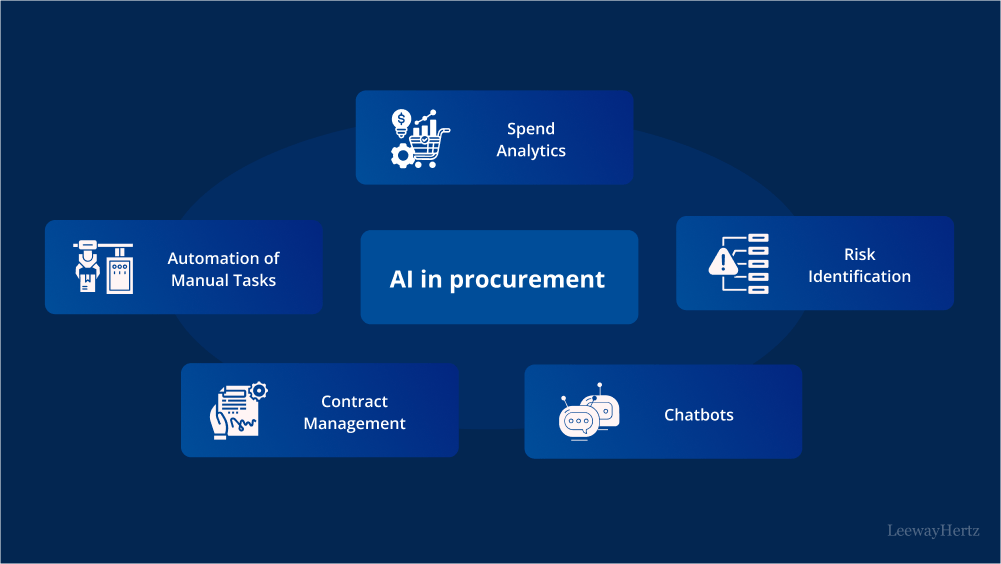
The Rise of AI in Procurement
Artificial intelligence has gradually made its way into various business functions, and procurement is no exception. AI in procurement involves the use of machine learning algorithms, natural language processing, and other AI technologies to optimize and automate procurement processes. This transformation is driven by the need for greater efficiency, accuracy, and strategic decision-making in supply chain management.
Key Benefits of AI in Procurement
Enhanced Data Analysis
One of the most significant advantages of AI in procurement is its ability to analyze vast amounts of data quickly and accurately. Traditional procurement methods often involve manual data entry and analysis, which can be time-consuming and prone to errors. AI-powered systems can process data from various sources, including supplier databases, market trends, and historical procurement records, to provide actionable insights. This allows procurement professionals to make informed decisions based on real-time data.
Improved Supplier Management
Managing suppliers is a critical aspect of procurement, and AI is making this process more efficient. AI in procurement can help identify the best suppliers by analyzing factors such as delivery performance, quality metrics, and pricing. Predictive analytics can also forecast potential supply chain disruptions, enabling businesses to proactively address issues before they escalate. This leads to stronger supplier relationships and a more resilient supply chain.
Cost Reduction
AI in procurement can significantly reduce costs by optimizing procurement strategies and identifying cost-saving opportunities. Automated systems can analyze spending patterns and identify areas where costs can be reduced or where more favorable terms can be negotiated with suppliers. Additionally, AI can streamline procurement processes, reducing the need for manual intervention and thus lowering administrative costs.
Process Automation
Automation is a key component of AI in procurement. Routine tasks such as purchase order creation, invoice processing, and contract management can be automated using AI technologies. This not only speeds up these processes but also reduces the risk of human error. Automation allows procurement professionals to focus on more strategic tasks, such as supplier negotiation and strategic sourcing.
AI in Procurement: Real-World Applications
Predictive Analytics for Demand Forecasting
Predictive analytics is one of the most valuable applications of AI in procurement. By analyzing historical data and current market trends, AI systems can forecast future demand with high accuracy. This helps businesses adjust their procurement strategies to meet anticipated demand, reduce inventory holding costs, and avoid stockouts or overstock situations.
Smart Contract Management
AI in procurement is also revolutionizing contract management through smart contracts. Smart contracts are self-executing contracts with the terms of the agreement directly written into code. AI can monitor contract performance and ensure that all parties meet their obligations. This reduces the risk of disputes and ensures compliance with contractual terms.
Supplier Risk Management
AI technologies can assess and mitigate supplier risk by analyzing various risk factors, including financial stability, geopolitical issues, and supply chain disruptions. AI in procurement helps businesses proactively manage these risks by providing early warnings and suggesting alternative suppliers or strategies to mitigate potential issues.
Challenges and Considerations
Data Privacy and Security
While AI in procurement offers numerous benefits, it also raises concerns about data privacy and security. The extensive data analysis required by AI systems means that sensitive information must be protected against unauthorized access and breaches. Businesses need to ensure that they comply with data protection regulations and implement robust security measures.
Integration with Existing Systems
Integrating AI solutions with existing procurement systems can be challenging. Businesses need to ensure that AI technologies are compatible with their current systems and processes. This may require significant investment in technology and training to ensure a smooth transition.
Change Management
The adoption of AI in procurement often involves significant changes to existing processes and workflows. Effective change management is crucial to ensure that employees are trained and comfortable with new technologies. Resistance to change can hinder the successful implementation of AI solutions.
The Future of AI in Procurement
As technology continues to advance, the role of AI in procurement is expected to grow. Future developments may include even more sophisticated predictive analytics, advanced automation capabilities, and greater integration with other digital technologies. Businesses that embrace AI in procurement will be well-positioned to achieve greater efficiency, cost savings, and competitive advantage.
In conclusion, AI in procurement is transforming how businesses manage their supply chains by enhancing data analysis, improving supplier management, reducing costs, and automating processes. While there are challenges to overcome, the benefits of AI in procurement are substantial. As technology evolves, the potential for AI to further revolutionize procurement practices is immense, offering exciting opportunities for businesses to optimize their supply chain management and stay ahead in a competitive marketplace.
 FinTech blogs
Leave a comment