The advent of artificial intelligence (AI) has revolutionized many industries, and financial reporting is no exception. AI for financial reporting is reshaping how businesses manage and analyze their financial data, leading to more accurate, efficient, and insightful reporting processes. This article explores how AI is transforming financial reporting and what benefits it brings to businesses.
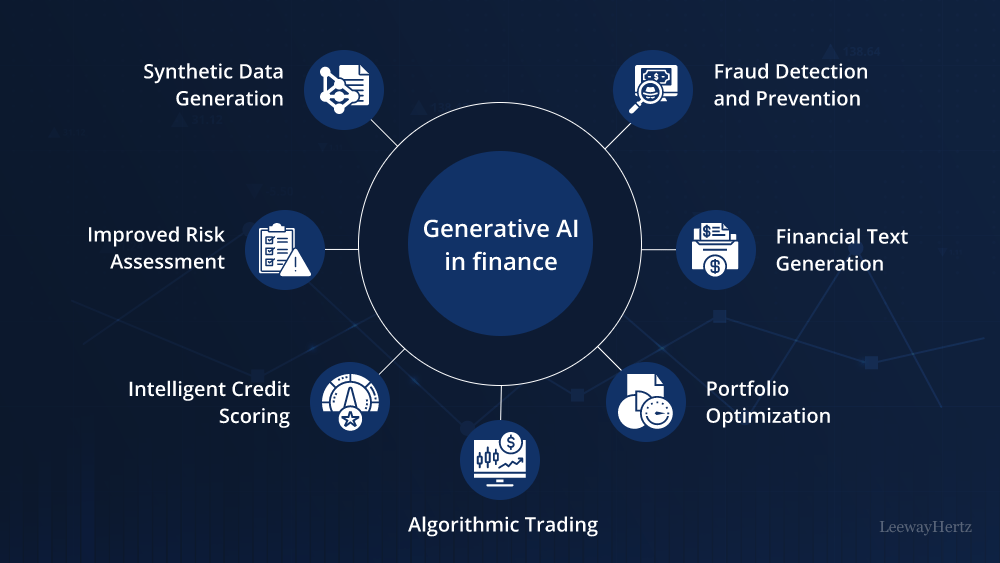
The Rise of AI in Financial Reporting
In recent years, AI for financial reporting has gained significant traction as organizations seek to enhance their reporting processes. Traditionally, financial reporting involved manual data entry, complex calculations, and time-consuming analysis. This not only increased the risk of human error but also required extensive labor and resources.
AI technology, however, is changing this landscape. By leveraging machine learning algorithms, natural language processing, and data analytics, AI can automate many of these tasks, reducing the reliance on manual effort and increasing the accuracy of financial reports.
How AI Enhances Financial Reporting Accuracy
One of the primary advantages of using AI for financial reporting is its ability to improve accuracy. AI systems can process vast amounts of data quickly and efficiently, identifying patterns and anomalies that might be missed by human analysts. This capability helps ensure that financial reports are based on accurate and up-to-date information.
For example, AI algorithms can automatically reconcile accounts, flagging discrepancies that require further investigation. This reduces the likelihood of errors in financial statements and helps maintain the integrity of financial reporting.
Additionally, AI tools can analyze historical data to forecast future trends, providing businesses with more reliable predictions and insights. This predictive capability is invaluable for budgeting, financial planning, and strategic decision-making.
Streamlining Financial Reporting Processes
AI for financial reporting not only enhances accuracy but also streamlines the reporting process itself. Traditional financial reporting often involves a series of manual tasks, such as data collection, consolidation, and report generation. These tasks can be time-consuming and prone to error.
AI systems can automate these processes, significantly reducing the time required to generate financial reports. For instance, AI-driven data integration tools can automatically pull data from various sources, consolidate it, and prepare it for analysis. This automation accelerates the reporting cycle and frees up valuable time for finance professionals to focus on more strategic activities.
Moreover, AI-powered tools can generate financial reports in real-time, allowing businesses to access up-to-date information at any moment. This real-time reporting capability is particularly useful for monitoring financial performance and making timely decisions.
Enhancing Data Analysis and Insights
Another significant benefit of AI for financial reporting is its ability to enhance data analysis and generate actionable insights. AI-driven analytics tools can process and analyze large datasets more efficiently than traditional methods. They can identify trends, correlations, and anomalies that provide deeper insights into financial performance.
For instance, AI can analyze customer transactions to uncover patterns in spending behavior, helping businesses identify opportunities for revenue growth or cost savings. Similarly, AI can assess market conditions and economic factors to provide more accurate forecasts and risk assessments.
By leveraging these insights, businesses can make more informed decisions, optimize their financial strategies, and ultimately improve their overall performance.
Addressing Challenges and Ensuring Compliance
While AI for financial reporting offers numerous benefits, it also presents certain challenges. One of the key concerns is ensuring that AI systems comply with regulatory standards and financial reporting requirements. Financial reports must adhere to specific guidelines and regulations, and it is crucial that AI tools are designed to meet these standards.
To address this challenge, businesses should ensure that their AI systems are regularly updated and validated to comply with the latest regulations. Additionally, incorporating human oversight into the AI-driven reporting process can help ensure that reports meet compliance standards and address any potential issues.
Another challenge is managing the integration of AI tools with existing financial systems. Businesses may need to invest in training and change management to effectively incorporate AI into their financial reporting processes. However, the long-term benefits of improved accuracy and efficiency often outweigh these initial challenges.
Future Outlook: The Evolution of AI in Financial Reporting
The use of AI for financial reporting is expected to continue evolving as technology advances. Emerging technologies, such as advanced machine learning models and blockchain, are likely to further enhance the capabilities of AI in financial reporting.
As AI systems become more sophisticated, they will offer even greater accuracy, efficiency, and insight. Businesses that adopt AI for financial reporting early will be well-positioned to gain a competitive advantage and drive their financial performance to new heights.
In conclusion, AI for financial reporting is transforming how businesses manage and analyze their financial data. By enhancing accuracy, streamlining processes, and providing valuable insights, AI is revolutionizing financial reporting and helping organizations achieve greater efficiency and effectiveness. As technology continues to evolve, the role of AI in financial reporting will become increasingly pivotal, shaping the future of financial management.
 FinTech blogs
Leave a comment