Introduction: The Rise of AI in Financial Reporting
In recent years, AI for financial reporting has emerged as a transformative force in the finance industry. With the increasing complexity of financial data and the demand for real-time insights, AI technologies offer unprecedented opportunities to enhance accuracy, efficiency, and strategic decision-making. This article explores how AI for financial reporting is reshaping the landscape of financial management and what it means for businesses today.
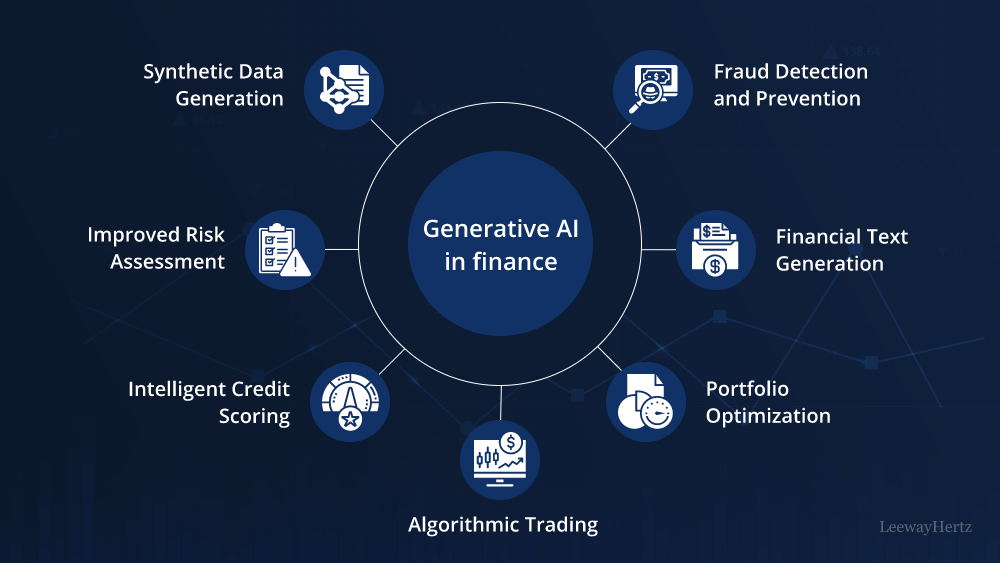
Understanding AI for Financial Reporting
Artificial Intelligence (AI) refers to the simulation of human intelligence in machines programmed to think and learn. In the context of financial reporting, AI encompasses a range of technologies, including machine learning, natural language processing (NLP), and predictive analytics. These tools analyze vast amounts of financial data, identify patterns, and generate actionable insights that would be challenging to uncover through traditional methods.
1. Streamlining Data Processing
One of the most significant advantages of AI for financial reporting is its ability to streamline data processing. Financial reports traditionally involve extensive data collection, validation, and aggregation. AI-powered systems can automate these tasks, drastically reducing the time and effort required. For instance, machine learning algorithms can quickly sift through large volumes of transactional data, flagging anomalies and ensuring data accuracy. This automation not only speeds up the reporting process but also minimizes human error, leading to more reliable financial statements.
2. Enhancing Accuracy and Compliance
Accuracy and compliance are critical in financial reporting. AI tools can enhance both by continuously monitoring and analyzing data. For example, AI-driven software can cross-check financial transactions against regulatory requirements and internal policies, ensuring that reports comply with accounting standards and legal regulations. Additionally, natural language processing can assist in reviewing narrative sections of financial reports, identifying potential discrepancies or compliance issues that might be overlooked by manual review.
3. Improving Forecasting and Analytics
AI for financial reporting excels in forecasting and analytics, offering businesses a competitive edge. Predictive analytics tools utilize historical data and advanced algorithms to forecast future financial trends and performance. This capability allows companies to anticipate market changes, manage risks more effectively, and make informed strategic decisions. By leveraging AI, financial analysts can move beyond traditional forecasting methods, incorporating a broader range of data sources and more sophisticated models to generate more accurate predictions.
4. Enhancing Decision-Making with Real-Time Insights
Timely information is crucial for effective decision-making in finance. AI for financial reporting provides real-time insights by continuously analyzing data and generating up-to-date reports. This immediacy allows financial professionals to respond quickly to emerging trends, identify potential issues before they escalate, and seize new opportunities as they arise. Real-time reporting powered by AI ensures that decision-makers have access to the most current and relevant information, enabling more agile and informed business strategies.
5. Reducing Operational Costs
The automation and efficiency brought by AI for financial reporting also contribute to significant cost savings. Traditional financial reporting processes can be resource-intensive, requiring substantial manpower and time. By automating routine tasks, AI reduces the need for manual intervention, allowing finance teams to focus on more strategic activities. This reduction in operational costs can be particularly beneficial for smaller businesses or those looking to optimize their financial operations without compromising on quality.
6. Enhancing Fraud Detection
Fraud detection is a critical concern in financial reporting. AI technologies can enhance fraud detection by analyzing patterns and identifying anomalies that may indicate fraudulent activities. Machine learning algorithms can be trained to recognize unusual transactions or behaviors, flagging potential fraud for further investigation. This proactive approach helps to safeguard financial assets and maintain the integrity of financial reports.
7. Facilitating Audit Processes
AI also plays a crucial role in facilitating audit processes. Automated tools can assist auditors by analyzing large volumes of financial data, identifying discrepancies, and providing insights into areas that require further scrutiny. This capability not only speeds up the audit process but also enhances the accuracy and thoroughness of audits. By leveraging AI, auditors can focus their efforts on more complex and high-risk areas, improving the overall quality of the audit.
Conclusion: Embracing the Future of Financial Reporting
AI for financial reporting represents a significant advancement in the field of finance. By automating routine tasks, enhancing accuracy, improving forecasting, and providing real-time insights, AI is transforming the way financial reports are generated and utilized. As businesses continue to adopt AI technologies, they will benefit from increased efficiency, reduced costs, and more informed decision-making.
The integration of AI into financial reporting is not just a trend but a fundamental shift that offers numerous advantages. Embracing AI can lead to more accurate, timely, and insightful financial reporting, positioning businesses for success in a rapidly evolving financial landscape. As the technology continues to advance, the future of financial reporting will undoubtedly be shaped by the innovative capabilities of AI.
 FinTech blogs
Leave a comment