Large Language Models (LLMs) have revolutionized the field of artificial intelligence, enabling machines to understand and generate human-like text. One of the key advancements in LLMs is their ability to produce structured outputs, which allows for more precise and practical applications. In this article, we will explore what structured outputs in LLMs are, their benefits, and how they can be leveraged across various industries.
What Are Structured Outputs in LLMs?
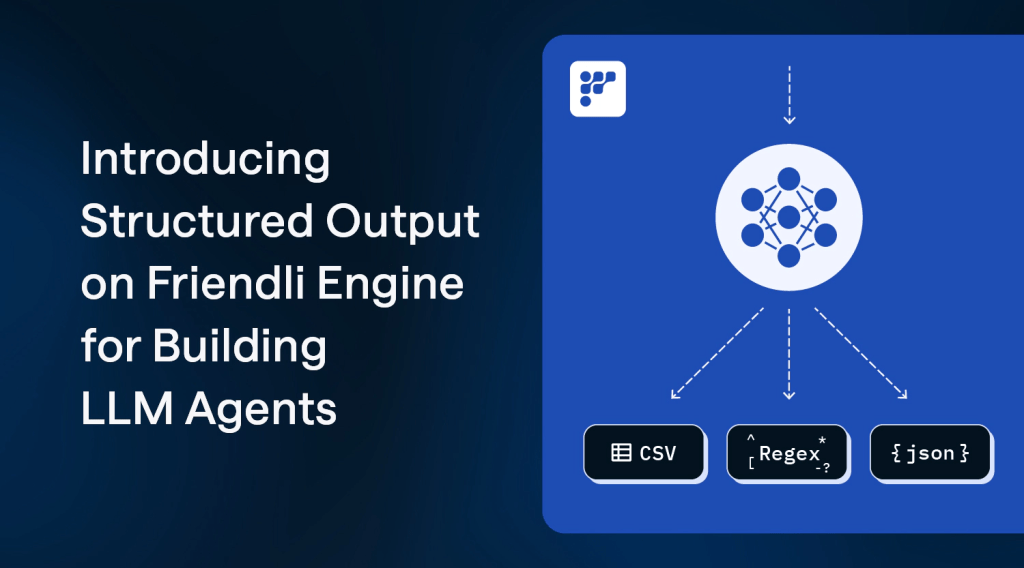
Structured outputs in LLMs refer to the generation of information in a specific, organized format rather than free-form text. Unlike unstructured outputs, which can be lengthy and sometimes inconsistent, structured outputs are neatly arranged, making them easier to interpret and use. This can include tables, lists, JSON formats, or even custom templates designed to meet specific needs.
The Importance of Structured Outputs in LLMs
The importance of structured outputs in LLMs cannot be overstated, especially as businesses and developers seek more refined and actionable insights from AI models. Structured outputs enable:
- Improved Data Usability: Structured data is easier to parse and use, making it ideal for applications where consistency and clarity are crucial. For instance, when an LLM generates responses in a tabular format, it is simpler for downstream applications to integrate this data.
- Enhanced Accuracy: By defining the format in which outputs should be delivered, LLMs can reduce the ambiguity and variability inherent in free-form text generation. This structured approach helps ensure that the generated content adheres closely to the required format, enhancing overall accuracy.
- Better Integration with Existing Systems: Structured outputs in LLMs can be directly fed into databases, APIs, or other automated systems without needing extensive reformatting. This streamlines workflows and saves time, making AI integration more seamless across various platforms.
Applications of Structured Outputs in LLMs
Structured outputs in LLMs have diverse applications across multiple sectors:
- Customer Support and Chatbots: In customer service, structured outputs enable LLMs to generate clear, concise responses to user queries. For instance, when a user requests account information, an LLM can produce a well-structured response detailing the relevant data points.
- Financial Reporting: In finance, structured outputs are crucial for generating reports, summaries, and forecasts. An LLM can produce financial statements or balance sheets in a standardized format, which can then be easily reviewed and used by analysts.
- Healthcare: In healthcare, LLMs can generate structured outputs such as patient summaries, treatment plans, or diagnostic reports. This reduces the burden on healthcare professionals by automating routine documentation tasks while ensuring data consistency.
- Content Generation: For content creators, structured outputs in LLMs can automate the generation of formatted articles, outlines, or data-driven reports. This is particularly useful in scenarios where content must adhere to specific guidelines or templates.
How Structured Outputs in LLMs Work
To generate structured outputs, LLMs rely on prompt engineering and fine-tuning techniques. Here’s how they work:
- Prompt Engineering: This involves crafting prompts that guide the LLM to generate outputs in a specific format. For example, a prompt might instruct the LLM to present data in a table format or to list items in a specific order.
- Fine-Tuning: Fine-tuning involves training the LLM on datasets that include examples of the desired structured output. This helps the model learn the patterns and formats required, improving its ability to consistently produce structured outputs.
- Using APIs and Tools: There are specialized APIs and tools that enhance the capability of LLMs to produce structured outputs. These tools often include templates or predefined formats that the LLM can use, further ensuring the consistency and accuracy of the outputs.
Benefits of Using Structured Outputs in LLMs
There are several benefits to using structured outputs in LLMs, including:
- Efficiency: Structured outputs reduce the need for post-processing, saving time and resources. Data is ready for immediate use, which can significantly boost productivity.
- Scalability: With structured outputs, it’s easier to scale applications as the data is consistently formatted and can be handled automatically by systems designed to process structured data.
- Better Decision-Making: Structured outputs provide clearer insights, aiding decision-makers in understanding the information quickly and accurately. This is especially beneficial in fields like finance, healthcare, and business analytics.
Challenges and Future Directions
While structured outputs in LLMs offer many advantages, there are still challenges to overcome. These include ensuring the flexibility of models to handle various structured formats and maintaining accuracy as complexity increases. Future developments in LLMs are expected to focus on enhancing these capabilities, making structured outputs even more robust and versatile.
Conclusion
Structured outputs in LLMs represent a significant leap forward in the usability and functionality of AI-generated content. By delivering data in organized formats, LLMs not only enhance accuracy and efficiency but also open up new possibilities for integration across different sectors. As technology continues to evolve, the role of structured outputs in LLMs will only become more prominent, paving the way for more sophisticated and reliable AI applications.
Embracing structured outputs in LLMs is not just a trend but a necessary evolution for businesses looking to harness the full potential of AI in a practical and actionable manner.
 FinTech blogs
Leave a comment