AI agent systems are becoming increasingly popular as they are used in a variety of applications, from customer service chatbots to autonomous vehicles. Building an AI agent system might seem daunting, but by breaking down the process into manageable steps, you can create a functional and efficient system. This guide will walk you through the key steps on how to build an AI agent system, making the process clear, simple, and easy to understand.
1. Understanding AI Agent Systems
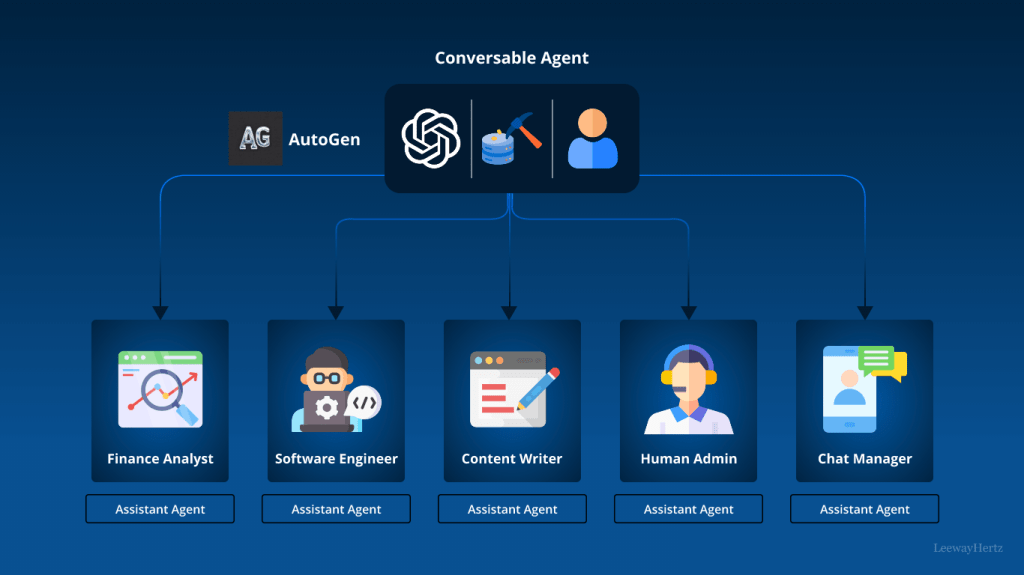
Before diving into the steps on how to build an AI agent system, it’s important to understand what an AI agent system is. An AI agent system consists of autonomous entities, or “agents,” that perceive their environment, make decisions, and take actions to achieve specific goals. These systems are designed to solve complex problems by simulating intelligent behavior.
2. Define the Purpose and Scope of Your AI Agent System
The first step in building an AI agent system is to clearly define its purpose and scope. Ask yourself the following questions:
- What problem do you want the AI agent to solve?
- What are the specific goals of the AI agent?
- Who will be the end-users of the system?
Defining the purpose and scope will help you focus your efforts and ensure that the AI agent system meets the desired objectives.
3. Choose the Right Type of AI Agent
There are several types of AI agents, each suited for different tasks:
- Reactive Agents: These agents operate based on predefined rules and do not store past experiences. They are suitable for simple tasks with straightforward responses.
- Model-Based Agents: These agents maintain an internal state and use a model of the environment to make decisions. They are ideal for more complex tasks that require memory.
- Goal-Based Agents: These agents work towards achieving specific goals by planning and decision-making. They are useful when the path to the goal is not immediately clear.
- Utility-Based Agents: These agents make decisions based on a utility function that ranks possible actions based on their expected outcomes.
Selecting the right type of AI agent is crucial in the process of how to build an AI agent system that performs effectively.
4. Design the Architecture of Your AI Agent System
Designing the architecture is a key step in how to build an AI agent system. The architecture determines how the agents will interact with the environment, process information, and make decisions. Common architectures include:
- Simple Reflex Architecture: Agents make decisions based solely on the current situation.
- Model-Based Architecture: Agents use models to predict the outcome of actions.
- Hierarchical Architecture: Agents have layered structures, allowing for more complex decision-making processes.
When designing the architecture, consider the scalability, flexibility, and integration capabilities of your system.
5. Select the Right Tools and Technologies
Choosing the right tools and technologies is essential when building an AI agent system. Consider the following:
- Programming Languages: Python is popular for AI development due to its extensive libraries such as TensorFlow, PyTorch, and Scikit-learn.
- Machine Learning Frameworks: These frameworks provide pre-built models and tools that accelerate the development process.
- Cloud Platforms: Cloud services like AWS, Google Cloud, and Microsoft Azure offer scalable resources for deploying AI agents.
Using the right combination of tools will streamline the process of how to build an AI agent system and improve its performance.
6. Implement Machine Learning Models
A significant part of building an AI agent system involves implementing machine learning models. These models enable agents to learn from data, recognize patterns, and make informed decisions. Key steps include:
- Data Collection: Gather data that is relevant to the problem your AI agent will solve.
- Data Preprocessing: Clean and format the data to make it suitable for training.
- Model Training: Train machine learning models using algorithms such as neural networks, decision trees, or reinforcement learning.
- Evaluation: Test the models to ensure they perform as expected and refine them as necessary.
Effective model implementation is critical to building an AI agent system that is accurate and reliable.
7. Test and Validate Your AI Agent System
Testing and validation are crucial steps in how to build an AI agent system. Conduct thorough testing to ensure that the system behaves as expected in different scenarios. Validation involves checking the system against the defined goals and requirements. This process helps identify any flaws or areas for improvement.
8. Deploy and Monitor Your AI Agent System
Once testing is complete, the next step is to deploy the AI agent system in a real-world environment. Choose a deployment platform that supports your system’s requirements, whether it’s on-premises, cloud-based, or a hybrid solution. Monitoring the performance of the AI agent system post-deployment is essential to ensure it continues to function optimally and adapt to any changes in the environment.
9. Continuously Improve Your AI Agent System
Building an AI agent system is not a one-time task; it requires continuous improvement. Regularly update the system with new data, refine the models, and enhance the system’s capabilities to keep it relevant and effective.
Conclusion
Building an AI agent system involves several steps, from defining its purpose to continuous improvement. By following this guide on how to build an AI agent system, you can develop a robust and effective AI solution tailored to your needs. Remember, the key to success lies in careful planning, the right tools, and ongoing refinement of your system.
 FinTech blogs
Leave a comment