Introduction to AI in Product Development
Artificial Intelligence (AI) is transforming numerous industries, and one of the most impactful areas is product development. By integrating AI in product development processes, companies can enhance efficiency, foster innovation, and create products that better meet consumer needs. This article explores the key ways AI is revolutionizing product development and how it can be leveraged for competitive advantage.
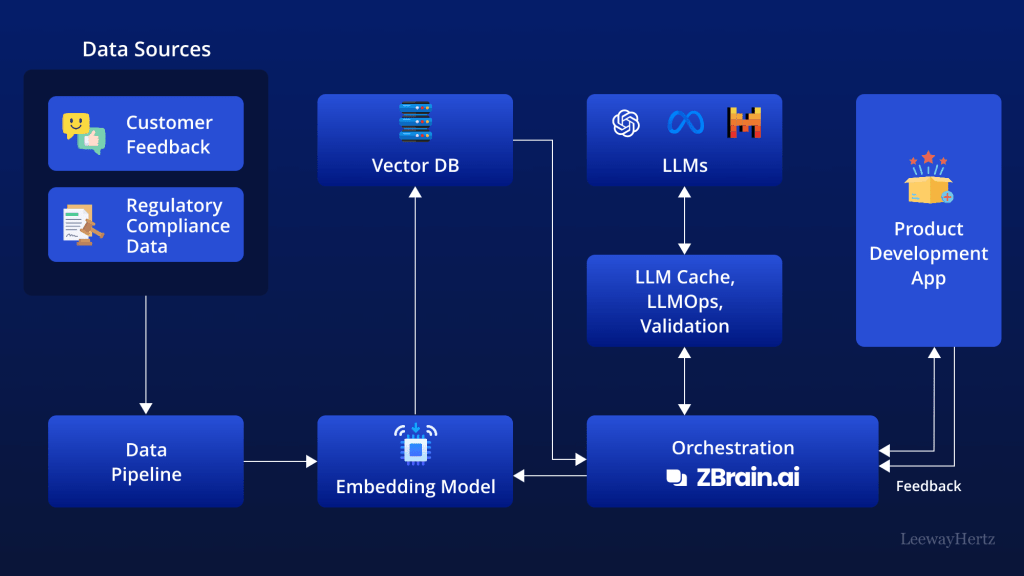
The Role of AI in Enhancing Product Design
AI in product development starts with design. Traditionally, designing a product required significant human effort and trial-and-error. However, AI tools can now analyze vast amounts of data to predict trends and generate innovative design solutions. For example, AI algorithms can analyze consumer preferences, market trends, and previous design successes to suggest new features or improvements. This leads to designs that are not only aesthetically pleasing but also align with market demands.
AI-Driven Prototyping and Simulation
Prototyping is a critical stage in product development, where initial concepts are tested and refined. AI accelerates this process by enabling advanced simulations and virtual testing. AI-driven tools can model various scenarios and predict how a product will perform under different conditions. This capability reduces the need for physical prototypes, saving both time and costs. AI simulations help identify potential issues early in the development cycle, allowing for quicker adjustments and more robust final products.
Optimizing Product Development with AI
AI plays a significant role in optimizing product development workflows. Machine learning algorithms can analyze historical data from past projects to identify patterns and inefficiencies. By applying these insights, teams can streamline their processes, reduce errors, and enhance productivity. For instance, AI can automate repetitive tasks such as data entry or analysis, freeing up human resources for more strategic work.
AI in Market Analysis and Consumer Insights
Understanding market trends and consumer preferences is crucial for successful product development. AI in product development aids in this by analyzing vast amounts of market data and consumer feedback. Natural Language Processing (NLP) tools can sift through social media, reviews, and other sources to gather insights into consumer opinions and emerging trends. This data helps developers make informed decisions about features, pricing, and marketing strategies.
Personalization and Customization through AI
Modern consumers expect products tailored to their individual needs. AI facilitates this level of personalization by analyzing user data and preferences. In product development, AI can help create customizable options or even entirely bespoke products based on individual user profiles. This approach not only enhances user satisfaction but also drives brand loyalty and differentiation in the market.
AI for Predictive Maintenance and Quality Assurance
Maintaining product quality and performance is essential for customer satisfaction. AI in product development includes predictive maintenance capabilities that help foresee potential issues before they occur. By analyzing data from product usage, AI can predict when components might fail or need servicing. This proactive approach helps in maintaining high-quality standards and reducing the likelihood of defects.
Streamlining Collaboration and Communication
Effective collaboration is key to successful product development. AI tools can enhance team communication by providing real-time updates and facilitating information sharing. For instance, AI-powered project management systems can track progress, manage tasks, and ensure that all team members are aligned. This streamlined communication reduces misunderstandings and accelerates the development process.
Ethical Considerations and Future Prospects
As AI continues to advance, ethical considerations in its application become increasingly important. Ensuring that AI tools are used responsibly and transparently is crucial for maintaining trust and integrity in product development. Looking ahead, the future of AI in product development promises even greater innovations, including more advanced AI models and deeper integrations with other technologies.
Conclusion
AI in product development offers numerous benefits, from enhancing design and prototyping to optimizing workflows and understanding consumer needs. By embracing AI, businesses can not only improve their product development processes but also stay ahead of the competition. As AI technology continues to evolve, its role in shaping the future of product development will become even more significant. For organizations looking to leverage AI effectively, investing in these technologies and staying informed about their advancements will be key to long-term success.
 FinTech blogs
Leave a comment