Introduction
Generative AI in knowledge management is revolutionizing the way organizations capture, utilize, and share information. As businesses navigate the complexities of modern data environments, integrating generative AI into knowledge management systems offers unprecedented opportunities for efficiency, accuracy, and innovation. This article explores the key use cases, benefits, and implementation strategies for leveraging generative AI in knowledge management.
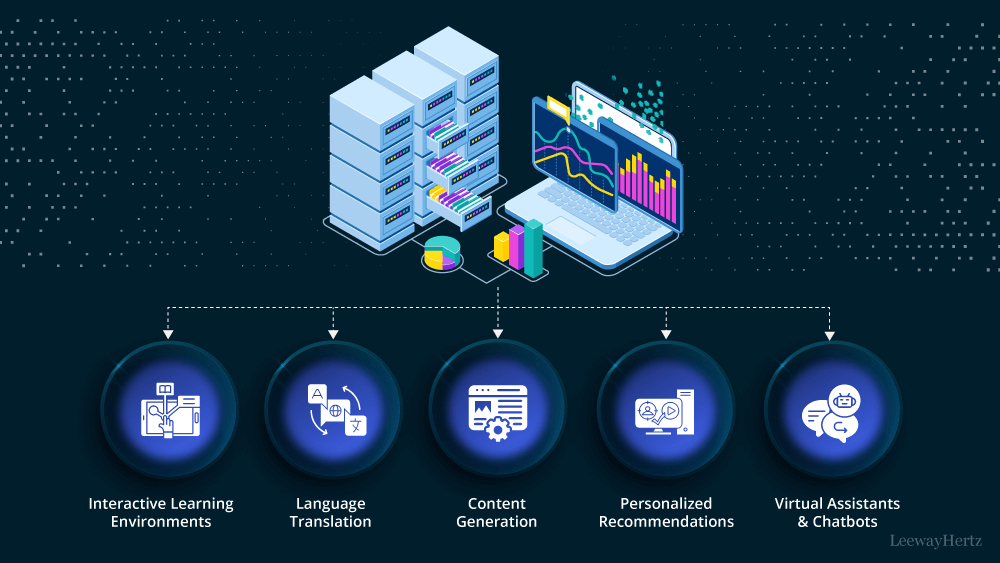
Understanding Generative AI in Knowledge Management
Generative AI refers to a subset of artificial intelligence technologies designed to generate new content, insights, or data based on existing information. In the context of knowledge management, this technology can automate and enhance various processes related to information handling. By analyzing vast amounts of data and generating relevant content, generative AI facilitates more effective knowledge sharing and utilization.
Use Cases of Generative AI in Knowledge Management
- Automated Content Creation One of the primary use cases of generative AI in knowledge management is automated content creation. This includes generating reports, summaries, and documentation. AI algorithms can analyze existing data and produce coherent, contextually relevant content, saving time and ensuring consistency across documents.
- Enhanced Search Capabilities Generative AI improves search functionalities within knowledge management systems. Instead of relying solely on keyword matching, AI-driven search tools can understand and interpret the context of queries, providing more accurate and relevant results. This leads to quicker access to the right information and reduces the time spent searching for data.
- Intelligent Knowledge Extraction AI can automatically extract valuable insights from unstructured data sources, such as emails, reports, and social media. This capability enhances knowledge management by making it easier to identify trends, patterns, and key pieces of information that might otherwise be overlooked.
- Personalized Knowledge Delivery Generative AI enables personalized knowledge delivery by analyzing user preferences and behavior. This allows systems to recommend relevant content, tailor training materials, and suggest best practices based on individual needs and roles within the organization.
- Automated Knowledge Organization Organizing and categorizing vast amounts of information can be a daunting task. Generative AI helps streamline this process by automatically tagging, classifying, and organizing content based on its relevance and context. This ensures that knowledge is easily accessible and well-structured.
Benefits of Generative AI in Knowledge Management
- Increased Efficiency By automating repetitive tasks and generating content quickly, generative AI significantly boosts efficiency. This allows employees to focus on more strategic activities, ultimately leading to higher productivity and faster decision-making.
- Improved Accuracy Generative AI reduces the likelihood of human error in knowledge management processes. With advanced algorithms and data analysis capabilities, AI can ensure that information is accurate, up-to-date, and consistent across different platforms and documents.
- Enhanced Collaboration AI-driven tools facilitate better collaboration by providing a centralized platform for knowledge sharing. Team members can easily access, contribute to, and benefit from a collective pool of knowledge, leading to more effective teamwork and innovation.
- Cost Savings Automating knowledge management tasks with AI can lead to significant cost savings. By reducing the need for manual labor and minimizing errors, organizations can lower operational costs and allocate resources more efficiently.
- Scalability Generative AI solutions can easily scale to accommodate growing amounts of data and information. This scalability ensures that knowledge management systems remain effective as organizations expand and evolve.
Implementation of Generative AI in Knowledge Management
- Identify Needs and Goals Before implementing generative AI, organizations should assess their specific knowledge management needs and goals. This includes identifying areas where AI can provide the most value, such as content creation, search optimization, or knowledge extraction.
- Choose the Right AI Tools Selecting the appropriate generative AI tools and platforms is crucial for successful implementation. Organizations should consider factors such as compatibility with existing systems, ease of integration, and the ability to customize solutions to meet specific requirements.
- Integrate with Existing Systems Generative AI solutions should be seamlessly integrated with existing knowledge management systems. This ensures that AI tools enhance rather than disrupt current workflows and processes. Integration may involve connecting AI platforms with databases, document management systems, and communication tools.
- Train and Educate Users Proper training and education are essential for maximizing the benefits of generative AI. Organizations should provide users with the necessary knowledge and skills to effectively utilize AI tools and understand their capabilities and limitations.
- Monitor and Evaluate Performance Continuous monitoring and evaluation are critical for assessing the effectiveness of generative AI in knowledge management. Organizations should regularly review performance metrics, gather user feedback, and make adjustments as needed to ensure that AI tools are meeting their intended objectives.
Conclusion
Generative AI in knowledge management offers transformative benefits for organizations seeking to optimize their information handling processes. By automating content creation, enhancing search capabilities, and personalizing knowledge delivery, AI technologies enable more efficient and accurate knowledge management. Implementing generative AI requires careful planning, selection of appropriate tools, and ongoing evaluation, but the potential rewards in terms of efficiency, accuracy, and cost savings make it a valuable investment for any organization looking to stay ahead in a data-driven world.
 FinTech blogs
Leave a comment