Introduction
In today’s fast-paced digital landscape, staying compliant with regulations is more challenging than ever for businesses across all industries. The emergence of AI-based regulatory monitoring tools is transforming AI applications, offering a cutting-edge solution to streamline compliance processes. These advanced tools are not only changing the way businesses operate but also reshaping the future of regulatory oversight. Let’s explore how this transformation is unfolding and why it matters.
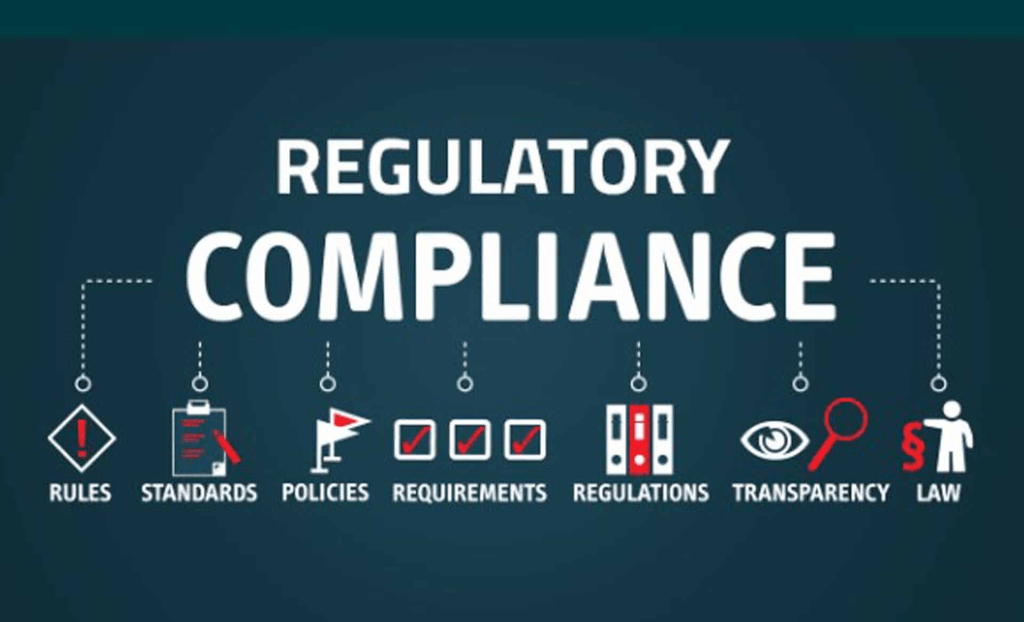
The Growing Need for AI-Based Regulatory Monitoring Tools
Compliance with local, national, and international regulations is an essential aspect of business operations. Traditionally, this has been a labor-intensive process, requiring teams of professionals to manually track changes in regulatory policies, interpret their implications, and ensure that the organization remains compliant. With the increasing complexity and volume of regulations, this approach has become unsustainable for many businesses.
This is where AI-based regulatory monitoring tools come into play. Leveraging the power of artificial intelligence, these tools automate the process of monitoring and interpreting regulatory changes, ensuring that organizations stay updated and compliant. By transforming AI into a tool for compliance, these technologies are making regulatory monitoring more efficient, accurate, and scalable.
How AI-Based Regulatory Monitoring Tools Work
AI-based regulatory monitoring tools rely on advanced algorithms and machine learning to analyze vast amounts of data from regulatory bodies. They continuously scan regulatory updates, analyze their relevance to a specific industry or organization, and offer actionable insights. These tools can detect even subtle changes in regulations, which can often be missed by traditional monitoring methods.
By applying natural language processing (NLP) techniques, AI-based tools can read and interpret the complex legal language in regulatory documents. They can break down regulations into simpler terms and highlight the most relevant sections that affect the business. This not only saves time but also ensures that companies can respond to regulatory changes more quickly and efficiently.
The Benefits of AI-Based Regulatory Monitoring Tools
- Efficiency and Speed
One of the most significant benefits of AI-based regulatory monitoring tools is their ability to operate 24/7. They process regulatory updates and alerts in real-time, which is especially useful for industries that are subject to frequent regulatory changes. Businesses no longer need to manually sift through regulatory documents or wait for updates from human auditors. Instead, they can rely on these tools to flag potential compliance issues instantly. - Accuracy and Consistency
Human error is an inevitable part of manual regulatory monitoring. AI-based tools, however, reduce this risk by delivering highly accurate, data-driven insights. Once programmed, these tools ensure consistency in monitoring and interpretation, which is critical when it comes to complex regulatory frameworks. Their consistency in analysis means that businesses can be more confident in their compliance efforts. - Cost-Effectiveness
While implementing AI-based regulatory monitoring tools may involve an initial investment, it ultimately saves organizations money in the long run. Automating the compliance process reduces the need for large compliance teams, lowers the risk of non-compliance penalties, and cuts down on manual hours spent on regulatory research. - Scalability
As businesses grow and expand into new markets, the number of regulations they must comply with increases. AI-based regulatory monitoring tools are scalable and can handle the growing volume of data, making them ideal for companies that operate across multiple jurisdictions. This scalability allows businesses to keep up with the ever-evolving regulatory landscape without increasing their workforce.
The Role of AI in Transforming Regulatory Compliance
AI-based regulatory monitoring tools are a clear example of how AI is transforming AI itself. By leveraging machine learning and AI technologies, these tools enhance the capabilities of regulatory compliance functions, making them more adaptable and intelligent. They demonstrate AI’s potential not only in streamlining workflows but also in creating entirely new applications for the technology.
The transformation extends beyond compliance departments as well. For example, these AI tools provide data that can inform business strategy, helping leaders make more informed decisions about entering new markets or adjusting product lines to comply with regional regulations. This proactive approach is made possible by the advanced analytics and predictive capabilities of AI-based tools.
Challenges and Considerations
Despite the many advantages of AI-based regulatory monitoring tools, there are still some challenges to consider. For one, the technology is only as good as the data it receives. If a regulatory body publishes unclear or outdated information, the AI tool may not be able to interpret it correctly. Additionally, while these tools can assist in regulatory compliance, they do not replace the need for human oversight entirely.
Another consideration is data privacy. As these tools gather and analyze large amounts of data, businesses must ensure that they are complying with privacy regulations, such as the General Data Protection Regulation (GDPR) or the California Consumer Privacy Act (CCPA). This means implementing strict data security measures and ensuring that the AI-based tools themselves are compliant with applicable laws.
The Future of AI-Based Regulatory Monitoring Tools
The future of AI-based regulatory monitoring tools looks promising. As AI technology continues to evolve, these tools will become even more sophisticated, offering deeper insights and predictive capabilities. In the coming years, we can expect AI-based regulatory monitoring tools to not only detect regulatory changes but also predict potential future regulations based on current trends and data analysis.
Furthermore, as industries become more digital and globalized, regulatory bodies are likely to develop new frameworks for AI applications, creating even more opportunities for AI-based tools to assist in compliance. Businesses that invest in these tools today will be better positioned to navigate the complex regulatory landscape of tomorrow.
Conclusion
AI-based regulatory monitoring tools are transforming AI applications in ways that go beyond traditional compliance functions. By automating the process of tracking and interpreting regulatory changes, these tools are helping businesses stay compliant, save time, and reduce costs. As AI continues to evolve, the role of these tools will only grow, making them an essential part of any organization’s regulatory strategy.
By embracing AI-based regulatory monitoring tools, businesses can not only keep up with the ever-changing regulatory landscape but also harness the power of AI to transform their operations and future-proof their compliance processes.
 FinTech blogs
Leave a comment