Generative AI in manufacturing is rapidly transforming the industry by automating design, improving efficiency, and enabling innovative production methods. From reducing costs to speeding up production, this technology is reshaping the way manufacturers design and build products. In this article, we’ll explore the key benefits and applications of generative AI in manufacturing, focusing on how it’s paving the way for smarter, more flexible production.
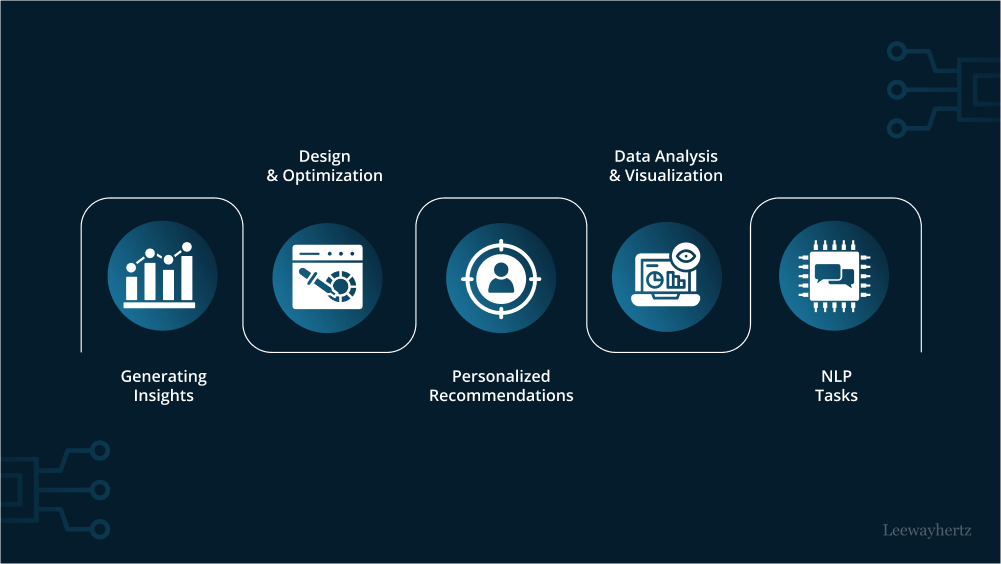
What is Generative AI in Manufacturing?
Generative AI refers to artificial intelligence algorithms that can create new designs, models, or solutions based on input data. In manufacturing, these algorithms help companies optimize designs, streamline production, and discover new ways to create products. Unlike traditional methods, generative AI enables manufacturers to explore a vast range of possibilities in a fraction of the time.
This technology works by using machine learning models to analyze data, such as customer needs, materials, and production constraints, and then generate optimized designs that meet these criteria. It goes beyond simply automating repetitive tasks by offering intelligent, data-driven insights that lead to innovative solutions.
Applications of Generative AI in Manufacturing
Generative AI in manufacturing is being applied in various areas to improve production processes. Here are some key applications where this technology is making a significant impact:
1. Product Design and Optimization
One of the most prominent applications of generative AI in manufacturing is in product design. By leveraging this technology, manufacturers can input their design parameters—such as material strength, weight limits, and production costs—and let the AI generate multiple design options. These options are optimized for performance, cost-effectiveness, and sustainability.
Generative AI helps manufacturers move away from conventional design methods, allowing them to explore a broader range of ideas. The AI can simulate different manufacturing conditions and suggest improvements, leading to more efficient and innovative designs. This results in products that are lighter, stronger, and often cheaper to produce.
2. Supply Chain Optimization
Generative AI is also improving supply chain management in manufacturing. By analyzing data from suppliers, logistics, and market demand, AI can suggest ways to streamline operations. For example, it can predict shortages, optimize inventory levels, and propose alternative suppliers when needed.
Incorporating generative AI in supply chain management enables manufacturers to reduce lead times, minimize waste, and increase overall efficiency. These predictive capabilities help manufacturers become more responsive to changes in the market while maintaining lower operational costs.
3. Customization and Personalization
Another key benefit of generative AI in manufacturing is its ability to support mass customization. Consumers are increasingly seeking personalized products, and AI can help manufacturers meet this demand without compromising efficiency. By automating the design process, AI enables manufacturers to offer customized products at scale, ensuring that individual preferences are met.
This flexibility allows for rapid adjustments to designs based on customer feedback or changing trends, making the production process more adaptable to market needs.
4. Predictive Maintenance and Quality Control
Generative AI is also transforming maintenance practices in manufacturing by enabling predictive maintenance. AI-powered algorithms analyze data from machinery and production lines to predict potential failures before they occur. This reduces downtime, lowers maintenance costs, and extends the lifespan of equipment.
Additionally, AI enhances quality control by continuously monitoring production lines and identifying defects in real time. This ensures that products meet strict quality standards, reducing the need for manual inspections and improving overall product consistency.
5. Sustainable Manufacturing
As sustainability becomes an increasing priority for manufacturers, generative AI is proving to be a valuable tool. The technology allows manufacturers to optimize processes to minimize material waste, reduce energy consumption, and lower carbon footprints. By generating energy-efficient designs and optimizing resource use, AI is helping the manufacturing industry move toward greener, more sustainable practices.
Generative AI can also help manufacturers make smarter decisions about materials, choosing those that have a smaller environmental impact while maintaining performance standards. This not only benefits the environment but also improves the brand image of manufacturers who prioritize sustainability.
Benefits of Generative AI in Manufacturing
The adoption of generative AI in manufacturing offers several key benefits that can give manufacturers a competitive edge:
1. Faster Design and Development
Generative AI accelerates the design process by automatically generating multiple design iterations in a short amount of time. This enables manufacturers to reduce the time it takes to bring new products to market, allowing them to stay ahead of competitors. Additionally, AI-driven design solutions often result in more efficient and optimized products.
2. Cost Reduction
By optimizing designs for material usage and manufacturing processes, generative AI helps reduce production costs. It minimizes waste, lowers energy consumption, and improves efficiency, leading to significant cost savings across the production cycle. Manufacturers can also avoid costly mistakes by simulating designs before they go into production.
3. Increased Innovation
Generative AI provides manufacturers with new ideas and approaches to design, leading to increased innovation. This technology encourages manufacturers to experiment with unconventional designs and materials that may not have been considered in traditional methods. The result is more unique, innovative products that stand out in the market.
4. Improved Product Quality
Generative AI in manufacturing helps enhance product quality by optimizing designs and ensuring that production processes are as efficient as possible. This reduces defects, enhances performance, and results in higher-quality products that meet the demands of modern consumers. AI-driven quality control also ensures that every product leaving the production line adheres to the highest standards.
5. Enhanced Sustainability
Generative AI allows manufacturers to create more sustainable production methods by reducing material waste and energy consumption. This supports the industry’s broader shift toward eco-friendly practices, helping manufacturers comply with environmental regulations and meet consumer demand for greener products.
Challenges and Future of Generative AI in Manufacturing
While generative AI offers many advantages, its adoption in manufacturing is not without challenges. One of the main obstacles is the need for high-quality data. AI algorithms rely heavily on accurate data to generate useful insights, and manufacturers must invest in data collection and management to fully leverage AI.
Additionally, integrating AI into existing systems can be complex and require significant investment in infrastructure and training. However, as technology continues to evolve, these challenges are likely to diminish, making generative AI more accessible to manufacturers of all sizes.
The future of generative AI in manufacturing looks promising. As AI becomes more sophisticated, its capabilities will expand, enabling even greater efficiency, customization, and sustainability. Manufacturers that embrace this technology now will be well-positioned to lead the industry into a new era of innovation.
Conclusion
Generative AI in manufacturing is revolutionizing the way products are designed, produced, and delivered. With applications ranging from product design and supply chain optimization to predictive maintenance and sustainability, this technology is empowering manufacturers to achieve higher efficiency, reduce costs, and drive innovation. As generative AI continues to evolve, it will undoubtedly play an increasingly vital role in the future of manufacturing.
 FinTech blogs
Leave a comment