Introduction
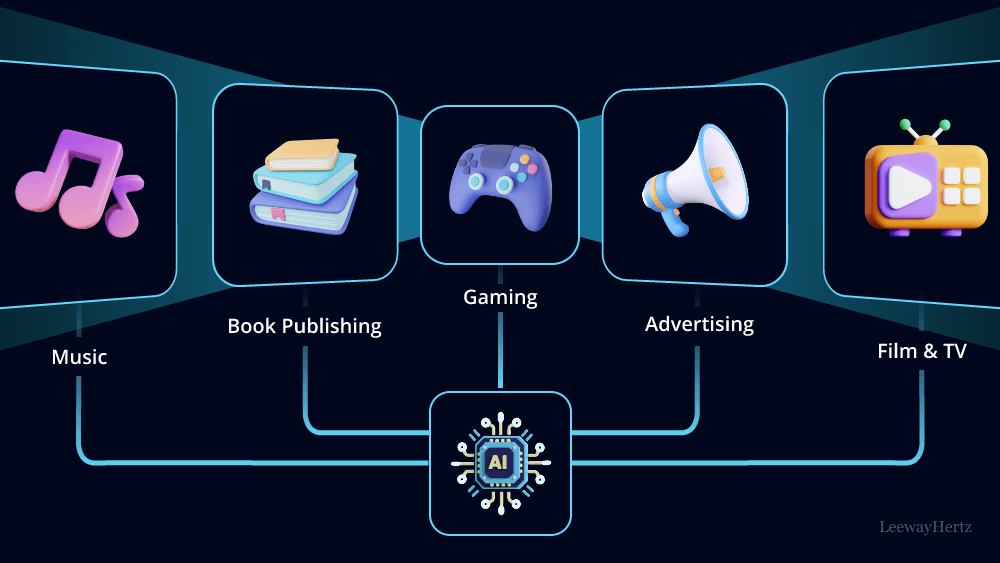
AI in media and entertainment is revolutionizing how content is created, distributed, and consumed. From personalized recommendations to automated content generation, artificial intelligence is reshaping the landscape of this dynamic industry. This article explores the various ways AI is making an impact and the implications for creators and consumers alike.
Enhancing Content Creation
One of the most significant contributions of AI in media and entertainment is its ability to assist in content creation. Writers and filmmakers are increasingly using AI tools to generate scripts, suggest storylines, and even create dialogue. These tools analyze vast amounts of data, identifying patterns that can inspire new ideas. By streamlining the creative process, AI helps content creators focus more on refining their work rather than getting bogged down by initial drafts.
Personalized Viewing Experiences
Personalization is a crucial aspect of modern media consumption, and AI is at the forefront of this trend. Algorithms analyze user behavior, preferences, and viewing history to recommend content that aligns with individual tastes. This level of customization enhances user engagement, as audiences are more likely to enjoy content tailored to their interests. The integration of AI in media and entertainment has led to a more immersive experience, allowing viewers to discover new favorites they might not have found otherwise.
Revolutionizing Marketing Strategies
AI in media and entertainment also plays a pivotal role in shaping marketing strategies. Data analytics helps marketers understand audience demographics and behaviors, enabling them to craft targeted campaigns. By leveraging AI, media companies can predict which content will resonate with specific audience segments, ultimately driving higher engagement rates. This data-driven approach ensures that marketing efforts are both efficient and effective, maximizing the reach of new releases.
Streamlining Production Processes
The production process in media and entertainment can be complex and time-consuming. AI helps streamline various stages of production, from pre-production planning to post-production editing. For instance, AI tools can assist with scheduling, budgeting, and resource allocation, reducing the administrative burden on production teams. Additionally, in post-production, AI-powered editing software can analyze footage and suggest cuts, making the editing process faster and more efficient.
Enhancing Audience Engagement
Engagement is key to the success of any media venture, and AI in media and entertainment is enhancing this aspect significantly. Interactive content, powered by AI, allows audiences to engage with stories in new and exciting ways. For example, AI can facilitate interactive storytelling, where viewers make choices that influence the narrative direction. This level of interactivity not only captivates audiences but also encourages them to invest emotionally in the content.
Addressing Ethical Concerns
As AI continues to evolve, it brings with it a set of ethical concerns. Issues such as data privacy, content authenticity, and bias in algorithmic recommendations are vital to address. Media and entertainment companies must prioritize transparency and ethical considerations in their use of AI. By doing so, they can build trust with their audiences and ensure that the benefits of AI are realized without compromising ethical standards.
The Future of AI in Media and Entertainment
Looking ahead, the potential of AI in media and entertainment is vast. As technology advances, we can expect even more innovative applications. For example, virtual reality and augmented reality experiences may become more sophisticated, creating immersive environments where AI plays a central role. Additionally, AI-driven analytics will continue to refine content strategies, ensuring that creators are always in tune with audience preferences.
Conclusion
In conclusion, AI in media and entertainment is transforming the industry in numerous ways, from content creation and personalized experiences to marketing and production efficiency. As the landscape evolves, it’s essential for creators and companies to embrace these advancements while addressing the ethical challenges they present. By harnessing the power of AI responsibly, the media and entertainment sector can continue to thrive, offering audiences richer and more engaging experiences. As we move forward, the synergy between human creativity and artificial intelligence promises to open new frontiers in storytelling and audience engagement.
 FinTech blogs
Leave a comment