Introduction to Generative AI in Logistics
Generative AI in logistics is revolutionizing the way companies operate, enabling them to streamline processes, reduce costs, and enhance customer satisfaction. This technology leverages advanced algorithms and machine learning to create solutions that can optimize various aspects of the supply chain.
Understanding Generative AI
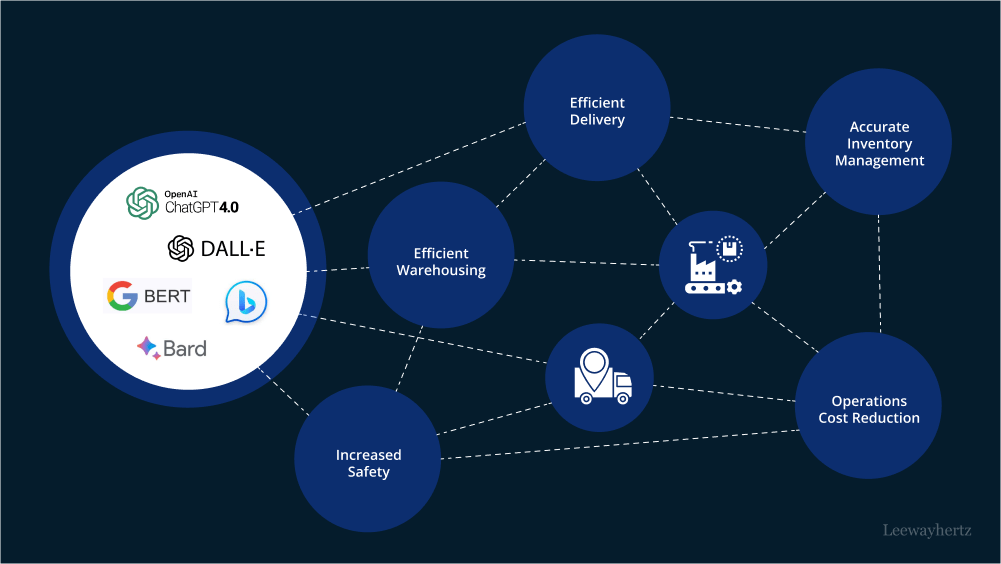
Generative AI refers to algorithms that can generate new content or data based on existing information. In logistics, this can manifest in various forms, such as route optimization, demand forecasting, and inventory management. By analyzing historical data and identifying patterns, generative AI can predict future needs and propose actionable insights.
Enhancing Route Optimization
One of the most impactful applications of generative AI in logistics is route optimization. Traditionally, route planning relied on static algorithms and human intuition. However, generative AI can process vast amounts of data in real-time, taking into account traffic conditions, weather, and delivery schedules. This allows logistics companies to create more efficient routes, reducing fuel consumption and improving delivery times.
Improving Demand Forecasting
Accurate demand forecasting is critical for effective inventory management. Generative AI in logistics helps predict future demand by analyzing historical sales data, market trends, and external factors. This capability enables companies to maintain optimal inventory levels, minimizing stockouts and overstock situations. By aligning inventory with actual demand, businesses can enhance customer satisfaction while reducing carrying costs.
Streamlining Inventory Management
Generative AI also plays a significant role in inventory management. It can analyze sales patterns, seasonality, and consumer behavior to generate recommendations for stock levels. This proactive approach helps businesses avoid excess inventory, which ties up capital, and ensures that products are available when customers need them. With real-time insights, logistics companies can respond quickly to changing market conditions.
Automating Administrative Tasks
The administrative side of logistics often involves repetitive tasks that can be time-consuming and prone to human error. Generative AI in logistics can automate various administrative functions, such as data entry, report generation, and compliance checks. This not only improves accuracy but also allows employees to focus on higher-value activities, ultimately boosting productivity.
Enhancing Customer Experience
In today’s competitive landscape, customer experience is paramount. Generative AI can enhance customer interactions by providing personalized recommendations, tracking shipments in real-time, and predicting delivery windows. This level of service fosters customer loyalty and builds stronger relationships, giving companies a competitive edge.
Risk Management and Mitigation
Every supply chain faces risks, whether from natural disasters, geopolitical events, or economic fluctuations. Generative AI in logistics can help identify potential risks by analyzing various data sources and generating predictive models. By understanding and anticipating these risks, companies can develop mitigation strategies that ensure business continuity.
Implementing Generative AI in Logistics
To effectively implement generative AI in logistics, companies should follow a structured approach:
- Data Collection: Gather relevant data from various sources, including sales, inventory, and customer feedback.
- Data Analysis: Utilize generative AI algorithms to analyze the data and identify trends or patterns.
- Pilot Programs: Start with small-scale pilot programs to test the effectiveness of generative AI applications.
- Scale and Optimize: Once the pilot proves successful, scale the solutions across the organization and continuously optimize based on feedback and performance metrics.
The Future of Logistics with Generative AI
As generative AI continues to evolve, its applications in logistics will expand even further. The integration of artificial intelligence with other technologies, such as the Internet of Things (IoT) and blockchain, will create a more interconnected and efficient supply chain. This synergy will enable real-time visibility, improved traceability, and greater resilience against disruptions.
Conclusion
Generative AI in logistics is not just a trend; it is a transformative force reshaping the industry. By leveraging its capabilities, logistics companies can enhance operational efficiency, improve customer experiences, and navigate the complexities of modern supply chains. As this technology continues to advance, those who embrace it will be well-positioned to thrive in an increasingly competitive marketplace.
 FinTech blogs
Leave a comment