Generative AI is revolutionizing various industries by transforming how we create, analyze, and interact with data. This technology leverages algorithms to produce content, designs, and solutions that mimic human creativity. In this article, we’ll delve into the use cases, applications, and potential implementations of generative AI, providing a comprehensive overview of its impact.
What is Generative AI?
Generative AI refers to artificial intelligence systems that can generate new content based on the data they have been trained on. This can include text, images, music, and more. The underlying technology typically involves deep learning models, particularly generative adversarial networks (GANs) and transformer models, which allow the AI to learn complex patterns and generate high-quality outputs.
Use Cases of Generative AI
Content Creation
One of the most prominent use cases of generative AI is in content creation. From writing articles to generating marketing materials, this technology can automate the production of high-quality content. It can assist writers by suggesting ideas, crafting outlines, and even drafting complete articles. This significantly reduces the time and effort involved in content generation.
Design and Art
Generative AI has also made significant strides in the fields of design and art. Designers can use AI to generate unique graphics, logos, and artwork. By inputting specific parameters, designers can explore a vast array of creative possibilities that they may not have considered otherwise. This not only enhances creativity but also streamlines the design process.
Personalized Experiences
Another impactful application of generative AI is in creating personalized user experiences. For instance, e-commerce platforms can use AI to generate personalized product recommendations based on user preferences and behaviors. This tailored approach increases customer satisfaction and drives sales by providing users with exactly what they are looking for.
Music Composition
In the realm of music, generative AI can compose original pieces by analyzing existing songs and identifying patterns in melody, harmony, and rhythm. Musicians and producers can use this technology to experiment with new sounds and styles, leading to innovative musical compositions that push the boundaries of traditional music creation.
Applications of Generative AI
Healthcare
In healthcare, generative AI is being utilized to analyze medical data and generate predictive models. For example, it can help in diagnosing diseases by creating simulations based on patient data. This application not only aids in early diagnosis but also assists in tailoring treatment plans to individual patients, improving overall healthcare outcomes.
Education
Generative AI is transforming the education sector by providing personalized learning experiences. AI-driven platforms can generate customized study materials and assessments based on a student’s learning pace and style. This adaptability enhances learning outcomes and ensures that educational content is relevant and engaging for each student.
Gaming
The gaming industry is another area where generative AI is making waves. Game developers can use AI to create dynamic environments, character designs, and storylines. By generating content that responds to player actions, games become more immersive and engaging, offering unique experiences for each player.
Implementing Generative AI Solutions
Assessing Needs
The first step in implementing generative AI solutions is assessing the specific needs of an organization. Understanding the goals, available data, and existing workflows will guide the selection of the right AI tools and strategies. This ensures that the implementation aligns with business objectives and maximizes the benefits of generative AI.
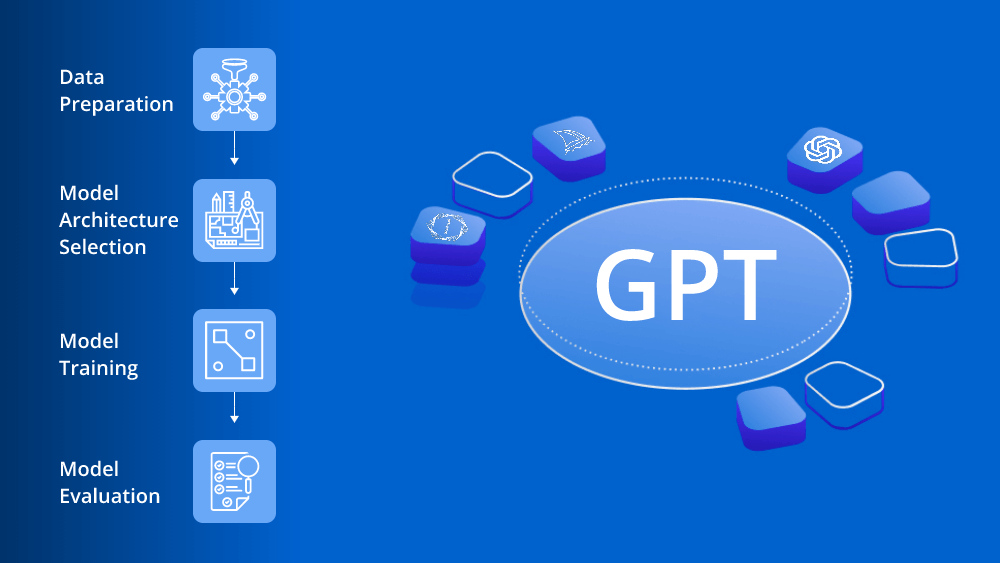
Data Preparation
Once needs are identified, the next step is data preparation. High-quality data is essential for training generative AI models effectively. Organizations must clean, organize, and curate their data to ensure that the AI system can learn from it accurately. This process is crucial for achieving reliable and meaningful outputs.
Model Selection and Training
Selecting the right model for generative AI applications is key. Depending on the specific use case, organizations may choose different types of models, such as GANs for image generation or transformer models for text creation. After selecting a model, it must be trained on the prepared dataset, which may require significant computational resources and time.
Integration and Testing
After training, the generative AI model needs to be integrated into existing systems. This involves ensuring compatibility with current workflows and software. Thorough testing is essential to validate the AI’s performance and make necessary adjustments before full deployment.
Continuous Improvement
Generative AI is not a set-it-and-forget-it solution. Continuous monitoring and improvement are vital to ensure that the AI model adapts to changing data and user needs. Regular updates and retraining can enhance the model’s performance and maintain its relevance in a rapidly evolving landscape.
Conclusion
Generative AI is poised to reshape industries by enabling innovative solutions and enhancing creativity. With a wide range of use cases and applications, its potential is vast. By understanding how to effectively implement generative AI, organizations can harness its power to drive efficiency, personalization, and creativity, ultimately transforming the way we work and interact with technology.
 FinTech blogs
Leave a comment