The fashion industry is experiencing a revolution, largely driven by the integration of artificial intelligence (AI) into various processes. From design to retail, AI in fashion is reshaping how brands operate, enhance customer experiences, and streamline operations. This article explores the use cases, benefits, implementation strategies, and future trends of AI in fashion.
Use Cases of AI in Fashion
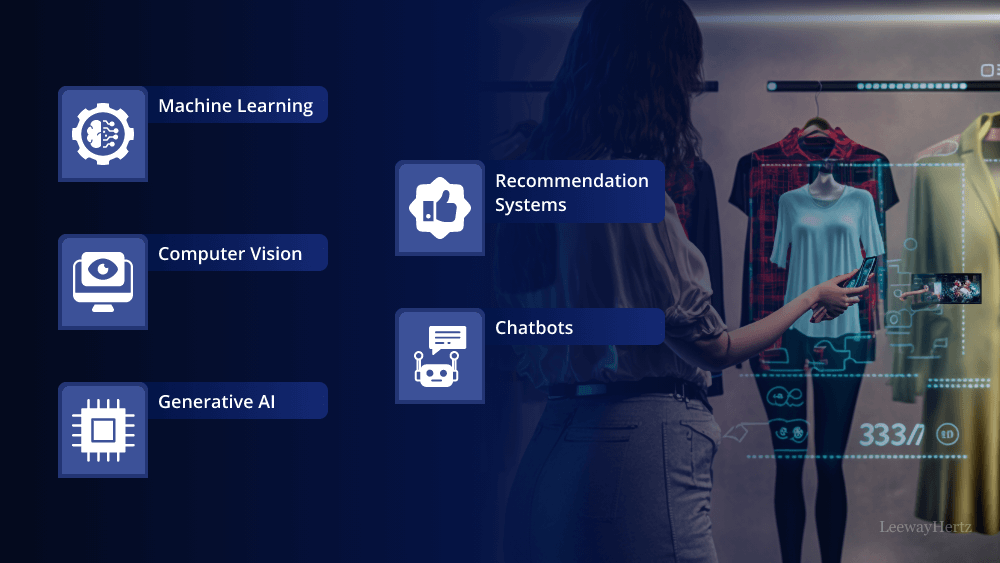
AI in fashion is being applied in several innovative ways, enhancing creativity and efficiency. Some prominent use cases include:
Design and Trend Forecasting
AI algorithms analyze vast amounts of data from social media, online platforms, and fashion shows to identify emerging trends. This predictive capability allows designers to create collections that align with consumer preferences. By analyzing historical data and real-time feedback, AI helps brands anticipate styles that will resonate with their target audience.
Personalization and Customer Experience
One of the most significant applications of AI in fashion is in personalization. AI-driven recommendation systems analyze customer behavior and preferences to suggest personalized products. Virtual fitting rooms and augmented reality experiences allow customers to visualize how clothing will look on them, reducing the likelihood of returns and enhancing customer satisfaction.
Supply Chain Optimization
AI in fashion also plays a crucial role in supply chain management. By analyzing sales data, inventory levels, and market demand, AI helps brands optimize their inventory, reducing waste and ensuring timely delivery. This predictive analytics capability allows brands to adapt to changing consumer preferences and market conditions quickly.
Automated Customer Service
AI-powered chatbots and virtual assistants provide round-the-clock customer support, answering queries and assisting with purchases. This automation not only enhances customer service efficiency but also frees up human resources for more complex tasks, allowing brands to maintain high service levels without significantly increasing costs.
Benefits of AI in Fashion
The integration of AI in fashion offers numerous benefits, making it an invaluable asset for brands looking to thrive in a competitive market.
Enhanced Creativity
By providing insights into consumer preferences and emerging trends, AI empowers designers to be more creative. The data-driven approach allows them to explore new ideas while ensuring their designs are aligned with market demands. This synergy between technology and creativity can lead to innovative fashion solutions.
Improved Efficiency
AI streamlines various processes in the fashion industry, from design to retail. Automation reduces manual workloads, speeding up production cycles and allowing brands to respond swiftly to market changes. This efficiency is crucial for brands aiming to stay relevant in a fast-paced industry.
Cost Reduction
AI helps brands identify inefficiencies in their operations, allowing for cost-saving measures. By optimizing inventory management and supply chain logistics, brands can reduce excess stock and minimize markdowns. These savings can be reinvested into product development and marketing initiatives.
Enhanced Customer Engagement
Personalization enhances customer engagement, fostering brand loyalty. When customers receive tailored recommendations and experiences, they are more likely to make repeat purchases. AI in fashion enables brands to create deeper connections with their customers, enhancing the overall shopping experience.
Implementation Strategies for AI in Fashion
To successfully implement AI in fashion, brands need to adopt strategic approaches. Here are some essential strategies:
Data Collection and Management
The foundation of AI is data. Fashion brands must invest in robust data collection and management systems to gather relevant information about customer preferences, sales trends, and market conditions. This data serves as the fuel for AI algorithms, enabling them to generate meaningful insights.
Collaboration Between Teams
Successful implementation requires collaboration between different departments, including design, marketing, and IT. By fostering an environment where these teams work together, brands can ensure that AI initiatives align with overall business goals. This cross-functional collaboration can enhance creativity and innovation.
Continuous Learning and Adaptation
AI systems must be continually trained and updated to remain effective. Brands should invest in ongoing learning and adaptation to ensure their AI tools evolve with changing market trends and consumer behaviors. This commitment to continuous improvement will help brands stay ahead in a dynamic industry.
Future Trends of AI in Fashion
The future of AI in fashion looks promising, with several emerging trends likely to shape the industry:
Increased Focus on Sustainability
As sustainability becomes a central concern for consumers, AI can play a pivotal role in promoting eco-friendly practices. Brands can leverage AI to optimize materials, reduce waste, and enhance supply chain transparency. This focus on sustainability will not only meet consumer demands but also align with global efforts to combat climate change.
Enhanced Virtual Experiences
The rise of augmented reality (AR) and virtual reality (VR) technologies will further enhance AI’s role in fashion. Virtual fitting rooms and immersive shopping experiences will become increasingly prevalent, allowing customers to engage with brands in new and exciting ways. These innovations will create a more interactive and personalized shopping journey.
Integration of AI with Blockchain
Combining AI with blockchain technology can enhance transparency and traceability in the fashion supply chain. This integration can help brands verify the authenticity of products and ensure ethical sourcing. As consumers become more conscious of their purchasing decisions, this transparency will be a valuable asset for fashion brands.
Adoption of AI-Driven Marketplaces
AI-driven marketplaces will likely become more prevalent, enabling brands to reach wider audiences. These platforms will utilize AI algorithms to match consumers with products that align with their preferences and shopping habits, creating a more efficient marketplace for both brands and consumers.
Conclusion
AI in fashion is revolutionizing the industry, offering numerous benefits and paving the way for innovative practices. By embracing AI technologies, fashion brands can enhance creativity, improve efficiency, and engage customers in meaningful ways. As the industry continues to evolve, the future of AI in fashion promises exciting developments that will shape how brands design, produce, and market their products. Embracing these changes will be crucial for brands looking to thrive in an increasingly competitive landscape.
 FinTech blogs
Leave a comment