The fashion industry is undergoing a remarkable transformation, thanks to the integration of artificial intelligence (AI) in fashion. As technology continues to evolve, designers, retailers, and consumers are increasingly leveraging AI to enhance various aspects of the fashion ecosystem. This article explores the diverse use cases, benefits, implementation strategies, and future trends of AI in fashion.
Use Cases of AI in Fashion
AI in fashion is being applied in multiple areas, revolutionizing the way brands operate and how consumers shop. Here are some key use cases:
1. Personalized Shopping Experiences
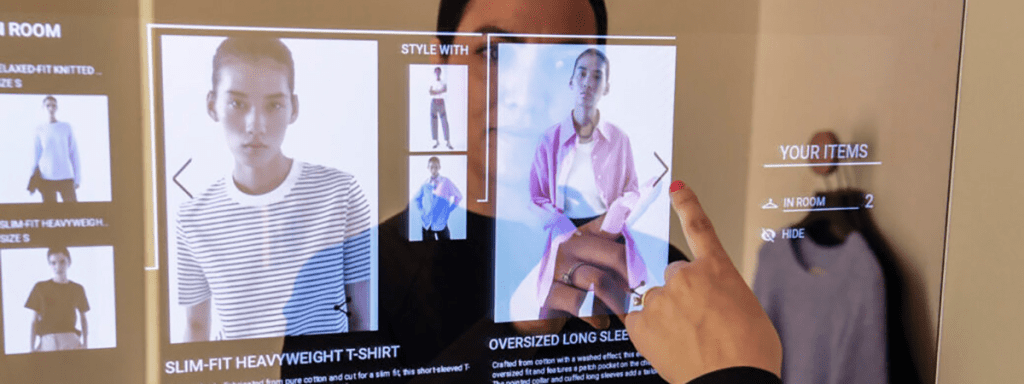
One of the most significant applications of AI in fashion is personalizing the shopping experience for consumers. By analyzing user data, preferences, and purchase history, AI algorithms can recommend products tailored to individual tastes. This enhances customer satisfaction and encourages repeat purchases, as shoppers feel more connected to brands that understand their needs.
2. Inventory Management
AI in fashion also plays a crucial role in inventory management. Retailers can utilize AI algorithms to predict demand patterns, allowing them to optimize stock levels and reduce waste. By accurately forecasting which items will sell best, companies can minimize overproduction and markdowns, resulting in significant cost savings.
3. Design and Trend Forecasting
Designers are using AI to analyze fashion trends and consumer behavior. Machine learning algorithms can sift through vast amounts of data from social media, fashion shows, and online searches to identify emerging trends. This enables designers to create collections that resonate with current consumer preferences, ensuring relevance in a fast-paced industry.
4. Virtual Try-Ons
AI technology is transforming the online shopping experience with virtual try-on solutions. By using augmented reality (AR) and AI, customers can visualize how clothing items will look on them before making a purchase. This technology reduces the likelihood of returns and enhances the overall shopping experience, making it more engaging for consumers.
Benefits of AI in Fashion
The integration of AI in fashion offers numerous benefits, transforming not only business operations but also consumer interactions. Here are some key advantages:
1. Enhanced Customer Engagement
AI-driven personalization helps brands connect with consumers on a deeper level. By offering tailored recommendations and targeted marketing campaigns, businesses can foster greater customer loyalty and engagement. This leads to increased brand affinity and higher conversion rates.
2. Increased Efficiency
AI automates many processes within the fashion industry, streamlining operations and reducing manual labor. Tasks such as inventory management, trend analysis, and customer service can be optimized using AI tools, allowing companies to focus on strategic initiatives and innovation.
3. Sustainability
Sustainability is a growing concern in the fashion industry, and AI in fashion can play a significant role in addressing this issue. By optimizing production processes and reducing waste, AI helps brands adopt more sustainable practices. Furthermore, AI can analyze materials and manufacturing methods to suggest eco-friendly alternatives.
4. Improved Decision-Making
AI provides valuable insights and analytics that empower fashion brands to make data-driven decisions. By leveraging AI to analyze market trends and consumer behavior, companies can develop strategies that align with current demands, ensuring they remain competitive in a rapidly evolving landscape.
Implementation of AI in Fashion
Integrating AI in fashion requires a strategic approach. Here are some key steps for successful implementation:
1. Data Collection and Management
The foundation of AI in fashion is robust data collection and management. Companies must gather and organize data from various sources, including sales records, customer interactions, and social media insights. Effective data management is essential for training AI algorithms and generating accurate predictions.
2. Collaborating with Experts
Fashion brands looking to implement AI should consider collaborating with data scientists and AI specialists. These experts can provide valuable insights into the selection of appropriate AI tools and technologies, ensuring that brands maximize the potential of their AI initiatives.
3. Testing and Iteration
AI implementation is an iterative process. Fashion brands should start with pilot projects to test the effectiveness of their AI solutions. Gathering feedback and analyzing results will help refine AI models and enhance their accuracy over time.
4. Training Employees
As AI becomes more integrated into fashion operations, it is crucial to train employees to work alongside AI technologies. Upskilling the workforce ensures that staff members can effectively utilize AI tools and understand their implications for the business.
Future Trends of AI in Fashion
The future of AI in fashion holds exciting possibilities. Here are some anticipated trends:
1. Increased Use of AI in Sustainability Efforts
As sustainability becomes a priority, the use of AI in fashion will expand to support eco-friendly initiatives. Brands will increasingly rely on AI to optimize production processes, reduce waste, and identify sustainable materials.
2. Greater Personalization Through AI
The demand for personalized shopping experiences will drive further advancements in AI. Fashion brands will leverage AI algorithms to analyze consumer data in real-time, allowing for even more tailored recommendations and marketing efforts.
3. AI-Powered Supply Chains
The integration of AI in supply chain management will become more prominent, enabling brands to optimize logistics and enhance efficiency. AI can help companies anticipate demand fluctuations, streamline distribution, and improve overall supply chain transparency.
4. Expansion of Virtual Reality Shopping Experiences
As virtual and augmented reality technologies continue to evolve, the application of AI in these areas will grow. Brands will increasingly offer immersive shopping experiences, allowing consumers to explore collections in virtual environments and try on clothing using advanced AI technologies.
Conclusion
AI in fashion is transforming the industry, offering innovative solutions that enhance customer experiences, streamline operations, and promote sustainability. As technology continues to evolve, the potential for AI in fashion will only expand, paving the way for a more efficient, personalized, and eco-conscious future in the fashion world. Embracing AI is no longer an option but a necessity for brands looking to thrive in this dynamic landscape.
 FinTech blogs
Leave a comment