In recent years, AI in logistics and supply chain management has emerged as a game-changer, enabling companies to enhance operational efficiency, reduce costs, and improve customer satisfaction. This article delves into the various use cases, applications, solutions, and implementation strategies for integrating AI into logistics and supply chain processes.
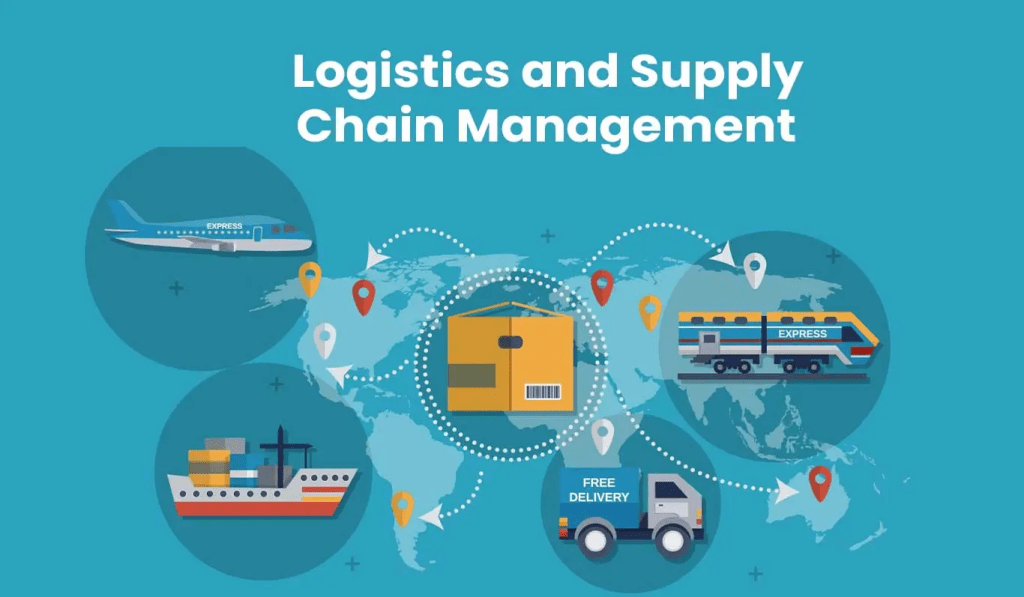
Understanding AI in Logistics and Supply Chain
Artificial Intelligence refers to the simulation of human intelligence in machines that are programmed to think and learn like humans. In logistics and supply chain management, AI technologies can analyze large volumes of data to optimize processes, predict trends, and make informed decisions. With the increasing complexity of global supply chains, the need for effective AI solutions is more crucial than ever.
Use Cases of AI in Logistics and Supply Chain
- Demand Forecasting: One of the primary uses of AI in logistics and supply chain is demand forecasting. AI algorithms can analyze historical sales data, market trends, and seasonal factors to predict future demand accurately. This helps companies to optimize inventory levels, reduce stockouts, and minimize excess inventory costs.
- Route Optimization: AI technologies can significantly enhance route optimization for transportation. By considering factors such as traffic patterns, weather conditions, and delivery windows, AI can determine the most efficient routes for delivery trucks. This not only reduces fuel consumption but also improves delivery times, leading to increased customer satisfaction.
- Warehouse Management: AI in logistics and supply chain also plays a crucial role in warehouse management. AI-driven robots can automate the picking and packing processes, reducing human error and speeding up operations. Additionally, AI systems can optimize storage space and manage inventory levels more effectively.
- Predictive Maintenance: Equipment failures can lead to significant disruptions in supply chain operations. AI can help in predictive maintenance by analyzing data from machinery and equipment to predict potential failures before they occur. This allows for timely maintenance, reducing downtime and operational costs.
- Supplier Risk Management: AI can be employed to assess and mitigate risks associated with suppliers. By analyzing various data points, including financial stability, delivery performance, and geopolitical factors, AI can provide insights into potential risks. This helps companies make informed decisions when selecting and managing suppliers.
Applications of AI in Logistics and Supply Chain
AI technologies have a broad range of applications within logistics and supply chain management. Some notable applications include:
- Natural Language Processing (NLP): NLP can be used to enhance customer service in logistics by automating responses to customer inquiries. Chatbots powered by AI can provide real-time support, improving customer engagement and satisfaction.
- Machine Learning Algorithms: These algorithms can be employed to analyze historical data and make predictions about future trends in supply chain operations. By continuously learning from new data, machine learning can refine its predictions over time.
- Robotic Process Automation (RPA): RPA can automate repetitive tasks such as order processing, invoice generation, and data entry. This not only saves time but also reduces the likelihood of errors.
- Computer Vision: AI-driven computer vision can be used for quality control in warehouses, ensuring that products meet quality standards before shipment. This reduces returns and enhances overall product quality.
Solutions for Integrating AI in Logistics and Supply Chain
To effectively leverage AI in logistics and supply chain, organizations must consider several solutions:
- Data Management Systems: Implementing robust data management systems is essential for collecting, storing, and analyzing data. These systems should integrate data from various sources, including ERP systems, IoT devices, and external market data.
- AI Software Platforms: Investing in AI software platforms that offer machine learning capabilities can help organizations develop tailored solutions for their specific logistics challenges. These platforms should support real-time data processing and analytics.
- Cloud Computing: Utilizing cloud computing solutions enables organizations to scale their AI capabilities without significant upfront investments. Cloud-based platforms can facilitate collaboration among supply chain partners and allow for the seamless sharing of data.
- Training and Development: To maximize the benefits of AI in logistics and supply chain, companies must invest in training their workforce. Employees should be equipped with the necessary skills to operate AI tools and interpret data-driven insights.
Implementation Strategies for AI in Logistics and Supply Chain
The successful implementation of AI in logistics and supply chain requires a strategic approach:
- Identify Specific Challenges: Organizations should start by identifying specific challenges within their logistics and supply chain operations that AI can address. This may include issues related to inventory management, transportation efficiency, or supplier relationships.
- Develop a Clear Roadmap: Creating a detailed roadmap for AI implementation can help organizations stay on track. This roadmap should outline the necessary steps, resources required, and timelines for achieving specific objectives.
- Pilot Projects: Before full-scale implementation, companies should consider running pilot projects to test AI solutions in a controlled environment. This allows for adjustments based on real-world feedback and minimizes risks.
- Monitor and Optimize: After implementation, it is crucial to continuously monitor the performance of AI solutions. Organizations should be prepared to optimize their systems based on new data and evolving market conditions.
Conclusion
The integration of AI in logistics and supply chain management offers immense potential to transform operations and drive efficiencies. By leveraging advanced technologies for demand forecasting, route optimization, warehouse management, and more, organizations can enhance their competitiveness in the market. As businesses continue to embrace AI solutions, they will be better equipped to navigate the complexities of global supply chains, ultimately leading to improved customer satisfaction and increased profitability.
 FinTech blogs
Leave a comment