Introduction
Artificial Intelligence (AI) has become an integral part of various sectors, and information technology is no exception. The incorporation of AI in information technology is not just a trend; it represents a fundamental shift in how data is processed, analyzed, and utilized. This article explores the multifaceted applications of AI in information technology, its benefits, challenges, and future potential.
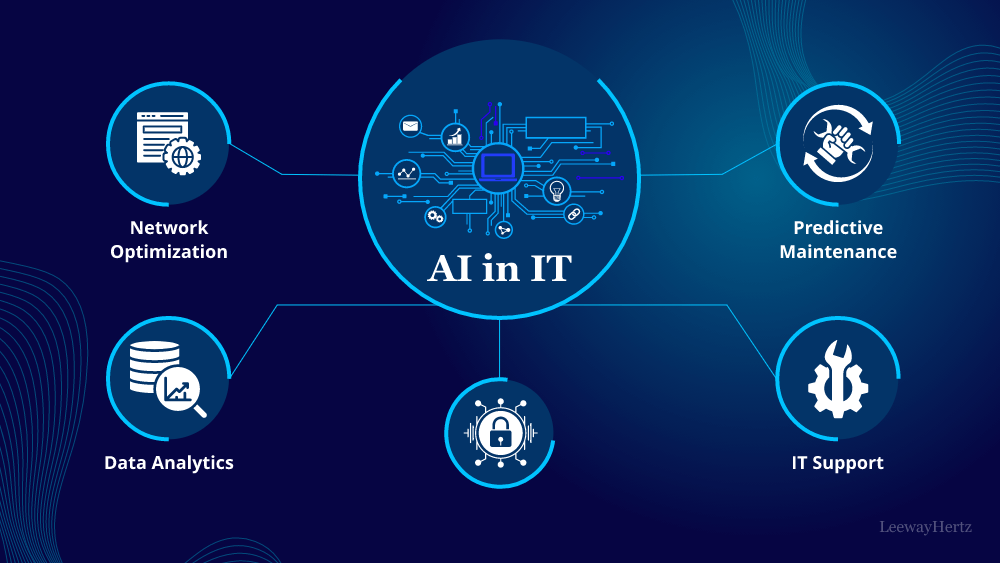
Understanding AI in Information Technology
AI in information technology refers to the use of algorithms and machine learning techniques to enable systems to perform tasks that typically require human intelligence. These tasks include problem-solving, pattern recognition, natural language processing, and decision-making. By leveraging AI, organizations can enhance their operational efficiency, improve customer experiences, and drive innovation.
Applications of AI in Information Technology
1. Data Analysis and Management
One of the most significant applications of AI in information technology is data analysis. With the exponential growth of data, traditional data management techniques often fall short. AI-powered tools can analyze vast amounts of data quickly, extracting valuable insights that can guide strategic decisions. Predictive analytics, driven by AI, allows organizations to forecast trends, identify potential issues, and optimize resource allocation.
2. Cybersecurity
Cybersecurity is another critical area where AI in information technology is making a substantial impact. As cyber threats become more sophisticated, traditional security measures are increasingly inadequate. AI algorithms can analyze patterns in network traffic, identify anomalies, and respond to threats in real time. This proactive approach not only enhances security but also minimizes the damage caused by cyberattacks.
3. Automation of IT Processes
The automation of IT processes is transforming how organizations operate. AI in information technology allows for the automation of repetitive tasks such as software testing, system monitoring, and incident management. By streamlining these processes, organizations can reduce operational costs, minimize human error, and free up IT staff to focus on more strategic initiatives.
4. Enhancing User Experience
AI plays a crucial role in enhancing user experience through personalized services. By analyzing user behavior and preferences, AI algorithms can tailor recommendations, optimize interfaces, and provide real-time assistance. Chatbots, powered by natural language processing, enable organizations to offer 24/7 support, improving customer satisfaction and engagement.
Benefits of AI in Information Technology
1. Increased Efficiency
The incorporation of AI in information technology significantly boosts efficiency. Tasks that previously took hours or days can now be completed in minutes, allowing organizations to respond swiftly to market changes. This agility is vital in today’s fast-paced business environment.
2. Cost Reduction
AI-driven solutions can lead to substantial cost savings. By automating routine tasks and optimizing processes, organizations can reduce labor costs and minimize the likelihood of costly errors. Additionally, AI can help organizations identify areas where they can cut expenses without compromising quality.
3. Improved Decision-Making
AI in information technology enhances decision-making processes by providing data-driven insights. With advanced analytics, organizations can make informed choices based on real-time data, reducing reliance on intuition or outdated information. This leads to better outcomes and more strategic planning.
Challenges of Implementing AI in Information Technology
1. Data Privacy Concerns
While AI offers numerous benefits, it also raises significant data privacy concerns. The collection and analysis of vast amounts of personal data can lead to potential breaches of privacy. Organizations must ensure they comply with regulations and implement robust security measures to protect user data.
2. Integration with Existing Systems
Integrating AI into existing IT infrastructure can be challenging. Organizations may face compatibility issues with legacy systems, requiring significant investment in upgrades or replacements. This integration process can also disrupt operations if not managed carefully.
3. Skill Gaps
The rapid advancement of AI technologies creates a demand for skilled professionals who can develop, implement, and manage these systems. Organizations may struggle to find talent with the necessary expertise, leading to delays in AI adoption and implementation.
The Future of AI in Information Technology
As technology continues to evolve, the role of AI in information technology is expected to expand further. Emerging trends such as edge computing, quantum computing, and the Internet of Things (IoT) will likely amplify the capabilities of AI, creating new opportunities for innovation. Organizations that embrace these advancements will be better positioned to stay competitive in the digital landscape.
Conclusion
The integration of AI in information technology is transforming the industry, offering unprecedented opportunities for efficiency, cost reduction, and improved decision-making. While challenges exist, the potential benefits far outweigh the drawbacks. As organizations continue to adopt AI technologies, they will pave the way for a more intelligent and responsive information technology landscape. Embracing AI is not just a choice; it is essential for survival and success in an increasingly competitive world.
Through understanding and implementing AI in information technology, businesses can unlock new levels of innovation and performance, ensuring they remain at the forefront of their industries.
 FinTech blogs
Leave a comment