Computer Vision Software Development is at the forefront of technological innovation, shaping industries and influencing the future of automation, artificial intelligence, and data analysis. It enables machines to “see,” process, and analyze visual data in ways that mimic human vision. This technology has countless applications, ranging from healthcare and manufacturing to automotive and retail industries. In this article, we’ll explore the various facets of Computer Vision Software Development, its impact, and its future potential.
What is Computer Vision Software Development?
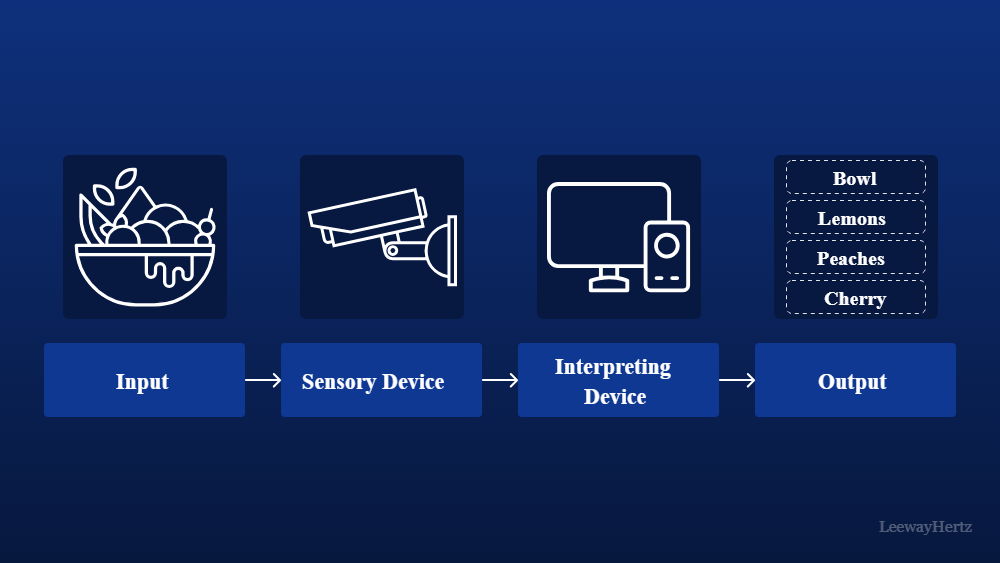
Computer Vision Software Development is the process of designing and creating software that enables machines to interpret and make decisions based on visual inputs from the world around them. This could include images, videos, or real-time feeds from cameras or sensors. Using advanced algorithms, machine learning, and artificial intelligence, computer vision can identify objects, detect patterns, and even predict events based on visual data.
The development process involves creating the necessary algorithms, integrating machine learning models, and implementing software that can efficiently process visual data. For developers, this means working with large datasets, training neural networks, and optimizing systems to interpret complex visual information in real time.
Key Technologies in Computer Vision Software Development
There are several key technologies that drive Computer Vision Software Development. These technologies are critical for the successful application of computer vision across different industries.
Image Recognition
One of the most well-known aspects of Computer Vision Software Development is image recognition. Image recognition technology allows software to identify and categorize objects within an image. This capability is used in applications ranging from facial recognition to medical imaging, where machines can identify diseases from X-ray or MRI scans.
Developers working in this area must ensure that the algorithms used for image recognition are accurate, fast, and capable of working with large datasets. Machine learning plays a significant role in improving the accuracy of image recognition systems.
Object Detection
Object detection goes a step beyond image recognition by not only identifying objects within an image but also pinpointing their location. This technology is commonly used in autonomous vehicles, robotics, and security systems. By accurately detecting objects in real-time, machines can make decisions faster and more accurately than humans in some situations.
Developing object detection software requires expertise in creating algorithms that can handle large volumes of data in real time. Developers need to ensure that their software can efficiently recognize and locate multiple objects within a scene without compromising performance.
Deep Learning and Neural Networks
Deep learning and neural networks form the backbone of modern Computer Vision Software Development. These technologies allow systems to learn from vast amounts of data, improving their ability to analyze images, recognize patterns, and make predictions. Neural networks are designed to mimic the way the human brain processes information, making them ideal for tasks that require high-level decision-making based on visual inputs.
In computer vision, developers use convolutional neural networks (CNNs), which are particularly effective for analyzing visual data. These networks can automatically detect features in images, making them highly efficient in tasks like image classification and object detection.
Applications of Computer Vision Software Development
The advancements in Computer Vision Software Development have led to a broad range of applications in various industries. Below are some of the key areas where this technology is making an impact.
Healthcare
In healthcare, Computer Vision Software Development is being used to assist in medical imaging, diagnostics, and even surgery. AI-powered systems can analyze medical scans, such as X-rays and MRIs, to detect diseases and abnormalities with high precision. This can lead to faster diagnoses and more accurate treatments, ultimately improving patient outcomes.
Automotive
The automotive industry has been revolutionized by computer vision, particularly with the development of autonomous vehicles. Self-driving cars rely on computer vision to navigate roads, detect obstacles, and make split-second decisions that ensure safety. Object detection and real-time video analysis are crucial components of the software that powers these vehicles.
Retail
In retail, Computer Vision Software Development is used to enhance customer experiences and streamline operations. From cashier-less stores to automated inventory management, computer vision helps retailers optimize their processes. For instance, AI-powered cameras can monitor stock levels and automatically reorder products when supplies are running low.
Challenges in Computer Vision Software Development
Despite its many benefits, there are challenges associated with Computer Vision Software Development. One of the primary challenges is ensuring that the software can accurately interpret complex visual data in real-world environments. This can be particularly difficult in cases where lighting, angle, or motion affects the quality of the visual data.
Another challenge is data privacy. With the widespread use of cameras and sensors, there is growing concern over how visual data is collected and used. Developers must implement robust security measures to ensure that sensitive information is protected and that their software complies with privacy regulations.
Future of Computer Vision Software Development
The future of Computer Vision Software Development is promising, with many exciting developments on the horizon. As artificial intelligence continues to advance, we can expect computer vision systems to become even more accurate and capable. Improvements in hardware, such as more powerful processors and better cameras, will also contribute to the evolution of this field.
One area where we can expect to see significant growth is augmented reality (AR) and virtual reality (VR). Computer vision is crucial to creating immersive experiences in AR and VR environments, allowing users to interact with digital objects as if they were real. This technology could revolutionize industries such as gaming, education, and remote work.
Another future trend is the integration of computer vision with the Internet of Things (IoT). By combining computer vision with IoT devices, we can create smarter cities, homes, and industries. For example, smart cameras in cities could monitor traffic flow and adjust signals in real-time to reduce congestion.
Conclusion
Computer Vision Software Development is a rapidly evolving field with vast potential to transform industries and enhance the capabilities of machines. From healthcare to retail, the ability to process and analyze visual data is opening up new opportunities for innovation. While challenges remain, the future of computer vision looks bright as technology continues to advance. Developers in this field are at the cutting edge of creating intelligent systems that can “see” and understand the world, shaping the future of automation and artificial intelligence.
 FinTech blogs
Leave a comment