Computer vision software development is an exciting and rapidly growing field within artificial intelligence. It focuses on enabling machines to interpret and understand the visual world. With advancements in technology, this area has seen a significant surge in applications across various industries, including healthcare, automotive, agriculture, and more. This article will explore the fundamental aspects of computer vision software development, its applications, and its future trends.
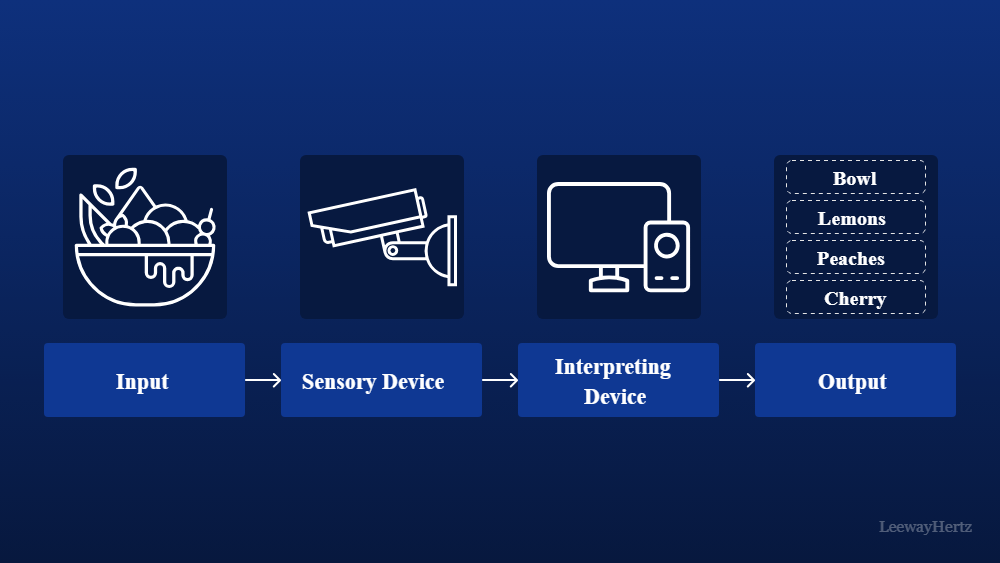
What is Computer Vision?
Computer vision is a branch of artificial intelligence that allows computers and systems to derive meaningful information from digital images, videos, and other visual inputs. The goal is to automate tasks that the human visual system can perform. By using algorithms, computer vision software can analyze visual data, identify objects, recognize patterns, and make decisions based on the information gathered. This capability has led to significant breakthroughs in areas such as image recognition, facial recognition, and object detection.
Key Components of Computer Vision Software Development
Developing effective computer vision software requires several key components:
1. Image Processing Techniques
Image processing involves manipulating images to enhance their quality or extract useful information. This can include techniques such as filtering, edge detection, and image segmentation. Understanding these techniques is essential for developing computer vision applications that can accurately interpret visual data.
2. Machine Learning and Deep Learning
Machine learning and deep learning are integral to computer vision software development. These technologies enable systems to learn from large datasets and improve their performance over time. Deep learning, particularly using convolutional neural networks (CNNs), has revolutionized the field by allowing computers to recognize complex patterns in images and videos.
3. Data Annotation
Data annotation is the process of labeling images or videos to provide context for machine learning models. Properly annotated data is crucial for training algorithms to ensure they can accurately recognize and classify objects. This step often requires human input, making it an important aspect of computer vision software development.
4. Algorithm Selection
Choosing the right algorithms is vital for the success of computer vision projects. Various algorithms can be used for different tasks, such as image classification, object detection, and image segmentation. Developers must understand the strengths and limitations of each algorithm to select the best fit for their specific use case.
5. Performance Evaluation
Evaluating the performance of computer vision models is essential to ensure accuracy and reliability. Common metrics used for assessment include precision, recall, F1 score, and confusion matrices. Regularly testing and refining models based on these metrics helps improve the overall quality of computer vision software.
Applications of Computer Vision Software Development
The applications of computer vision software development are vast and diverse. Here are a few notable examples:
1. Healthcare
In healthcare, computer vision can assist in diagnosing diseases by analyzing medical images such as X-rays, MRIs, and CT scans. Software can detect anomalies, such as tumors or fractures, improving diagnostic accuracy and reducing the workload on medical professionals.
2. Automotive
In the automotive industry, computer vision plays a critical role in the development of autonomous vehicles. These vehicles use cameras and sensors to perceive their surroundings, allowing them to navigate safely and efficiently. Computer vision software can recognize pedestrians, traffic signs, and other vehicles, making real-time decisions to ensure safe driving.
3. Retail
Retailers are increasingly using computer vision to enhance customer experiences. For example, systems can analyze foot traffic patterns in stores, optimize product placement, and even assist in checkout processes through automated scanning of products. This technology can lead to improved sales and customer satisfaction.
4. Agriculture
In agriculture, computer vision software can monitor crop health and yield. Drones equipped with cameras can capture images of fields, which can then be analyzed to identify issues such as pest infestations or nutrient deficiencies. This enables farmers to make informed decisions, optimizing crop production.
Future Trends in Computer Vision Software Development
As technology continues to advance, several trends are shaping the future of computer vision software development:
1. Enhanced Real-Time Processing
With the increasing demand for real-time analysis, future computer vision applications will likely focus on improving processing speeds. This is particularly important for applications such as autonomous vehicles, where split-second decisions can have significant consequences.
2. Integration with Augmented Reality (AR) and Virtual Reality (VR)
The integration of computer vision with AR and VR technologies is expected to grow. This combination can enhance user experiences in gaming, training simulations, and interactive applications. For instance, computer vision can enable real-world object recognition in AR environments, providing users with relevant information and interactivity.
3. Ethical and Privacy Considerations
As computer vision technologies become more widespread, ethical and privacy concerns will take center stage. Developers must consider how to implement computer vision in ways that respect individual privacy and adhere to regulations. This includes ensuring transparency in data collection and usage.
4. Edge Computing
The rise of edge computing will significantly impact computer vision software development. By processing data closer to the source, such as on devices rather than in the cloud, latency can be reduced, leading to faster response times. This is especially important for applications requiring real-time analysis.
Conclusion
Computer vision software development is a dynamic field with immense potential to transform industries and improve our daily lives. By leveraging advanced algorithms, machine learning, and real-time processing, developers can create innovative solutions that enhance automation and efficiency. As technology continues to evolve, the future of computer vision promises to be even more exciting, with new applications and possibilities emerging. Embracing these advancements will be crucial for organizations looking to stay competitive in the digital age.
 FinTech blogs
Leave a comment