In today’s fast-paced corporate landscape, businesses are increasingly adopting advanced technologies to enhance their operational efficiency. One such technology making waves is generative AI, particularly in the realm of corporate accounting. With its potential to automate tasks, streamline financial processes, and provide real-time insights, generative AI for corporate accounting is reshaping how organizations manage their finances.
Understanding Generative AI in Corporate Accounting
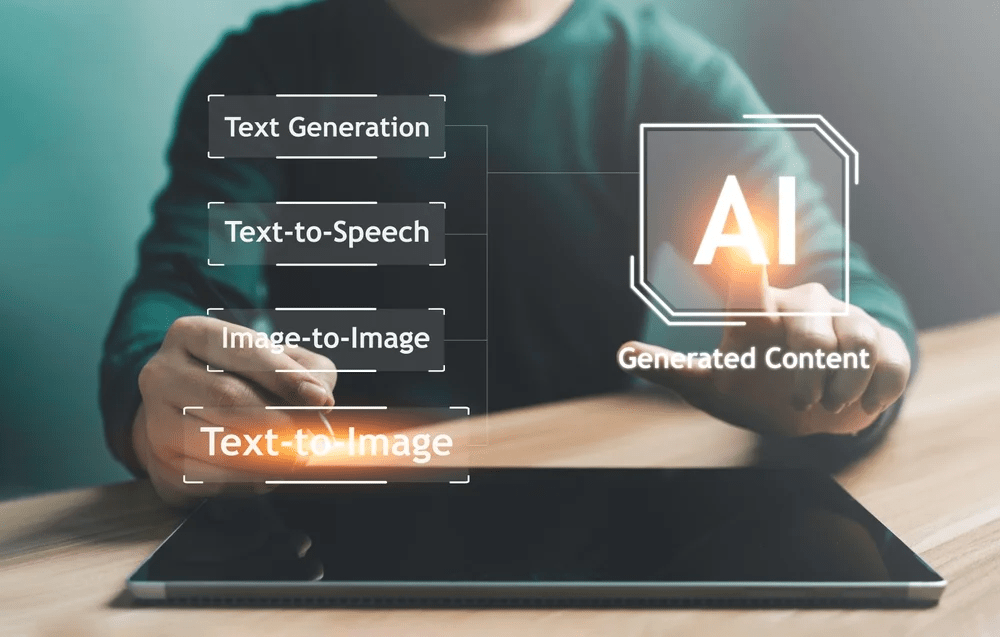
Generative AI refers to artificial intelligence that can create or generate new data, content, or outputs based on the patterns it has learned from vast datasets. In corporate accounting, generative AI goes beyond basic automation. It can analyze complex financial data, generate reports, assist in financial forecasting, and even detect anomalies in transactions. By doing so, generative AI enhances the capabilities of corporate accountants, allowing them to focus more on strategic decision-making.
In traditional accounting, many tasks, such as reconciliation, reporting, and auditing, are manual and time-consuming. Generative AI for corporate accounting automates these processes, offering quicker, more accurate results, reducing human errors, and enabling accountants to dedicate their time to value-added activities.
How Generative AI Enhances Corporate Accounting Efficiency
Corporate accounting involves a variety of tasks ranging from bookkeeping to financial analysis. With the introduction of generative AI, these tasks are not only simplified but also optimized for better accuracy and speed.
- Automation of Routine Tasks: One of the key advantages of generative AI for corporate accounting is its ability to handle repetitive tasks. These include data entry, reconciliation, and generating financial statements. By automating these tasks, businesses can reduce the time spent on mundane work, improve data accuracy, and free up accountants to focus on higher-level financial strategies.
- Improved Financial Reporting: Generative AI can quickly analyze large datasets to generate comprehensive financial reports. This is particularly useful during financial audits, where accurate and timely reporting is crucial. Generative AI can also help in producing real-time reports, allowing companies to stay updated on their financial health at any given moment.
- Anomaly Detection and Fraud Prevention: Detecting financial anomalies is critical in corporate accounting to prevent fraud and ensure compliance. Generative AI is adept at recognizing patterns and detecting inconsistencies that may go unnoticed by human accountants. By flagging potential risks early, it helps corporations mitigate financial losses and ensures adherence to regulatory standards.
- Financial Forecasting and Budgeting: Another important application of generative AI for corporate accounting is in the area of financial forecasting and budgeting. AI models can analyze historical financial data, market trends, and other variables to generate forecasts with greater accuracy. This assists in making informed business decisions, optimizing resource allocation, and predicting future financial performance more effectively.
The Role of Generative AI in Financial Decision-Making
One of the more profound impacts of generative AI on corporate accounting is its role in enhancing decision-making. Traditionally, financial decisions have been based on historical data and manual analysis. Generative AI can process vast amounts of data in real time, providing accountants and executives with up-to-date insights and projections.
- Real-Time Data Analysis: Corporate accounting often involves processing large amounts of data from different sources. Generative AI can analyze this data instantly, offering insights and trends that may not be apparent through manual analysis. This real-time analysis enables better and faster decision-making, giving companies a competitive edge in dynamic markets.
- Scenario Planning: With the ability to simulate various financial scenarios, generative AI aids in strategic planning. Businesses can use AI-generated models to test the impact of different financial decisions before they are made. Whether it’s assessing the potential outcomes of a merger or forecasting the effects of new investments, generative AI offers valuable insights that help mitigate risks and enhance decision-making accuracy.
- Data-Driven Strategy: Generative AI for corporate accounting empowers businesses to develop data-driven strategies. By using predictive analytics, AI can help identify growth opportunities, detect financial risks, and recommend cost-cutting measures. This makes the financial planning process more robust and aligned with the company’s overall objectives.
Addressing Challenges in Implementing Generative AI in Corporate Accounting
While the benefits of generative AI for corporate accounting are numerous, there are also challenges to consider when implementing this technology.
- Data Security and Privacy: Since generative AI systems rely heavily on data, safeguarding sensitive financial information is critical. Corporations must ensure that the AI tools they adopt comply with data privacy regulations and that the data is protected from breaches or unauthorized access.
- Integration with Existing Systems: Another challenge is integrating generative AI with existing accounting software and systems. For AI to function optimally, it must be compatible with the company’s current financial infrastructure, which may require system upgrades or modifications.
- Skill Gaps and Training: The shift to AI-driven accounting may necessitate upskilling for accountants. While generative AI takes over routine tasks, accountants will need to develop skills in data interpretation, strategic thinking, and understanding AI-generated outputs. Providing the necessary training will be essential to a smooth transition.
The Future of Generative AI in Corporate Accounting
Generative AI for corporate accounting is still evolving, but its potential is undeniable. As AI technology continues to advance, we can expect even more sophisticated tools that will transform how companies manage their finances.
In the future, generative AI may fully automate tax planning, payroll management, and even compliance reporting. Furthermore, it could integrate with blockchain technology to create immutable, real-time financial records, making audits seamless and instantaneous.
Ultimately, generative AI will not replace accountants, but it will enhance their roles, allowing them to focus on more complex financial strategies and decision-making. The combination of human expertise and AI-driven insights will create a more efficient, accurate, and agile accounting process.
Conclusion
The incorporation of generative AI into corporate accounting is a game-changer for businesses looking to improve efficiency, accuracy, and strategic decision-making. By automating routine tasks, enhancing financial reporting, and providing real-time insights, generative AI offers a revolutionary approach to managing corporate finances.
As this technology continues to evolve, companies that embrace generative AI for corporate accounting will be better equipped to navigate the complexities of the financial world, ensuring their long-term success in an increasingly competitive landscape.
 FinTech blogs
Leave a comment