Generative AI in healthcare has emerged as a transformative force, revolutionizing the way medical professionals approach diagnostics, treatment planning, and patient engagement. By leveraging advanced algorithms and machine learning techniques, generative AI is enhancing the accuracy of medical predictions, streamlining workflows, and improving patient outcomes. This article explores the applications, benefits, and challenges of generative AI in healthcare, shedding light on its potential to reshape the industry.
Understanding Generative AI
Generative AI refers to a category of artificial intelligence that can generate new content or data based on existing patterns. This technology utilizes algorithms trained on large datasets to produce text, images, music, and more. In the context of healthcare, generative AI analyzes vast amounts of medical data, including patient records, clinical studies, and treatment outcomes, to create predictive models and simulations that assist healthcare professionals in decision-making.
Applications of Generative AI in Healthcare
Generative AI is making significant strides across various areas of healthcare. Here are some key applications:
1. Enhanced Diagnostics
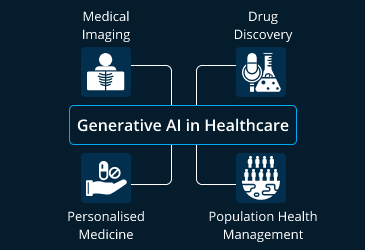
One of the most promising applications of generative AI in healthcare is its ability to improve diagnostic accuracy. By analyzing medical imaging data, such as X-rays, MRIs, and CT scans, generative AI can assist radiologists in identifying abnormalities and diseases at earlier stages. The technology can generate detailed reports and highlight potential areas of concern, ensuring that healthcare providers do not overlook critical information.
2. Personalized Treatment Plans
Generative AI enables the creation of personalized treatment plans tailored to individual patient needs. By analyzing a patient’s medical history, genetic information, and lifestyle factors, the technology can suggest treatment options that are more likely to be effective for that specific patient. This approach not only enhances patient outcomes but also minimizes the risks associated with one-size-fits-all treatments.
3. Drug Discovery and Development
The pharmaceutical industry is leveraging generative AI to expedite drug discovery and development processes. Traditional drug development can be time-consuming and costly, often taking years to bring a new medication to market. Generative AI can analyze chemical compounds, predict their interactions, and simulate their effects, significantly reducing the time and resources required for research and development.
4. Virtual Health Assistants
Generative AI in healthcare is also facilitating the creation of virtual health assistants. These AI-powered chatbots and applications can engage with patients, answer their questions, and provide medical information. By offering immediate assistance, virtual health assistants enhance patient engagement and support self-management, particularly for chronic conditions.
5. Clinical Decision Support
Generative AI systems can assist healthcare providers in making informed clinical decisions. By analyzing data from various sources, such as clinical guidelines, research articles, and patient histories, the technology can provide recommendations for diagnosis and treatment. This support enhances the decision-making process and helps healthcare professionals stay updated on the latest medical advancements.
Benefits of Generative AI in Healthcare
The integration of generative AI in healthcare offers several advantages:
1. Improved Efficiency
Generative AI can automate repetitive tasks, such as data entry and analysis, allowing healthcare professionals to focus on patient care. By streamlining administrative processes, generative AI increases efficiency and reduces the burden on healthcare providers.
2. Enhanced Accuracy
With the ability to analyze vast amounts of data, generative AI can identify patterns and insights that may be missed by human analysts. This leads to improved diagnostic accuracy and more effective treatment plans, ultimately benefiting patient outcomes.
3. Cost Reduction
By accelerating drug discovery and optimizing treatment plans, generative AI can contribute to cost reductions in healthcare. Fewer misdiagnoses and more effective treatments result in lower overall healthcare costs for patients and providers alike.
4. Better Patient Engagement
Generative AI can facilitate improved communication between healthcare providers and patients. Through personalized health recommendations and virtual assistants, patients can receive timely information and support, fostering a greater sense of involvement in their healthcare journey.
Challenges and Considerations
Despite its numerous benefits, the implementation of generative AI in healthcare also presents challenges that need to be addressed:
1. Data Privacy and Security
The use of generative AI requires access to vast amounts of patient data, raising concerns about data privacy and security. Healthcare organizations must ensure that they comply with regulations and implement robust security measures to protect sensitive information.
2. Integration with Existing Systems
Integrating generative AI solutions into existing healthcare systems can be complex. Healthcare organizations must invest in training and resources to ensure that staff can effectively utilize AI tools without disrupting workflows.
3. Ethical Considerations
The use of generative AI in healthcare raises ethical questions regarding bias, accountability, and transparency. It is crucial for stakeholders to establish guidelines and frameworks to ensure that AI systems are developed and used responsibly.
The Future of Generative AI in Healthcare
The future of generative AI in healthcare is promising, with the potential to revolutionize patient care and medical research. As technology continues to evolve, we can expect advancements that enhance diagnostic accuracy, streamline treatment planning, and improve patient engagement.
In conclusion, generative AI in healthcare is transforming the landscape of medicine, offering innovative solutions to longstanding challenges. By harnessing the power of this technology, healthcare professionals can improve patient outcomes, reduce costs, and create a more efficient healthcare system. As we move forward, addressing the challenges associated with generative AI will be essential to ensure its successful integration and ethical application in healthcare settings.
 FinTech blogs
Leave a comment