Introduction to Generative AI
The advent of technology has transformed various industries, and accounting is no exception. Among the most exciting advancements is generative AI. This innovative technology has begun to play a pivotal role in corporate accounting, offering solutions that streamline processes, enhance accuracy, and improve decision-making. By harnessing the power of generative AI, organizations can navigate the complexities of financial management more effectively.
What is Generative AI?
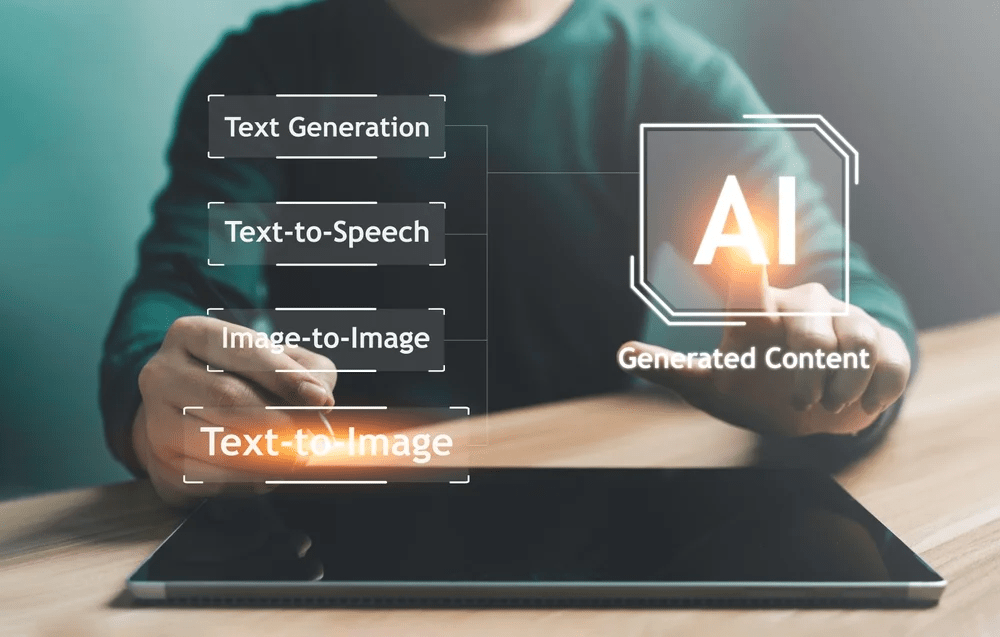
Generative AI refers to algorithms that can generate new content, be it text, images, or other data types, based on existing data inputs. Unlike traditional AI, which primarily analyzes data to provide insights, generative AI can create new and relevant outputs. This capability is particularly useful in corporate accounting, where vast amounts of data are processed regularly. By utilizing generative AI for corporate accounting, companies can automate tasks, reduce human error, and ultimately save time and resources.
Benefits of Generative AI for Corporate Accounting
Enhanced Data Processing
One of the most significant advantages of generative AI for corporate accounting is its ability to process large volumes of data rapidly. Traditional accounting methods can be labor-intensive and prone to errors, particularly when handling complex financial transactions. Generative AI can analyze and interpret data with speed and accuracy, allowing accountants to focus on more strategic tasks.
Improved Financial Forecasting
Accurate financial forecasting is critical for corporate success. Generative AI for corporate accounting can analyze historical data, identify trends, and generate predictive models. By providing insights into future financial scenarios, this technology enables businesses to make informed decisions and better allocate resources. The ability to anticipate financial trends can lead to improved budgeting and investment strategies.
Automation of Routine Tasks
Repetitive tasks such as data entry, invoice processing, and reconciliation can be time-consuming and monotonous. Generative AI can automate these routine accounting functions, freeing up accountants to engage in more valuable work. This shift not only improves efficiency but also enhances job satisfaction, as employees can focus on higher-level tasks that require critical thinking and creativity.
Enhanced Decision-Making
With the capability to analyze vast amounts of data and generate actionable insights, generative AI supports enhanced decision-making in corporate accounting. By providing real-time data analysis and reporting, accountants can make timely decisions that positively impact the organization’s financial health. This agility in decision-making is essential in today’s fast-paced business environment.
Implementation Challenges
While the benefits of generative AI for corporate accounting are substantial, organizations must navigate several challenges during implementation.
Data Privacy and Security
As with any technology that processes sensitive information, data privacy and security are major concerns. Organizations must ensure that their generative AI systems comply with relevant regulations and maintain the confidentiality of financial data. Robust cybersecurity measures should be established to protect against data breaches and unauthorized access.
Integration with Existing Systems
Another challenge is integrating generative AI into existing accounting systems. Organizations often use a variety of software tools for different accounting functions, making seamless integration critical. Companies must invest time and resources in ensuring that generative AI can communicate effectively with their existing systems to maximize its potential.
Employee Training and Adaptation
For generative AI to be successful in corporate accounting, employees must be adequately trained to use the technology. Organizations should provide training programs that educate employees on how to leverage generative AI effectively. This training will facilitate a smooth transition and help employees adapt to new workflows and processes.
The Future of Generative AI in Corporate Accounting
The future of generative AI for corporate accounting looks promising. As technology continues to evolve, we can expect even greater advancements in data analysis and automation. The integration of machine learning and natural language processing will enhance the capabilities of generative AI, making it even more valuable for corporate accounting.
Potential Innovations
Innovations such as automated financial reporting and real-time compliance monitoring will likely become commonplace. By further automating these functions, generative AI can help organizations stay compliant with regulations and standards without manual oversight.
Greater Focus on Strategic Planning
As routine tasks become automated, accountants can shift their focus towards strategic planning and advisory roles. This evolution will enable accountants to provide deeper insights into financial performance and guide organizations toward achieving their strategic objectives.
Conclusion
Generative AI for corporate accounting is transforming the landscape of financial management. By enhancing data processing, improving financial forecasting, and automating routine tasks, this technology enables organizations to operate more efficiently and make informed decisions. While challenges such as data privacy and employee training exist, the potential benefits of generative AI are significant. As the technology continues to advance, it will undoubtedly play an increasingly vital role in shaping the future of corporate accounting. By embracing generative AI, organizations can unlock new opportunities for growth and success in an ever-evolving business environment.
 FinTech blogs
Leave a comment