Introduction to Generative AI
Generative AI refers to a subset of artificial intelligence technologies that are designed to create new content, such as text, images, music, and more. This technology utilizes algorithms and models to generate outputs based on training data, making it a powerful tool for various applications, including creative writing, graphic design, and even software development. As organizations increasingly recognize the potential of generative AI, the need for secure and private data integration in application development becomes paramount.
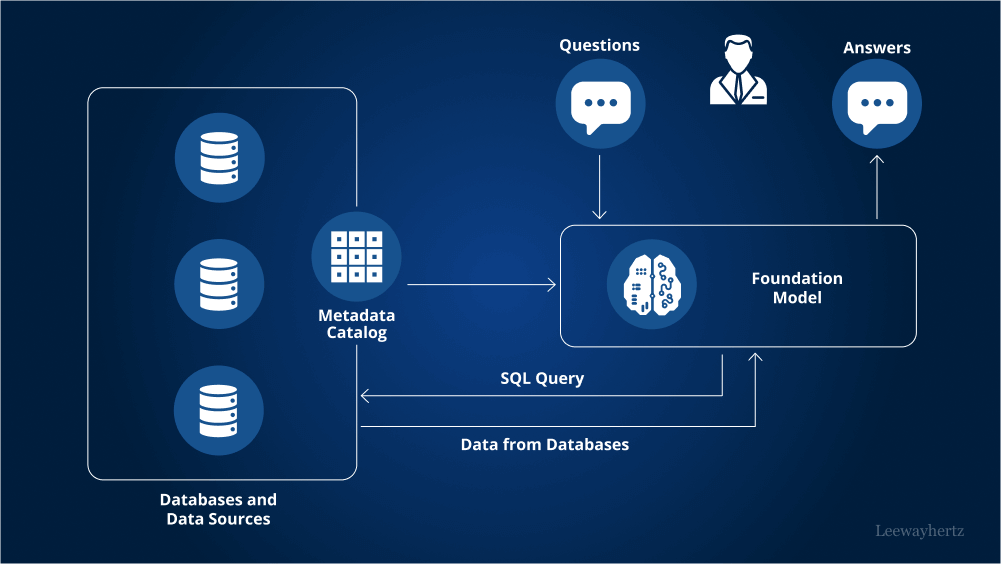
Importance of Secure Private Data Integration
In today’s data-driven world, the protection of sensitive information is more critical than ever. When developing generative AI applications, the integration of secure private data is essential for several reasons:
- Compliance with Regulations: Many industries are subject to stringent data protection regulations, such as the General Data Protection Regulation (GDPR) and the Health Insurance Portability and Accountability Act (HIPAA). By ensuring secure private data integration, developers can comply with these laws and avoid costly penalties.
- User Trust and Confidence: Users are increasingly concerned about how their data is used. By prioritizing secure private data integration, organizations can build trust with their users, reassuring them that their information is safe and handled responsibly.
- Enhanced Data Quality: Secure private data integration helps ensure that the data used in generative AI models is accurate and reliable. High-quality data leads to better model performance, resulting in more effective and relevant outputs.
Challenges in Generative AI Application Development
Developing generative AI applications with secure private data integration presents several challenges:
- Data Privacy Concerns: Generative AI often requires large datasets for training models, which may contain sensitive or personally identifiable information (PII). Developers must navigate the complexities of using this data without compromising privacy.
- Data Security Threats: Cybersecurity threats are rampant, and data breaches can have devastating consequences. Ensuring that data is securely integrated into generative AI applications is crucial to protect against these threats.
- Technical Complexity: The technical requirements for integrating secure private data can be complicated. Developers must be well-versed in encryption, access controls, and secure data transmission to effectively safeguard sensitive information.
Strategies for Secure Private Data Integration
To address these challenges, organizations can adopt several strategies for secure private data integration in generative AI application development:
1. Data Encryption
Implementing encryption is one of the most effective ways to protect sensitive data. By encrypting data at rest and in transit, organizations can ensure that unauthorized users cannot access or read the information. This layer of security is vital for maintaining the confidentiality of private data used in generative AI models.
2. Access Controls
Establishing strict access controls is essential for safeguarding private data. Organizations should limit access to sensitive information only to those individuals or systems that require it for their work. This minimizes the risk of unauthorized access and data leaks.
3. Data Anonymization
Data anonymization techniques can help protect individual privacy while still allowing organizations to utilize valuable datasets. By removing or masking PII from the data used in generative AI applications, developers can mitigate privacy concerns while still generating useful outputs.
4. Compliance Audits
Regular compliance audits can help organizations identify potential vulnerabilities in their data integration processes. By conducting these audits, companies can ensure that they meet regulatory requirements and maintain high standards of data security.
Implementing Secure Private Data Integration in Generative AI Development
When developing generative AI applications, following a structured approach to secure private data integration is vital:
- Assess Data Needs: Identify the types of data required for the generative AI application and evaluate whether sensitive information will be used.
- Choose the Right Tools: Utilize development frameworks and tools that prioritize security and provide built-in features for secure private data integration.
- Design for Privacy: Incorporate privacy by design principles into the application development process. This means considering data security and privacy from the very beginning, rather than as an afterthought.
- Train Staff on Security Best Practices: Educate development teams on the importance of data security and the specific measures needed to protect private data throughout the application lifecycle.
Future Trends in Generative AI and Data Privacy
As technology continues to evolve, several trends are emerging in the realm of generative AI application development with secure private data integration:
1. Increased Use of Synthetic Data
Synthetic data, generated by algorithms to mimic real-world data, is gaining popularity as a solution for data privacy concerns. By using synthetic data, organizations can develop and train generative AI models without compromising real user information.
2. Advanced Privacy-Preserving Techniques
New techniques, such as federated learning and differential privacy, are being developed to enhance data security in AI applications. These methods allow organizations to train models on decentralized data while maintaining privacy.
3. Greater Emphasis on Ethical AI
With growing concerns about data ethics, organizations are increasingly prioritizing ethical considerations in AI development. This includes transparency in data use, bias mitigation, and accountability for AI-generated content.
Conclusion
The integration of secure private data is crucial for the successful development of generative AI applications. By addressing the challenges associated with data privacy and security, organizations can harness the power of generative AI while protecting sensitive information. As the field continues to advance, adopting best practices for secure private data integration will ensure that developers can create innovative applications that users can trust. With a proactive approach to security and privacy, the potential of generative AI can be realized without compromising on ethical standards.
 FinTech blogs
Leave a comment