Introduction: The Promise of Generative AI in Healthcare
Generative AI in healthcare is changing how medical professionals approach diagnosis, treatment, and research. This advanced technology utilizes machine learning models that can generate new data or insights by learning from vast datasets. By transforming how patient information is analyzed and how treatments are delivered, generative AI is setting new standards in healthcare efficiency, accuracy, and personalization.
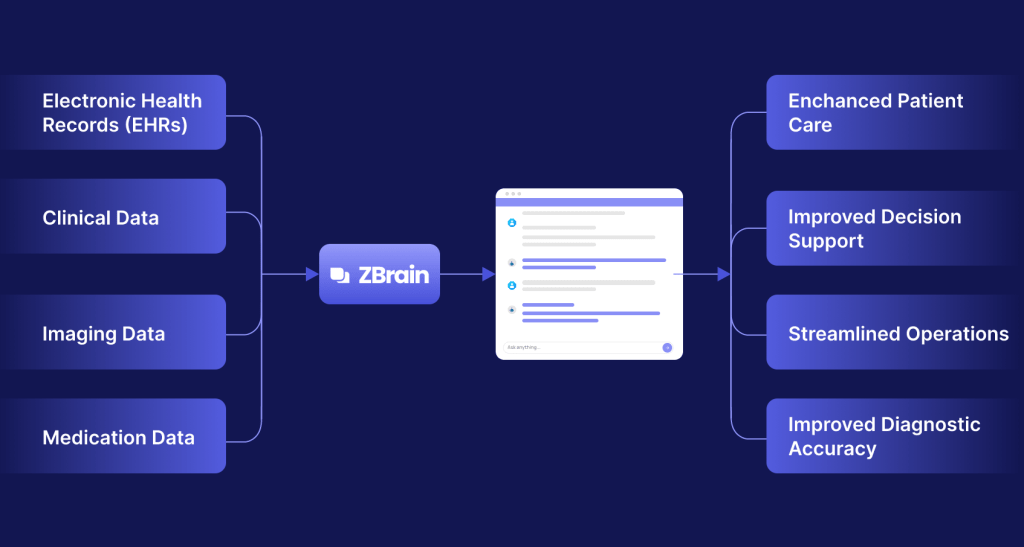
How Generative AI is Revolutionizing Medical Diagnostics
Generative AI is making significant strides in medical diagnostics by offering faster and more accurate interpretations of medical data. AI models can analyze complex medical images, such as X-rays and MRIs, identifying conditions like tumors or fractures with a high degree of accuracy. Beyond imaging, AI tools can analyze patient histories and clinical data to detect diseases earlier than traditional methods, allowing for timely and effective intervention.
Personalized Treatment Plans Through Generative AI
Generative AI in healthcare is also transforming how treatment plans are developed. By analyzing individual patient data, such as genetics, medical history, and even lifestyle factors, AI can create highly personalized treatment plans. This approach allows doctors to tailor treatments based on predicted patient outcomes, improving the effectiveness of interventions for chronic diseases like diabetes or cardiovascular conditions.
Enhancing Drug Discovery and Development with AI
Drug discovery has traditionally been a lengthy and costly process. Generative AI in healthcare is significantly speeding up this process by generating new potential drug compounds and predicting how they might interact with human biology. AI models can simulate drug interactions and accelerate clinical trials, potentially reducing the time it takes for new medications to reach the market. This application holds great promise for addressing unmet medical needs.
Ethical Considerations in the Use of Generative AI in Healthcare
While the benefits of Generative AI in healthcare are vast, its implementation raises several ethical concerns. Issues like patient privacy, data security, and algorithmic bias must be carefully managed. The use of AI in healthcare also requires transparency in decision-making processes and ensuring that human oversight remains central to care delivery. Addressing these ethical challenges is crucial for the responsible integration of AI technologies in healthcare systems.
The Future of Healthcare Powered by Generative AI
The future of healthcare is set to be deeply influenced by Generative AI. From enabling quicker diagnoses and personalized treatments to revolutionizing drug discovery, this technology will continue to reshape how healthcare is delivered. As AI tools become more integrated into clinical practices, the quality of care is expected to improve, making healthcare more efficient, accessible, and precise.
 FinTech blogs
Leave a comment