Introduction to Generative AI in Automotive
Generative AI in automotive is revolutionizing the way vehicles are designed, manufactured, and maintained. This cutting-edge technology leverages machine learning and deep learning algorithms to generate new ideas and solutions, significantly enhancing the efficiency of the automotive industry. As the demand for smarter, more efficient vehicles grows, understanding the role of generative AI becomes essential for stakeholders across the automotive sector.
How Generative AI is Changing Vehicle Design
One of the most significant applications of generative AI in automotive is in the design phase. Traditionally, vehicle design has involved extensive trial and error, requiring designers to create numerous prototypes before settling on a final product. Generative AI streamlines this process by analyzing vast amounts of data to produce innovative designs that meet specific parameters.
By employing generative design algorithms, engineers can input desired specifications such as weight, strength, and material types, allowing the AI to generate multiple design options that meet these criteria. This not only accelerates the design process but also leads to the creation of lighter and more efficient vehicles. As a result, generative AI in automotive is enabling the industry to push the boundaries of creativity and innovation.
Enhancing Manufacturing Processes with Generative AI
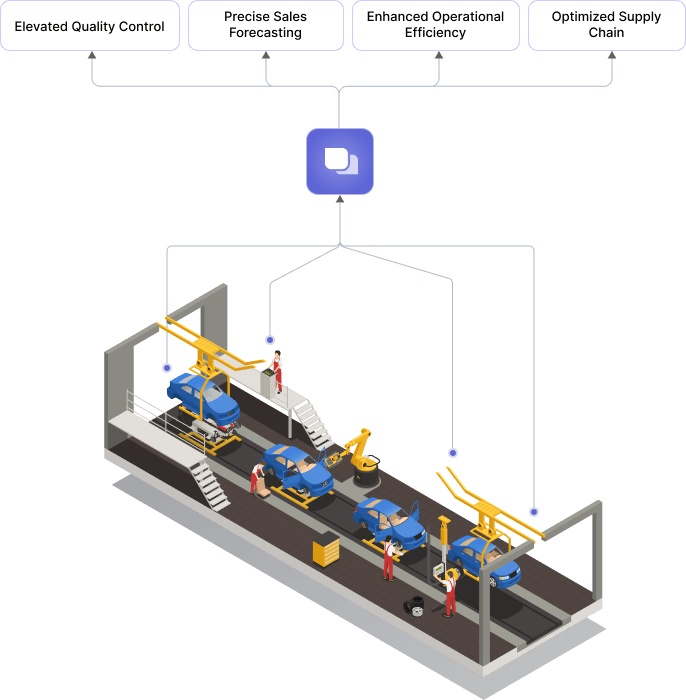
Generative AI in automotive is not just limited to design; it also plays a crucial role in manufacturing processes. By optimizing production schedules, predicting equipment failures, and managing supply chains, generative AI enhances operational efficiency. Machine learning algorithms analyze data from various stages of production, enabling manufacturers to identify bottlenecks and streamline workflows.
Furthermore, generative AI can assist in the development of smart factories. These facilities leverage real-time data to adapt production processes dynamically, allowing for greater flexibility and responsiveness to market demands. The integration of generative AI in automotive manufacturing ultimately leads to cost savings, reduced waste, and improved product quality.
Improving Vehicle Safety and Performance
Another critical aspect of generative AI in automotive is its application in improving vehicle safety and performance. Through advanced simulations, AI can predict how vehicles will respond in various driving conditions, helping engineers identify potential safety issues before they arise. This proactive approach not only enhances the safety of vehicles but also fosters consumer confidence in automotive innovations.
Additionally, generative AI can optimize vehicle performance by analyzing driving data and providing recommendations for enhancements. For example, by understanding how different driving styles impact fuel efficiency, AI can suggest adjustments to engine performance or aerodynamics. This data-driven approach ensures that vehicles are not only safe but also optimized for performance and efficiency.
Revolutionizing Autonomous Vehicles
The rise of autonomous vehicles represents one of the most significant advancements in the automotive industry, and generative AI plays a vital role in this evolution. Through deep learning algorithms, AI systems can analyze real-time data from sensors, cameras, and radar to make informed decisions while driving.
Generative AI in automotive facilitates the development of sophisticated algorithms that allow autonomous vehicles to navigate complex environments. By simulating various driving scenarios, AI can learn how to react to unexpected obstacles, weather conditions, and other road users. This ability to adapt and learn from experience is crucial for the safe deployment of autonomous vehicles on public roads.
Personalization and User Experience
Generative AI in automotive also enhances the personalization of vehicles, tailoring the driving experience to individual preferences. By analyzing driver behavior and preferences, AI can recommend features, settings, and even routes that enhance the overall user experience. For example, AI can learn a driver’s preferred temperature settings, seat positions, and even infotainment preferences, creating a more enjoyable driving experience.
Furthermore, generative AI can contribute to the development of smart infotainment systems that provide real-time information and entertainment based on user preferences. This level of personalization not only enhances driver satisfaction but also fosters brand loyalty in an increasingly competitive market.
Challenges and Considerations
Despite the numerous advantages of generative AI in automotive, there are challenges and ethical considerations that need to be addressed. Data privacy is a significant concern, as the collection and analysis of personal driving data can raise questions about user consent and data security. Ensuring robust data protection measures is essential to build trust among consumers.
Additionally, the implementation of generative AI requires a skilled workforce capable of managing and interpreting AI-generated data. The automotive industry must invest in training and development to equip employees with the necessary skills to work alongside AI technologies.
Conclusion: The Future of Generative AI in Automotive
As generative AI in automotive continues to evolve, its impact on the industry will only grow. From design and manufacturing to safety and user experience, this technology offers innovative solutions that address the challenges facing the automotive sector.
In summary, the integration of generative AI in automotive is not just a trend; it represents a fundamental shift in how vehicles are designed, manufactured, and experienced by consumers. The future of the automotive industry is undoubtedly intertwined with the advancements in generative AI technology, making it an exciting area to watch.
 FinTech blogs
Leave a comment