Introduction
The logistics industry has always been at the forefront of technological advancements, striving for efficiency and cost-effectiveness. In recent years, generative AI in logistics has emerged as a transformative force, reshaping the landscape of supply chain management. By harnessing the capabilities of artificial intelligence, logistics companies can optimize operations, improve decision-making, and enhance customer satisfaction.
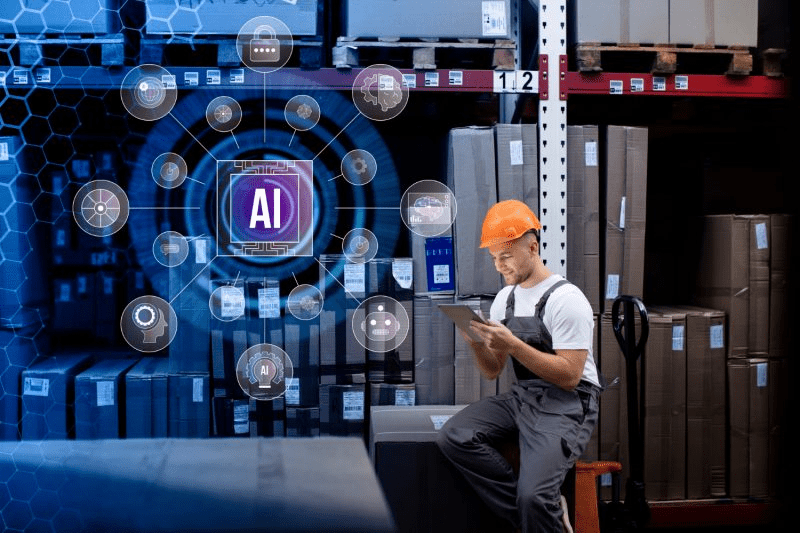
Understanding Generative AI
Generative AI refers to a subset of artificial intelligence that focuses on creating content, data, or solutions based on existing patterns and information. Unlike traditional AI, which primarily analyzes data, generative AI in logistics generates new insights and predictions that can significantly enhance operational efficiency. This technology relies on advanced algorithms and machine learning techniques to process vast amounts of data, identifying trends and patterns that human analysts might overlook.
Optimizing Supply Chain Processes
One of the primary applications of generative AI in logistics is optimizing supply chain processes. By analyzing historical data, generative AI can predict demand fluctuations, enabling logistics companies to adjust inventory levels accordingly. This predictive capability helps prevent overstocking or stockouts, reducing storage costs and improving cash flow. Furthermore, generative AI can optimize routing and delivery schedules, ensuring that goods reach their destinations in the most efficient manner.
Demand Forecasting
Accurate demand forecasting is crucial for effective supply chain management. Generative AI in logistics leverages historical sales data, market trends, and external factors such as economic indicators and weather patterns to generate precise demand forecasts. By providing real-time insights into customer preferences and market dynamics, logistics companies can make informed decisions about production, inventory management, and distribution strategies.
Route Optimization
Logistics operations involve complex routing challenges, often leading to inefficiencies and increased costs. Generative AI can analyze multiple variables, including traffic patterns, delivery windows, and vehicle capacities, to generate optimal delivery routes. This not only minimizes transportation costs but also reduces delivery times, enhancing customer satisfaction. Moreover, by continuously learning from real-time data, generative AI can adapt routes in response to changing conditions, ensuring agility in logistics operations.
Enhancing Decision-Making
Generative AI in logistics empowers decision-makers by providing data-driven insights that improve strategic planning. By simulating various scenarios and outcomes, logistics companies can evaluate the potential impact of different strategies before implementing them. This capability allows businesses to identify risks, optimize resource allocation, and enhance overall operational performance.
Risk Management
Supply chains are vulnerable to various risks, including natural disasters, geopolitical events, and market fluctuations. Generative AI can assess these risks by analyzing historical data and predicting potential disruptions. By simulating different risk scenarios, logistics companies can develop contingency plans and establish resilient supply chain strategies. This proactive approach not only mitigates risks but also enhances business continuity.
Performance Monitoring
Continuous performance monitoring is essential for maintaining operational efficiency in logistics. Generative AI can track key performance indicators (KPIs) in real-time, providing insights into areas that require improvement. By identifying inefficiencies and bottlenecks, logistics companies can implement targeted solutions, enhancing overall productivity and service quality.
Improving Customer Experience
In the competitive landscape of logistics, customer satisfaction is paramount. Generative AI in logistics enhances the customer experience by enabling personalized services and improved communication. By analyzing customer data and preferences, logistics companies can tailor their offerings to meet specific needs.
Personalized Services
Generative AI allows logistics companies to offer personalized services that cater to individual customer preferences. By analyzing past interactions and purchase behaviors, businesses can create tailored solutions that enhance customer satisfaction. This could include customized delivery options, real-time tracking updates, and proactive communication regarding shipment statuses.
Proactive Communication
Effective communication is crucial for maintaining customer trust and satisfaction. Generative AI in logistics can automate communication processes, providing customers with timely updates on their shipments. By leveraging chatbots and virtual assistants, logistics companies can address customer inquiries promptly, enhancing the overall customer experience.
The Future of Generative AI in Logistics
As technology continues to evolve, the role of generative AI in logistics will only grow more significant. Companies that embrace this technology will gain a competitive advantage by streamlining operations, improving decision-making, and enhancing customer experiences. However, it is essential for logistics professionals to stay informed about the latest developments in AI technology and continuously adapt their strategies to leverage its full potential.
Conclusion
Generative AI in logistics is revolutionizing the supply chain management landscape. By optimizing processes, enhancing decision-making, and improving customer experiences, this technology is paving the way for a more efficient and responsive logistics industry. As businesses increasingly recognize the value of generative AI, the future of logistics promises to be more innovative, data-driven, and customer-centric than ever before. Embracing this transformation will be crucial for logistics companies aiming to thrive in a rapidly changing marketplace.
 FinTech blogs
Leave a comment