Introduction
In today’s rapidly evolving business landscape, procurement processes are becoming increasingly complex. With a growing number of vendors and suppliers, ensuring the accuracy of vendor data is critical for operational efficiency and strategic decision-making. This is where AI agents in procurement come into play. These intelligent systems streamline vendor data validation, enabling organizations to manage their supplier relationships more effectively and enhance overall procurement performance.
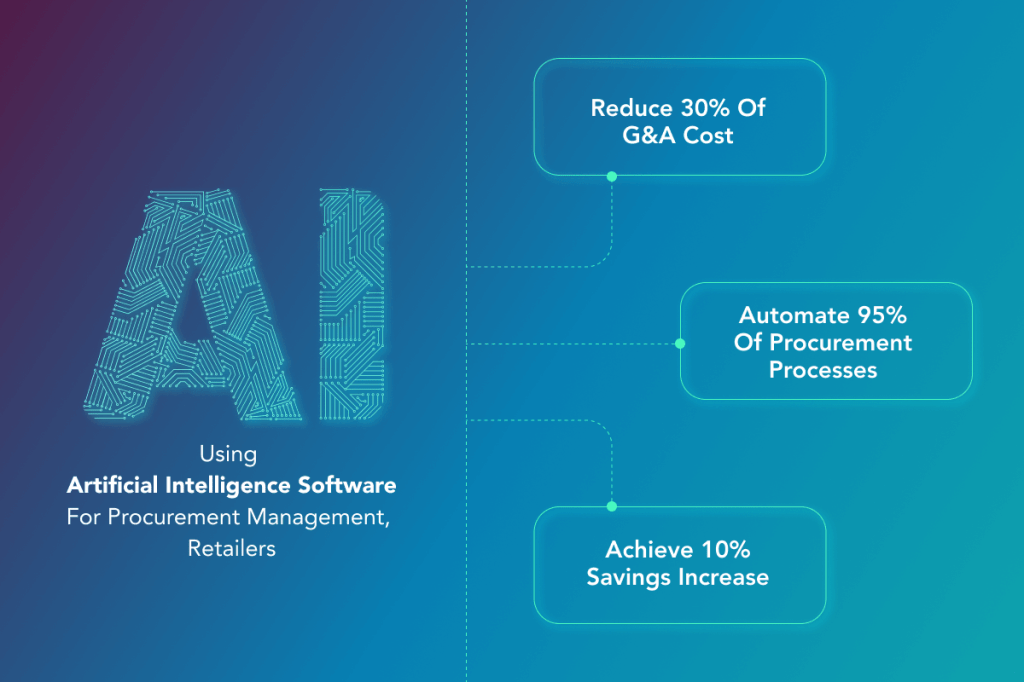
Understanding Vendor Data Validation
Vendor data validation refers to the process of verifying and ensuring that the information collected about vendors is accurate, complete, and reliable. This includes data such as contact information, payment terms, certifications, and compliance documentation. Inaccurate vendor data can lead to various issues, including payment delays, compliance risks, and operational inefficiencies. By implementing robust vendor data validation processes, organizations can mitigate these risks and improve their procurement outcomes.
The Importance of AI Agents in Procurement
AI agents in procurement are designed to automate and optimize various tasks within the procurement cycle, including vendor data validation. These agents utilize advanced algorithms and machine learning techniques to analyze large datasets, identify inconsistencies, and validate vendor information. The use of AI in procurement not only reduces the time and effort required for data validation but also minimizes human error.
Benefits of AI Agents in Vendor Data Validation
- Enhanced Accuracy
AI agents can process vast amounts of data with a high degree of accuracy, reducing the likelihood of errors that can occur with manual data entry. By cross-referencing vendor information against multiple sources, these agents can identify discrepancies and flag them for review. - Time Efficiency
Traditional vendor data validation methods can be time-consuming and labor-intensive. AI agents automate repetitive tasks, allowing procurement teams to focus on more strategic activities. This time efficiency translates into faster procurement cycles and improved responsiveness to market changes. - Cost Savings
By reducing the need for extensive manual labor and minimizing errors, organizations can realize significant cost savings. AI agents in procurement help companies avoid costly mistakes that arise from inaccurate vendor data, such as incorrect payments or compliance violations. - Improved Compliance
Compliance with regulations and standards is essential for procurement operations. AI agents can continuously monitor vendor data to ensure compliance with legal and industry standards, helping organizations avoid potential legal issues and penalties.
How AI Agents Validate Vendor Data
AI agents in procurement utilize several techniques to validate vendor data effectively. These methods include:
1. Data Cleansing
Data cleansing involves removing or correcting inaccurate, incomplete, or irrelevant information from vendor records. AI agents can automate this process by identifying duplicate entries, standardizing data formats, and correcting inaccuracies.
2. Machine Learning Algorithms
Machine learning algorithms enable AI agents to learn from historical data and improve their validation processes over time. By analyzing patterns and trends in vendor data, these agents can make more informed decisions about data accuracy.
3. Integration with External Databases
AI agents can integrate with external databases and resources to cross-verify vendor information. This ensures that the data is not only accurate but also up-to-date, helping procurement teams make informed decisions based on the latest information.
4. Real-Time Monitoring
Continuous monitoring of vendor data is crucial for maintaining accuracy. AI agents can provide real-time updates on vendor information, alerting procurement teams to any changes or discrepancies that may arise.
Challenges in Vendor Data Validation
Despite the benefits of AI agents in procurement, challenges still exist in the vendor data validation process. Some of these challenges include:
- Data Security
As organizations rely on AI agents to handle sensitive vendor information, ensuring data security becomes paramount. Organizations must implement robust cybersecurity measures to protect their data from breaches and unauthorized access. - Integration with Existing Systems
Integrating AI agents into existing procurement systems can be complex. Organizations must ensure that their infrastructure can support these advanced technologies without disrupting ongoing operations. - Resistance to Change
Resistance to adopting new technologies can hinder the implementation of AI agents in procurement. Procurement teams must be trained to understand the benefits of AI and how to leverage these tools effectively.
The Future of AI Agents in Procurement
The role of AI agents in procurement is expected to grow in significance as organizations increasingly recognize the value of data-driven decision-making. With advancements in artificial intelligence and machine learning, these agents will become more sophisticated, providing even greater insights and efficiencies in vendor data validation.
Organizations that embrace AI agents in procurement will likely experience enhanced operational efficiency, improved supplier relationships, and a stronger competitive edge in the market. By investing in these technologies, businesses can position themselves for success in the dynamic world of procurement.
Conclusion
The integration of AI agents in procurement represents a transformative shift in how organizations manage their vendor relationships and data validation processes. By automating and optimizing vendor data validation, AI agents enable organizations to enhance accuracy, improve compliance, and achieve significant cost savings. As the procurement landscape continues to evolve, leveraging AI technology will be essential for organizations seeking to remain competitive and efficient.
 FinTech blogs
Leave a comment