Risk management in the legal sector is becoming increasingly complex as new technologies, regulations, and business practices emerge. Among these transformative developments, artificial intelligence (AI) is playing a crucial role in reshaping how legal professionals manage risks. AI agents in legal have the potential to revolutionize traditional approaches to risk, offering more efficient, accurate, and proactive solutions. In this article, we’ll explore the evolving landscape of risk management in legal and how AI agents are paving the way for more robust strategies.
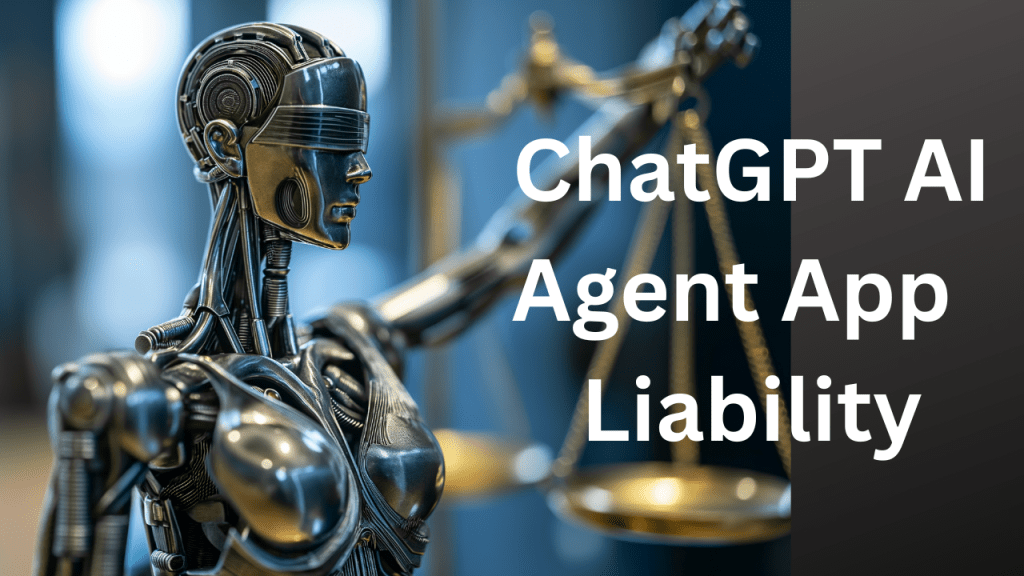
Understanding Risk Management in Legal
Risk management in the legal sector involves identifying, assessing, and mitigating risks that could potentially harm a law firm or an organization’s legal standing. These risks range from data breaches and compliance failures to conflicts of interest, client confidentiality issues, and even professional negligence. Effective risk management ensures that legal practices can function smoothly, avoid costly mistakes, and maintain compliance with ever-changing regulations.
The Role of AI Agents in Legal Risk Management
AI agents in legal are software programs that use artificial intelligence to automate and optimize various legal tasks. These agents can assist with everything from legal research and contract review to compliance monitoring and case prediction. In the context of risk management, AI agents offer several benefits that can help legal professionals navigate the complexities of modern-day law.
One of the most significant advantages of AI agents in legal is their ability to analyze large volumes of data quickly and accurately. This is particularly useful when identifying potential risks in contracts, regulations, or case law. AI agents can comb through vast amounts of legal documents, pinpointing areas that may pose a threat to compliance or legal standing. This helps legal teams identify risks early and take preventive measures before they escalate into larger issues.
AI agents also enhance the speed and efficiency of risk assessment. Rather than relying on manual reviews that can be time-consuming and prone to human error, AI agents can perform real-time assessments of legal risks. For example, they can flag clauses in contracts that may expose a company to legal liabilities or highlight potential conflicts of interest in client engagements. By automating these processes, legal teams can save valuable time and resources, allowing them to focus on more strategic tasks.
Key Applications of AI Agents in Legal Risk Management
1. Contract Analysis and Review
Contracts are a core component of the legal industry, and managing the risks associated with them is critical for any organization. AI agents in legal can streamline the contract review process by analyzing legal documents for risk factors such as ambiguous language, non-compliance with regulations, or unfavorable terms. These AI tools can quickly flag problematic clauses, suggesting revisions to mitigate potential legal risks. This automation not only reduces the time spent on manual contract reviews but also improves the accuracy and thoroughness of risk assessments.
2. Compliance Monitoring
Legal compliance is a key area where risk management and AI agents intersect. With the increasing complexity of regulatory environments, ensuring that an organization remains compliant with laws and regulations is a constant challenge. AI agents can monitor changes in regulations and ensure that legal teams are aware of any updates that may impact their compliance obligations. Moreover, they can provide real-time alerts about non-compliance risks, allowing legal professionals to act quickly and prevent potential violations.
3. Legal Research and Case Prediction
Another area where AI agents in legal are making a significant impact is in legal research and case prediction. By analyzing past case law and legal precedents, AI tools can help legal teams assess the risks associated with specific legal strategies or cases. They can predict the potential outcomes of cases based on historical data, giving legal professionals valuable insights into how to proceed with litigation or dispute resolution. This helps lawyers manage the risks of unfavorable case outcomes and make more informed decisions.
Benefits of Using AI Agents in Legal Risk Management
The introduction of AI agents into legal risk management brings with it a host of benefits, including:
1. Increased Accuracy and Efficiency
AI agents in legal can process and analyze information at a speed and scale far beyond human capabilities. This leads to more accurate risk assessments and faster decision-making, enabling legal teams to respond to risks more effectively.
2. Cost-Effectiveness
By automating labor-intensive tasks such as contract review, compliance monitoring, and legal research, AI agents can help reduce the costs associated with managing risks. This is especially important for law firms and legal departments looking to optimize their budgets while maintaining high levels of accuracy and diligence.
3. Proactive Risk Identification
Traditional risk management approaches are often reactive, addressing risks after they have already emerged. AI agents, on the other hand, can help legal professionals take a proactive approach to risk management by identifying potential issues before they become major problems. This allows organizations to mitigate risks early and avoid costly legal battles or regulatory penalties.
Challenges and Considerations
While AI agents in legal offer numerous benefits, there are also challenges and considerations to keep in mind. One of the main concerns is ensuring that these AI tools are properly integrated into existing legal workflows. Legal professionals must also be cautious of over-reliance on AI agents, ensuring that human oversight and expertise remain central to the decision-making process.
Moreover, there are ethical considerations surrounding the use of AI in legal settings. For example, issues related to bias in AI algorithms, data privacy, and the protection of confidential information must be carefully addressed to ensure that AI agents are used responsibly and ethically.
Conclusion
AI agents in legal are reshaping the landscape of risk management, offering innovative solutions that enhance accuracy, efficiency, and proactive risk identification. By automating tasks such as contract analysis, compliance monitoring, and legal research, AI agents empower legal professionals to manage risks more effectively. However, it is essential to maintain a balance between AI and human expertise to ensure ethical and responsible use of these technologies.
As the legal sector continues to evolve, AI agents will play an increasingly vital role in helping organizations navigate the complexities of risk management, ensuring compliance, and minimizing legal liabilities.
 FinTech blogs
Leave a comment