Introduction to Generative AI in Procurement
Generative AI has emerged as a groundbreaking technology, revolutionizing various sectors, including procurement. The procurement landscape is evolving rapidly, driven by the need for efficiency, cost reduction, and enhanced decision-making capabilities. Generative AI for procurement provides innovative solutions that streamline processes, enhance supplier relationships, and improve overall operational effectiveness. This article explores the applications, benefits, and future potential of generative AI in procurement.
Understanding Generative AI
Generative AI refers to algorithms that can create new content, designs, or data based on existing information. Unlike traditional AI, which focuses on recognizing patterns and making predictions, generative AI can produce original outputs. This technology leverages deep learning and neural networks, enabling it to analyze vast datasets, learn from them, and generate insightful recommendations or solutions.
The Role of Generative AI in Procurement
1. Enhancing Data Analysis and Insights
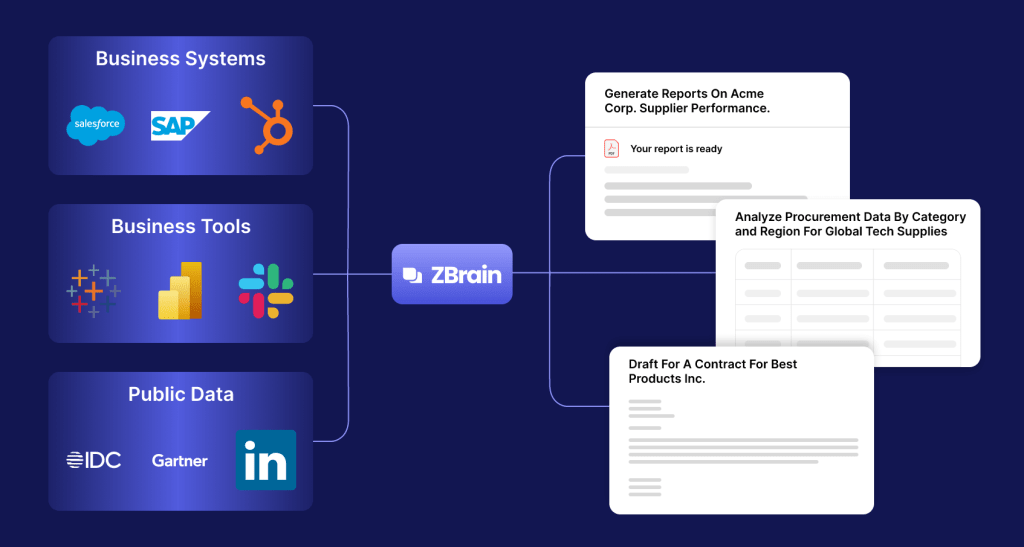
One of the primary advantages of generative AI for procurement is its ability to analyze large volumes of data quickly and accurately. Procurement professionals often deal with extensive datasets, including supplier performance metrics, pricing histories, and market trends. Generative AI tools can sift through this information, identify patterns, and generate insights that inform strategic decision-making.
For instance, generative AI can analyze past purchase data to predict future buying trends, helping procurement teams make informed decisions about inventory management and supplier selection. By providing actionable insights, generative AI empowers procurement professionals to negotiate better contracts and optimize purchasing strategies.
2. Streamlining Supplier Management
Supplier management is a critical component of procurement, and generative AI can significantly enhance this process. By leveraging generative AI for procurement, organizations can improve supplier evaluation and selection. The technology can analyze supplier performance data, assess risk factors, and generate recommendations for optimal supplier partnerships.
Moreover, generative AI can automate supplier communication and onboarding processes. Chatbots powered by generative AI can handle routine inquiries and facilitate smoother communication between procurement teams and suppliers. This not only saves time but also fosters stronger supplier relationships, ultimately leading to better collaboration and improved service delivery.
3. Automating Procurement Processes
Generative AI for procurement enables automation of various procurement processes, reducing manual effort and minimizing errors. Tasks such as purchase order generation, invoice processing, and contract management can be automated using generative AI tools.
For example, generative AI can automatically generate purchase orders based on predefined criteria, ensuring accuracy and consistency. Additionally, it can analyze contract terms and flag any discrepancies or compliance issues. This level of automation frees up procurement professionals to focus on strategic initiatives rather than getting bogged down in administrative tasks.
4. Improving Forecasting and Demand Planning
Accurate forecasting and demand planning are essential for effective procurement. Generative AI can enhance these processes by analyzing historical data, market trends, and external factors that influence demand. By generating predictive models, generative AI helps procurement teams anticipate fluctuations in demand, enabling them to make proactive decisions.
With improved forecasting capabilities, organizations can optimize inventory levels, reduce excess stock, and minimize stockouts. This leads to cost savings and enhances overall operational efficiency. Furthermore, generative AI can continuously learn from new data, refining its predictions and ensuring procurement strategies remain aligned with market dynamics.
Benefits of Generative AI for Procurement
1. Cost Efficiency
Generative AI significantly reduces operational costs by automating tasks, streamlining processes, and improving decision-making. Organizations can save time and resources, allowing procurement teams to allocate their efforts towards more strategic activities.
2. Enhanced Decision-Making
With access to real-time insights and predictive analytics, procurement professionals can make data-driven decisions. Generative AI enables teams to assess supplier performance, negotiate better contracts, and optimize purchasing strategies based on comprehensive analysis.
3. Improved Supplier Relationships
By automating communication and providing data-driven insights, generative AI fosters better relationships with suppliers. Enhanced collaboration leads to improved service delivery and can result in cost savings and better terms for procurement teams.
4. Agility and Adaptability
In a rapidly changing market, organizations must remain agile. Generative AI empowers procurement teams to adapt to shifting market conditions, enabling them to respond effectively to emerging trends and changes in demand.
Challenges and Considerations
While the potential of generative AI for procurement is immense, organizations must consider several challenges. Data privacy and security are paramount, as procurement teams handle sensitive supplier and financial information. Implementing robust security measures and compliance protocols is essential to mitigate these risks.
Additionally, the successful integration of generative AI requires a cultural shift within organizations. Procurement professionals need to embrace new technologies and be open to changing traditional processes. Training and upskilling staff are critical to ensure they can leverage generative AI effectively.
The Future of Generative AI in Procurement
As generative AI technology continues to evolve, its applications in procurement will expand. Future advancements may include more sophisticated predictive analytics, deeper supplier insights, and even greater automation capabilities. Organizations that harness the power of generative AI for procurement will be well-positioned to achieve a competitive advantage in the ever-evolving supply chain landscape.
Conclusion
Generative AI is set to transform the procurement landscape, offering innovative solutions that enhance efficiency, reduce costs, and improve decision-making. By leveraging this technology, procurement teams can streamline processes, foster better supplier relationships, and adapt to market changes with agility. As generative AI continues to advance, organizations must embrace this technology to remain competitive and drive success in their procurement strategies. The future of procurement is undoubtedly intertwined with generative AI, and those who harness its potential will thrive in the dynamic business environment.
 FinTech blogs
Leave a comment